Your Drone Battery Is Secretly Dying Faster
Ask any drone owner what scares them more, a crash or a battery fire, and you’ll get a long pause before an answer. Here’s the uncomfortable part. The battery sitting in your bag right now is probably degrading faster than the spec sheet ever admitted, and most of that damage comes from habits nobody thinks twice about.
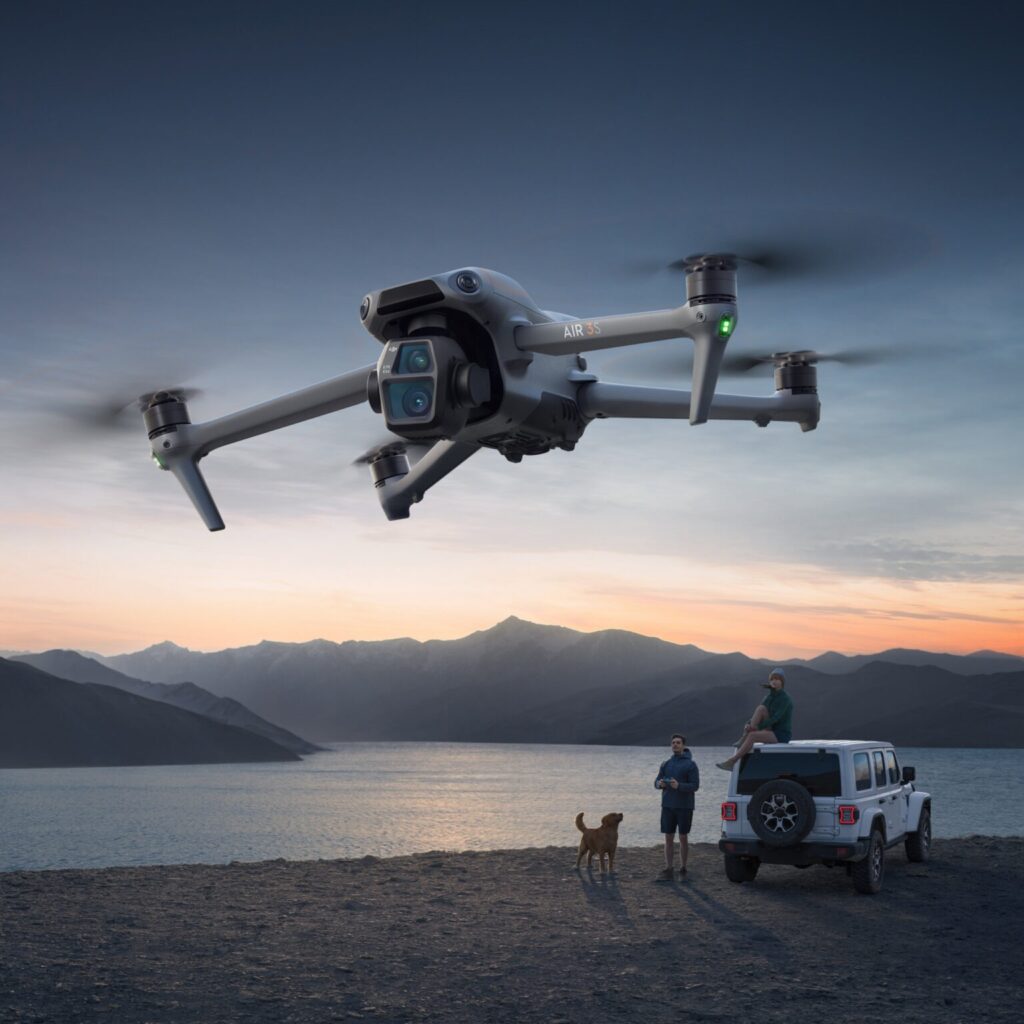
Every lithium polymer battery, whether it’s a Mini 4 Pro pack, an Air 3S intelligent flight battery, or one of the larger TB65 packs that power a Matrice 4T, has a chemical clock built into it. Each charge cycle wears the internal cells down a little, and that wear isn’t linear. It speeds up the moment you push the battery into extreme conditions, and flying in India hands you plenty of those. Summer tarmac heat, cold hill station mornings, back-to-back flights with no cooldown in between- these ordinary moments quietly shave months off a battery’s working life.
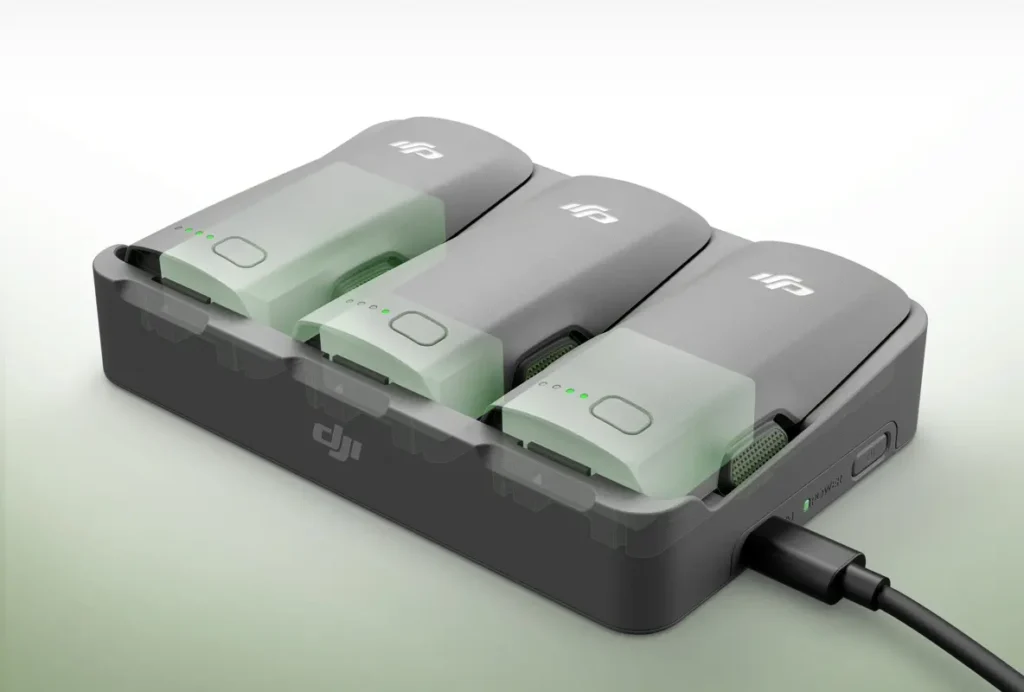
The biggest myth pilots still believe is that charging to 100 percent every time keeps a battery healthiest. It doesn’t. Lithium cells are happiest sitting somewhere between 50 and 70 percent when they’re not being used. Leave a battery at full charge for a few days, especially in a hot car boot or a shut cabinet, and the cells take real stress and lose capacity faster than they should. DJI builds a storage mode into packs like the ones sold with the Mavic 4 Pro and Mavic 3 Pro for exactly this reason, and yet a lot of owners switch it off because they want the pack “ready to go” at a moment’s notice.
Heat is the other quiet killer. A battery that comes straight out of a hot flight, gets tossed in a bag, and goes straight onto a charger is being asked to charge while it’s still warm. That combination builds internal resistance and does long-term damage to the cells. The fix costs nothing: let the battery cool to room temperature before it touches a charger again.

Then there’s the discharge problem nobody talks about. Flying a battery down to 5 or 10 percent regularly, especially in cold weather where voltage sag is a lot more dramatic, pushes individual cells into a state they were never built to recover from easily. One or two low landings won’t ruin a pack. Doing it on every single flight will.
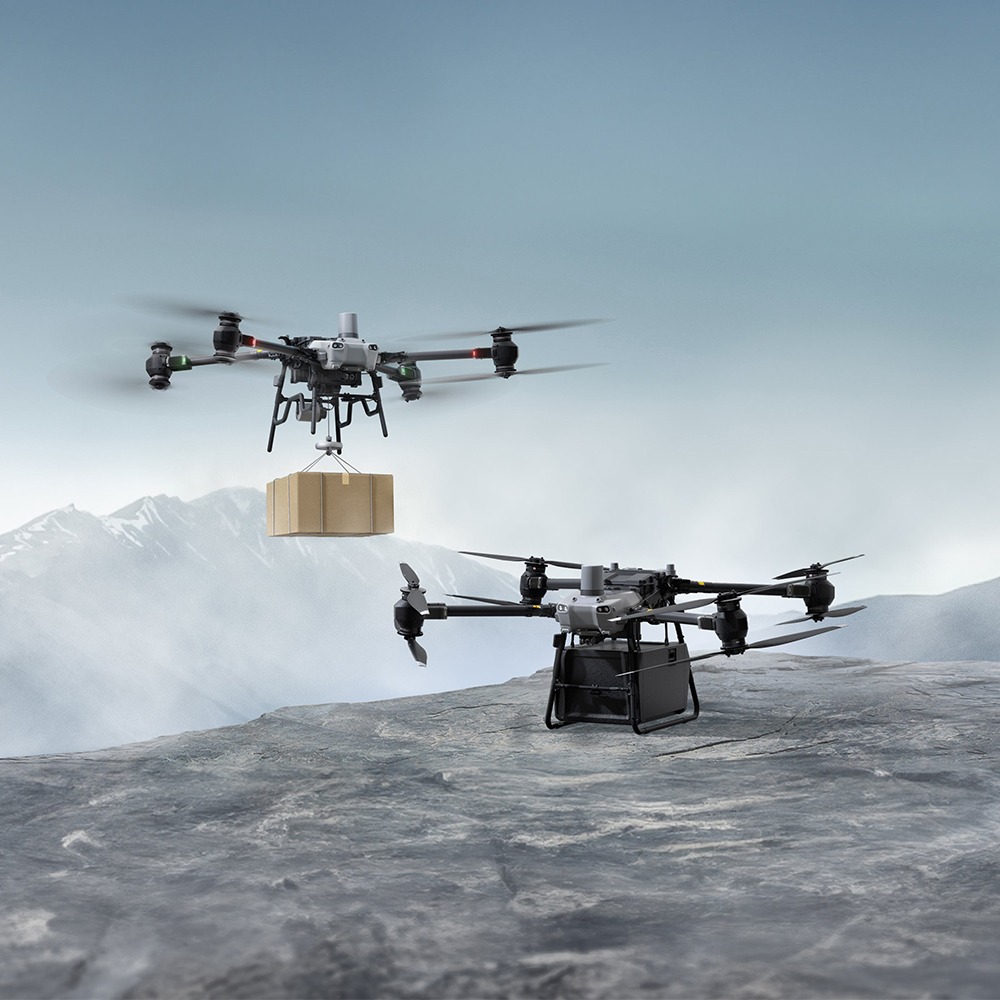
Counterfeit and third-party batteries make all of this worse. Genuine DJI batteries, the kind stocked for every drone in the Dronevex catalog from the Neo and Flip all the way up to the Matrice 350 RTK and FlyCart 30, carry a built-in battery management system that balances cells, tracks cycle counts, and shuts the pack down before things get dangerous. Cheap unbranded batteries sold online often skip this protection entirely, which is exactly why so many battery fire videos online involve packs that were never DJI to begin with.
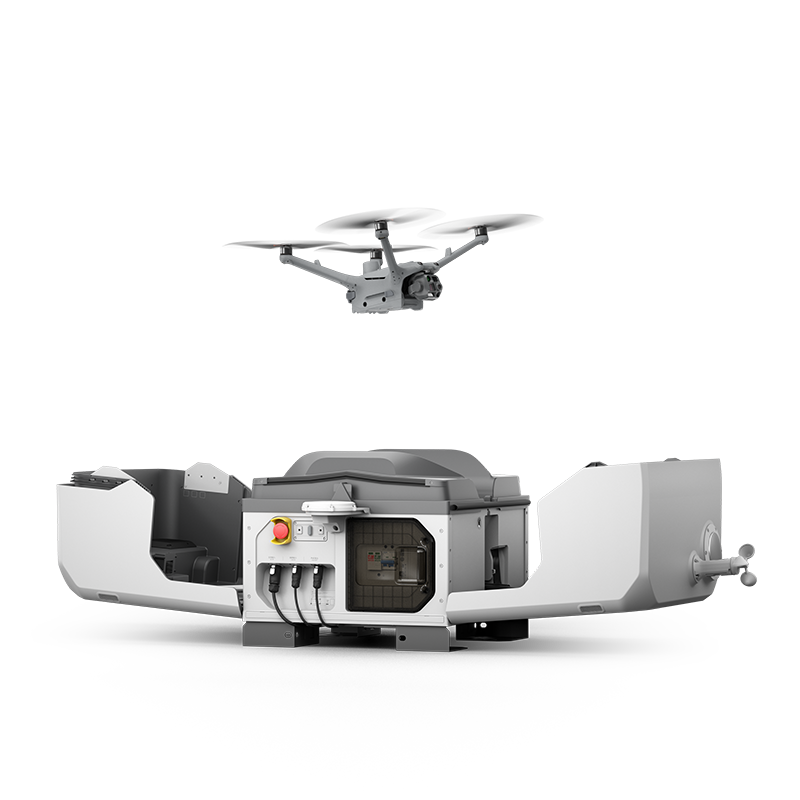
For fleet operators running multiple aircraft on inspection or mapping jobs, a platform like the DJI Dock 3 solves a good chunk of this problem on its own. It manages charge levels automatically, keeps batteries in storage-friendly ranges between missions, and takes the guesswork of manual charging habits out of the picture entirely, which matters a lot once you’re managing a dozen batteries instead of two.
So what should you actually do? Store batteries at 40 to 65 percent for anything longer than a few days. Avoid flying below 20 percent unless there’s genuinely no other option. Let batteries cool before charging. Retire a battery the moment it shows swelling, unusual heat, or a sudden drop in flight time, even if it technically still “works.” And buy from a source that sells genuine cells with traceable battery health data instead of a random listing promising the lowest price on a marketplace app.
A drone is only as reliable as the power source keeping it airborne. Treat the battery like the most expensive, most fragile part of the kit, because on a cost-per-gram basis, it usually is. At Dronevex, every battery sold alongside a drone or listed on the accessories page is genuine DJI stock with proper health tracking built in, a small detail that ends up saving pilots from a very expensive lesson later.