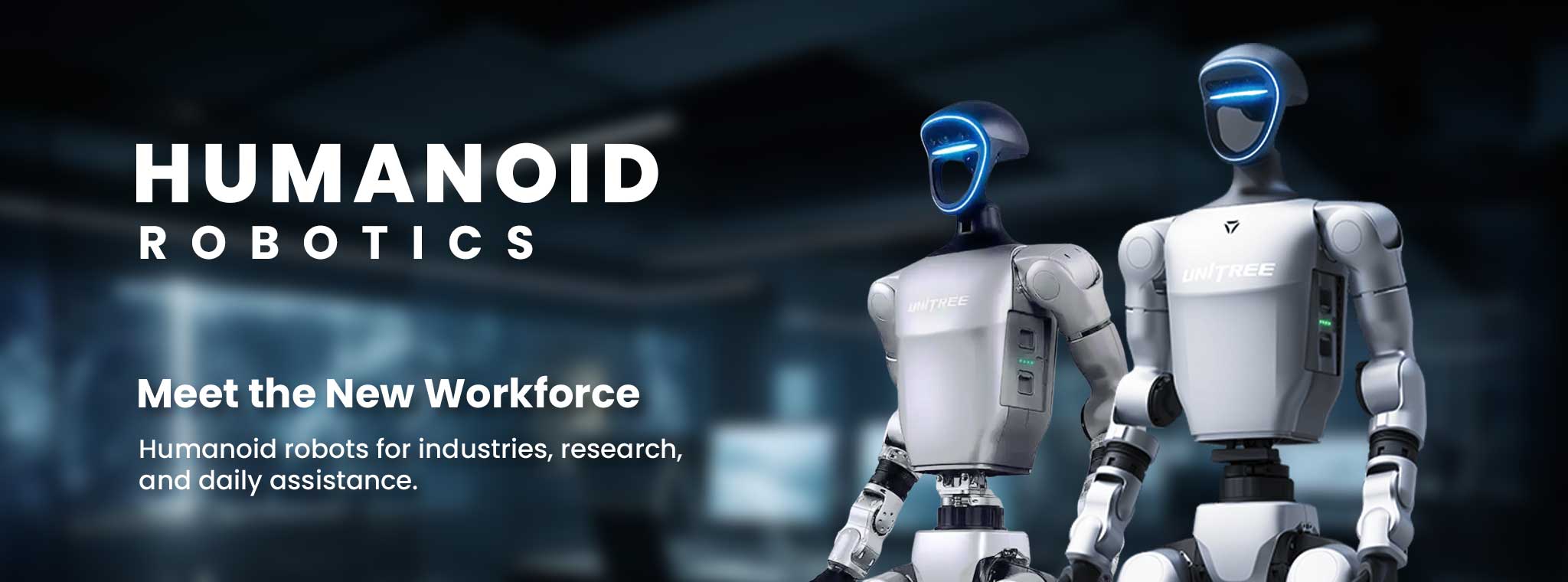
Revolutionizing Industries with Humanoid Intelligence
Powered by Advanced AI and Precision Engineering
CONTACT DRONEVEX NOW!
Looking for the right humanoid robot? Get a quick quote, expert advice, and on-time delivery.
Powered by Advanced AI and Precision Engineering
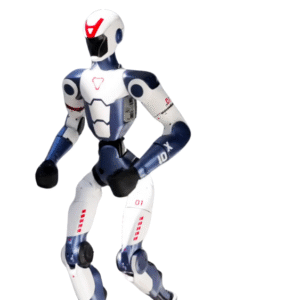
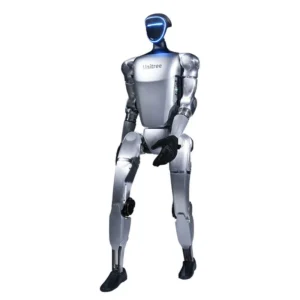
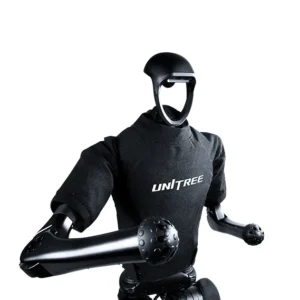
Humanoid robots represent one of the most significant advancements in modern robotics, bringing together artificial intelligence, precision engineering, advanced sensors, and human-inspired design to create machines capable of performing increasingly complex tasks. Designed to resemble the structure and movement of humans, these intelligent robotic systems are transforming industries by improving productivity, enhancing operational efficiency, and supporting people in environments where precision, consistency, and safety are critical. As artificial intelligence continues to evolve, humanoid robots are no longer limited to research laboratories—they are becoming valuable assets across manufacturing, healthcare, education, hospitality, logistics, retail, public services, and industrial automation.
Unlike traditional industrial robots that are built to perform repetitive tasks within fixed environments, humanoid robots are designed to operate in spaces created for humans. Their human-like structure allows them to navigate stairs, walk through hallways, manipulate tools, interact with equipment, and communicate naturally with people. Equipped with advanced actuators, multiple degrees of freedom, computer vision systems, microphones, cameras, force sensors, and AI-powered decision-making capabilities, these robots can observe their surroundings, interpret information, respond to voice commands, and perform tasks with impressive precision. This combination of mobility and intelligence makes humanoid robots highly adaptable to a wide range of real-world applications.
Artificial intelligence serves as the foundation of modern humanoid robotics. Through machine learning, computer vision, natural language processing, and autonomous decision-making, humanoid robots can continuously analyze data from their surroundings and respond intelligently to changing situations. High-resolution cameras help identify people, recognize objects, detect obstacles, and understand environments, while advanced sensors provide real-time feedback for balance, movement, and interaction. Sophisticated algorithms process this information almost instantly, enabling the robot to make informed decisions while carrying out assigned tasks safely and efficiently.
One of the defining characteristics of humanoid robots is their ability to collaborate with humans rather than simply replace manual work. Many modern robotic systems are designed to function as intelligent assistants that complement human capabilities. They can perform repetitive or physically demanding activities while allowing people to focus on more strategic, creative, or customer-focused responsibilities. This collaborative approach improves workplace productivity while enhancing employee safety by reducing exposure to hazardous or physically strenuous tasks.
Industries around the world are rapidly embracing humanoid robotics as part of their digital transformation initiatives. Manufacturing facilities are exploring humanoid robots to support assembly operations, quality inspections, material handling, equipment monitoring, and repetitive production tasks. Their flexibility allows them to work alongside existing production systems without requiring major infrastructure modifications. As factories continue to evolve toward smarter manufacturing environments, humanoid robots are expected to play an increasingly important role in improving operational efficiency and production consistency.
In logistics and warehousing, humanoid robots have the potential to assist with inventory management, sorting operations, picking and packing, transportation of goods, and warehouse inspections. Their ability to move through spaces designed for human workers gives them a distinct advantage in facilities where traditional automation systems may be difficult to implement. Combined with artificial intelligence and advanced navigation technologies, humanoid robots can help organizations optimize workflows while improving speed and accuracy.
The healthcare industry is also witnessing growing interest in humanoid robotics. While these systems are not intended to replace healthcare professionals, they can provide valuable assistance by supporting patient engagement, guiding visitors within hospitals, delivering medical supplies, monitoring routine tasks, and assisting healthcare staff with repetitive administrative or logistical activities. Research institutions continue to explore additional healthcare applications where intelligent robots can improve efficiency while allowing medical professionals to devote more time to direct patient care.
Educational institutions are increasingly incorporating humanoid robots into classrooms, laboratories, and research facilities. These robots provide students with practical exposure to artificial intelligence, robotics engineering, programming, computer vision, machine learning, and human-robot interaction. Universities and research organizations use humanoid platforms to develop new algorithms, study autonomous systems, and explore emerging technologies that will shape the future of robotics. By providing hands-on learning opportunities, humanoid robots help prepare the next generation of engineers, researchers, and technology professionals.
Retail businesses and customer-facing organizations are also beginning to adopt humanoid robots to improve customer engagement. Intelligent robots can greet visitors, provide directions, answer frequently asked questions, assist with product information, and enhance the overall customer experience. Equipped with speech recognition and natural language processing capabilities, they can interact with customers in a conversational manner while supporting human staff during busy periods. Although human interaction remains essential in customer service, humanoid robots can improve operational efficiency by handling routine inquiries and repetitive assistance tasks.
Hospitality is another industry where humanoid robots continue to demonstrate promising potential. Hotels, convention centers, airports, museums, and entertainment venues are exploring robotic assistants that welcome guests, provide navigation support, share information, and assist visitors with common requests. Their interactive capabilities create engaging experiences while helping organizations deliver consistent service across large facilities.
Research and development remain at the heart of humanoid robotics innovation. Every year brings significant improvements in motion control, artificial intelligence, dexterity, energy efficiency, sensor accuracy, and autonomous learning. Researchers continue developing robots capable of adapting to new environments, learning from experience, collaborating more effectively with humans, and performing increasingly sophisticated tasks with minimal supervision. These innovations are gradually expanding the range of practical applications across both commercial and industrial sectors.
Modern humanoid robots also incorporate sophisticated safety mechanisms designed to operate responsibly around people. Force sensors, collision detection systems, advanced motion planning, obstacle avoidance technologies, and intelligent perception systems help ensure safe interaction in shared workspaces. These capabilities are particularly important in collaborative environments where humans and robots work together to achieve common objectives.
At Dronevex, we recognize that humanoid robotics represents the future of intelligent automation. As businesses, educational institutions, and research organizations continue adopting advanced robotic technologies, access to reliable solutions and expert guidance becomes increasingly important. Our goal is to provide customers with innovative humanoid robotic systems that combine advanced engineering, artificial intelligence, and dependable performance for a wide variety of professional and educational applications.
Whether supporting research initiatives, enhancing learning environments, assisting with business operations, or contributing to industrial automation, humanoid robots are redefining what intelligent machines can achieve. Their ability to combine mobility, perception, communication, and decision-making into a single integrated platform positions them among the most exciting technological developments of the modern era. As artificial intelligence continues to evolve, these remarkable systems will play an increasingly important role in shaping the future of work, innovation, and human-robot collaboration.