The Dronevex Catalog Explained
Most people land on a drone retailer’s website looking for one specific model, buy it, and never scroll further. That’s a shame in Dronevex’s case, because the catalog covers a lot more ground than “drones that take nice photos.” There are consumer quadcopters, sure, but also enterprise mapping platforms, agriculture sprayers, underwater ROVs, and a growing lineup of Unitree robots that have nothing to do with flying at all. Here’s a walk through what’s actually on offer and, more usefully, who each category is built for.
Start with the drones people actually buy for fun
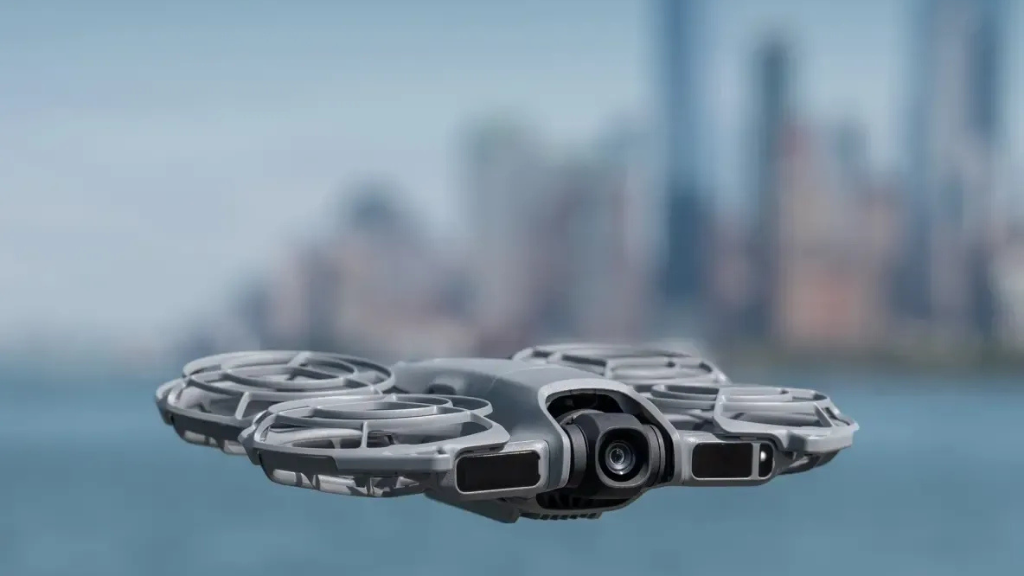
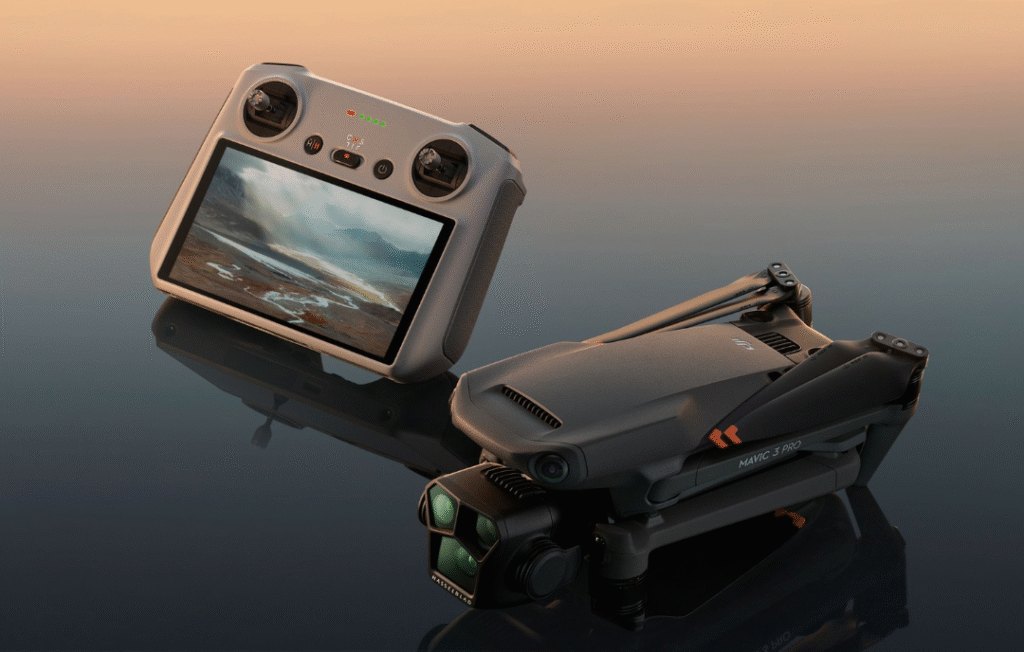
The consumer side is where most first-time buyers land, and it splits into a few clear tiers. The Mini series, things like the Mini 4 Pro and the newer Mini 5 Pro, is built around one idea: staying under the sub-250-gram weight class while still shooting footage that doesn’t look like a compromise. That weight class matters a lot in India specifically, since it keeps a chunk of DGCA paperwork out of the picture for casual flyers. Then there’s the Mavic line, which is where things get serious about image quality. The Mavic 3 Pro and the newer Mavic 4 Pro both carry Hasselblad camera systems, and the 4 Pro in particular pushes flight time past the 45-minute mark with a 20 km range, numbers that were unthinkable in a foldable drone a few years back. The Air 3S sits in between the two, aimed at people who want more than a Mini but don’t need a triple-camera Hasselblad rig.
For anyone chasing a different kind of shot entirely, there’s the Avata 2 and the wider FPV lineup, goggles-on, first-person flying built for tight, fast, cinematic movement rather than the steady wide shots a Mavic is known for. It’s a genuinely different flying experience, and Dronevex sells it as its own category rather than an afterthought bolted onto the consumer page.
Where it gets interesting: enterprise and agriculture
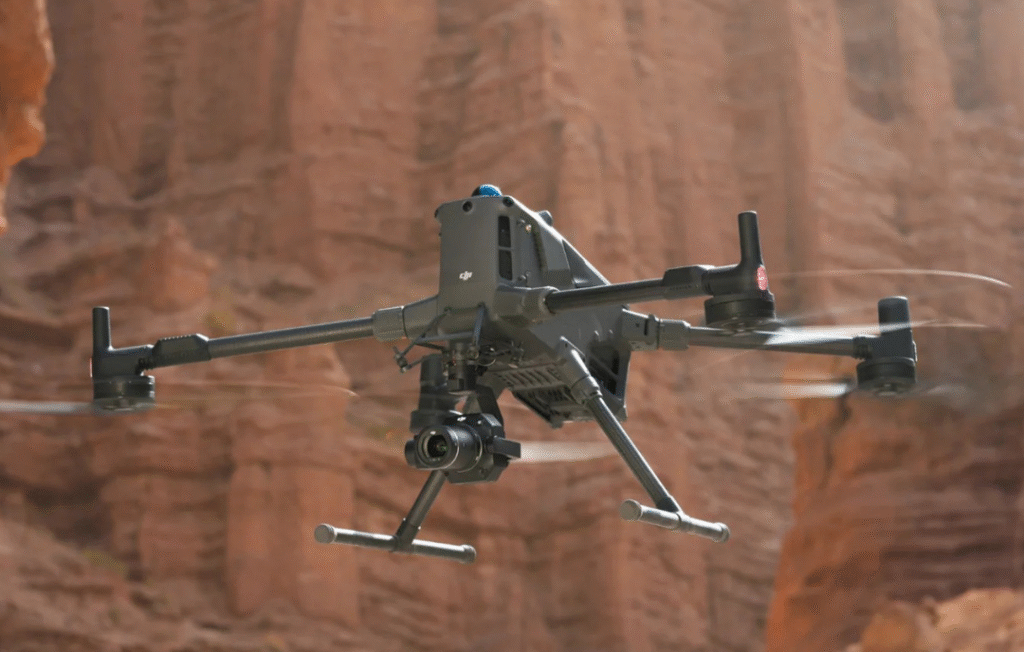
This is the part of the catalog that separates Dronevex from a typical camera-drone reseller. The Matrice line, the 350 RTK, the newer Matrice 4T and 4E, and now the Matrice 400, is built for people who need a drone to do a job rather than take a pretty picture. Thermal imaging for search and rescue, LiDAR for survey work through the Zenmuse L2 payload, RTK positioning accurate down to a couple of centimeters instead of a couple of meters. These aren’t hobbyist toys with a bigger price tag, they’re built around swappable payloads and enterprise software, and that’s exactly why a fire department or a mining survey team would pick one over a consumer Mavic.
Sitting next to the Matrice range is the Mavic 3 Enterprise, a lighter, more portable option for inspection work that doesn’t need the full Matrice payload ecosystem, and the Inspire 3, which leans toward cinema production with 8K capture rather than industrial inspection.
Agriculture gets its own dedicated lane too, and it’s easy to miss if you’re only browsing the drone menu casually. The Mavic 3 Multispectral is built for crop health monitoring, catching stress in plants well before it’s visible to the eye, while the AGRAS T40 is a proper spraying and spreading platform for farms that need to cover real acreage without manual labor. Indian agriculture is leaning into this fast, and it’s one of the categories where the return on investment is easiest to explain to a buyer who isn’t a drone enthusiast at all, just a farmer trying to cut input costs.
Then there's everything that isn't a drone
This is where Dronevex stops looking like a typical drone shop. The underwater lineup, Chasing’s ROVs like the M2 Pro Max, the Dory, and the compact Mini S series, opens up a completely different use case: hull inspection, fishing, underwater research, or just exploring a lake bed without needing a diving certification. These are built to handle depths that would be dangerous or impractical for a person to reach casually, and the camera and lighting setups on the higher-end M2 Pro Max models are good enough for actual inspection documentation, not just novelty footage.
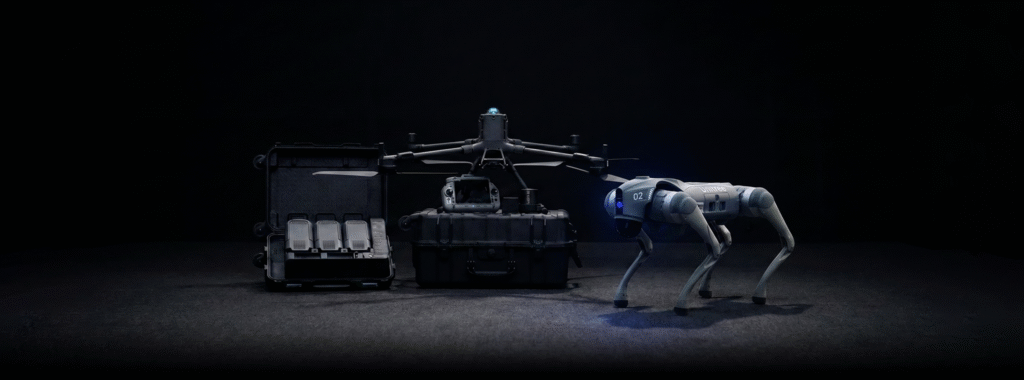
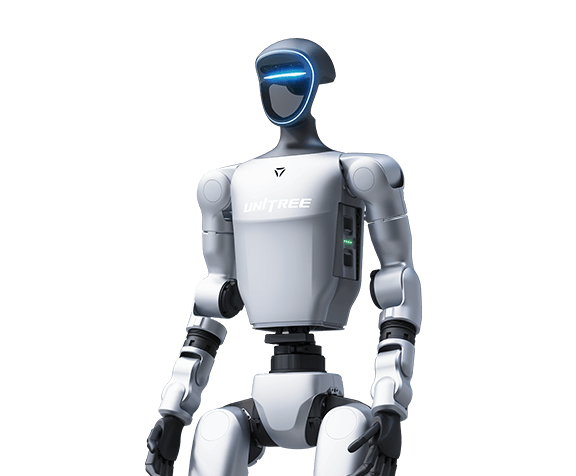
And then there are the robots, which genuinely surprise people who assume Dronevex only sells things that fly. The Unitree Go2 series covers quadruped robots across a wide range, from the entry-level Air variants through the Pro and Edu tiers up to the industrial B2 and B2-W models with 3D LiDAR built in. These get used for site inspection, security patrols, research, and increasingly, just demonstrations for companies wanting to show off what autonomous mobility looks like in person. On top of that sits the humanoid side, the Unitree G1, H1, H2, and R1, robots built for research and service applications rather than warehouse floors just yet, though that’s clearly where the category is heading.
The parts that don't show up in a spec sheet
A drone or a robot is only as good as what happens after the sale, and this is where a lot of retailers fall short. Dronevex runs a dedicated repair service, which matters more than people realize until their gimbal cracks or a prop strike bends a motor shaft mid-project. There’s also a drone-as-a-service option for businesses that need aerial data, mapping, inspection footage, whatever the use case, without wanting to own, maintain, and insure a fleet themselves. And the accessories page rounds it all out: batteries, propellers, ND filter sets, charging hubs, and the DJI Dock 3, which lets an enterprise Matrice sit in the field and launch, land, recharge, and upload its own data with nobody standing there holding a remote.
So which of this is actually relevant to you
If you’re picking your first drone for weekend flights, the Mini or Air series covers almost everyone. If image quality and range matter more than portability, the Mavic 4 Pro or Mavic 3 Pro make more sense. If you’re running a survey, inspection, or public safety operation, the conversation shifts entirely toward the Matrice range paired with the right payload, and probably a Dock 3 if the site gets visited often enough to justify it. Farms looking at real acreage should be looking at the AGRAS T40 and the Mavic 3 Multispectral together, since health monitoring and spraying solve two different halves of the same problem. And if the job involves water, or involves showing off autonomous ground robotics rather than aerial work, that’s a completely separate conversation Dronevex is equally set up to have.
The point of a catalog this wide isn’t to sell everyone everything. It’s that whatever the actual job is, camera work, industrial inspection, crop monitoring, underwater documentation, or ground-based autonomy- there’s a specific product built for it rather than a general-purpose drone stretched to cover a use case it was never designed for. That’s usually the more useful question to start with anyway: not “which drone should I buy,” but “what am I actually trying to get done.”