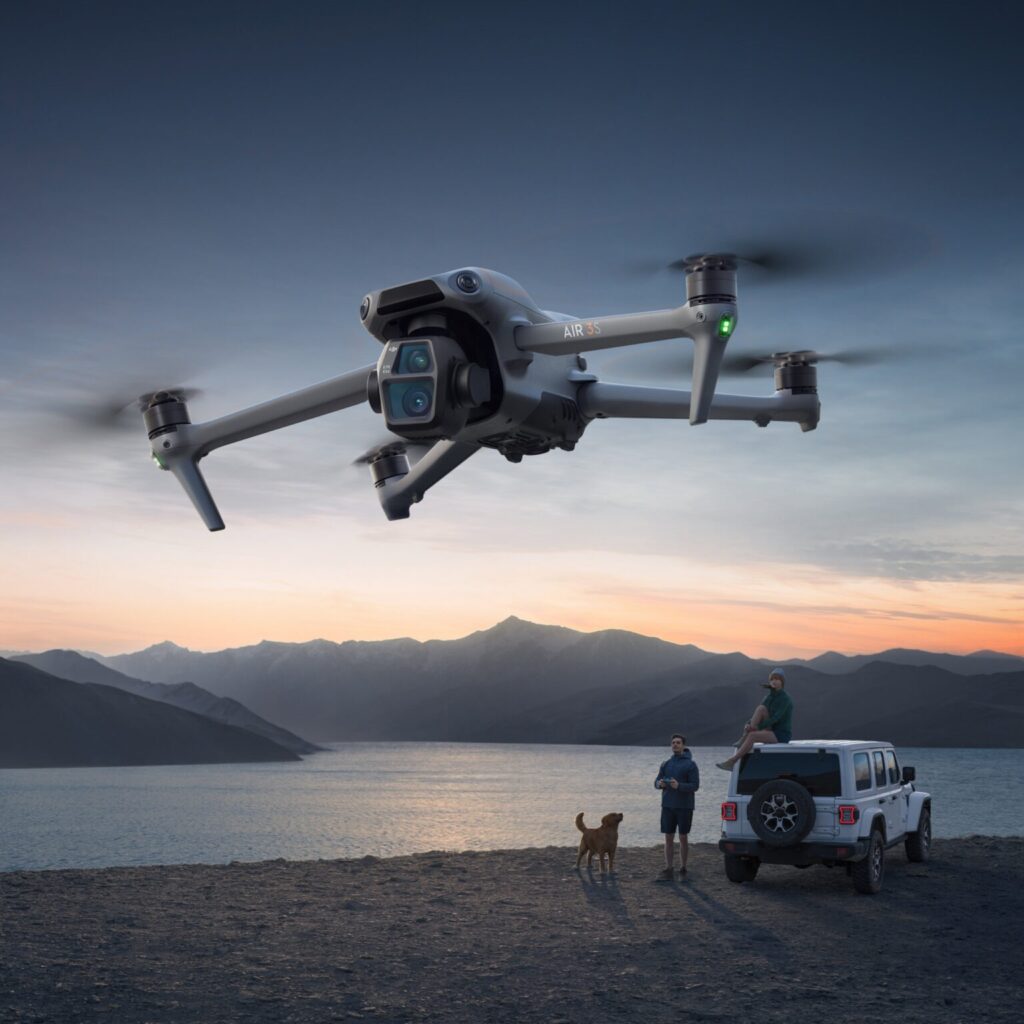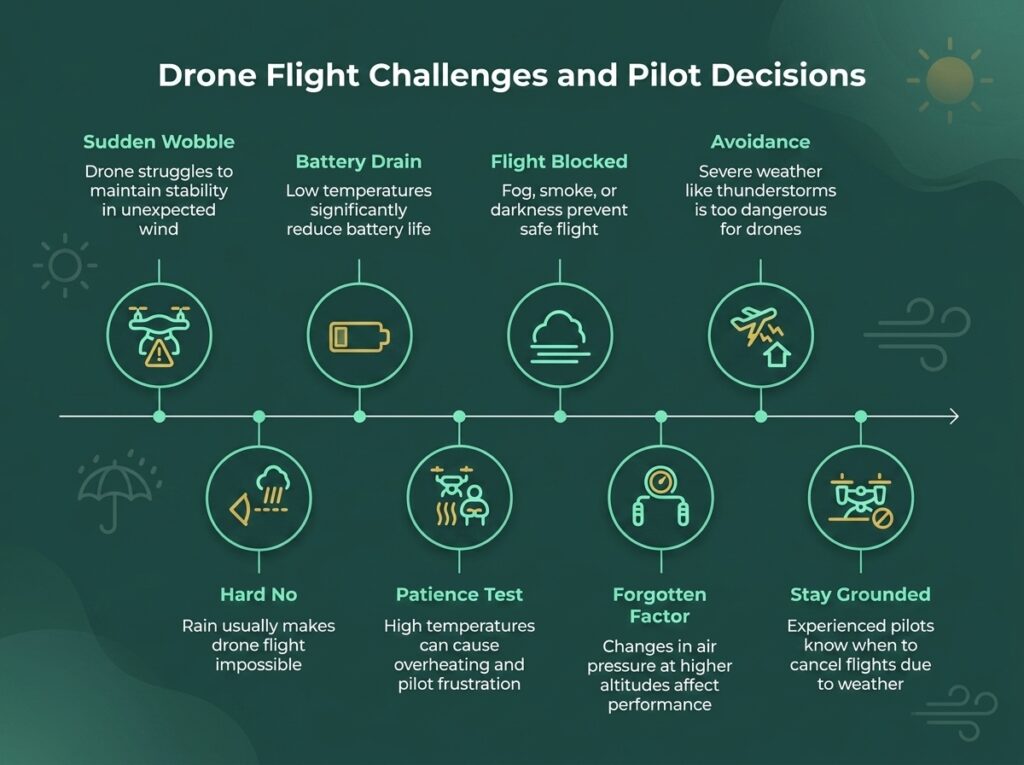
A drone looks like it can handle anything. Carbon fiber arms, four (or six, or eight) powerful motors, sensors pointed in every direction. Tough, right? Then a 15 km/h gust shows up out of nowhere, and suddenly your expensive machine is wobbling like it’s had one too many. Weather is the thing that separates a calm, cinematic flight from a white-knuckle scramble to land before something breaks — and most new pilots don’t really get that until it happens to them. So let’s actually talk about what’s going on up there.
Wind is worse than you think
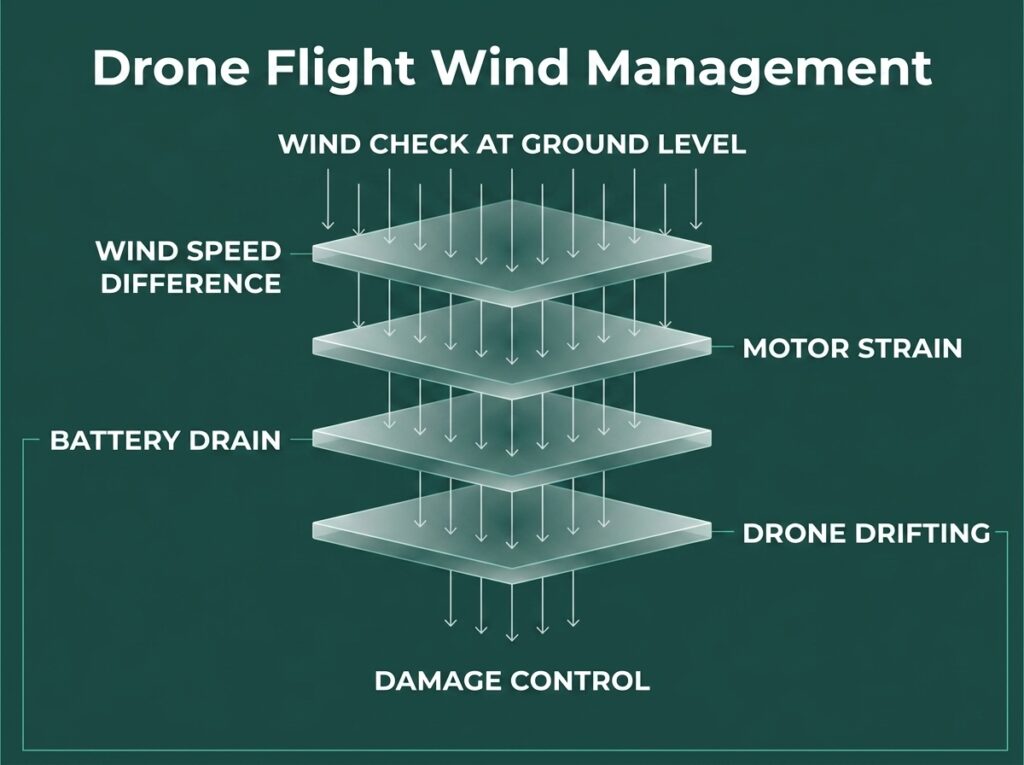
Everyone checks the wind before flying. Fewer people check it at the altitude they’re actually planning to fly at. Wind speed at ground level and wind speed at 150 feet can be two completely different numbers. It’s stronger up there, gustier, less predictable, and your drone’s motors have to fight it constantly just to hold position. That fight eats battery fast. It’s the reason some pilots have watched a perfectly good flight turn into a “why is my drone drifting sideways” panic within seconds. Most consumer drones start to genuinely struggle somewhere around 20-25 km/h. Past that, you’re not flying anymore, you’re managing damage control.
Rain is a hard no (usually)
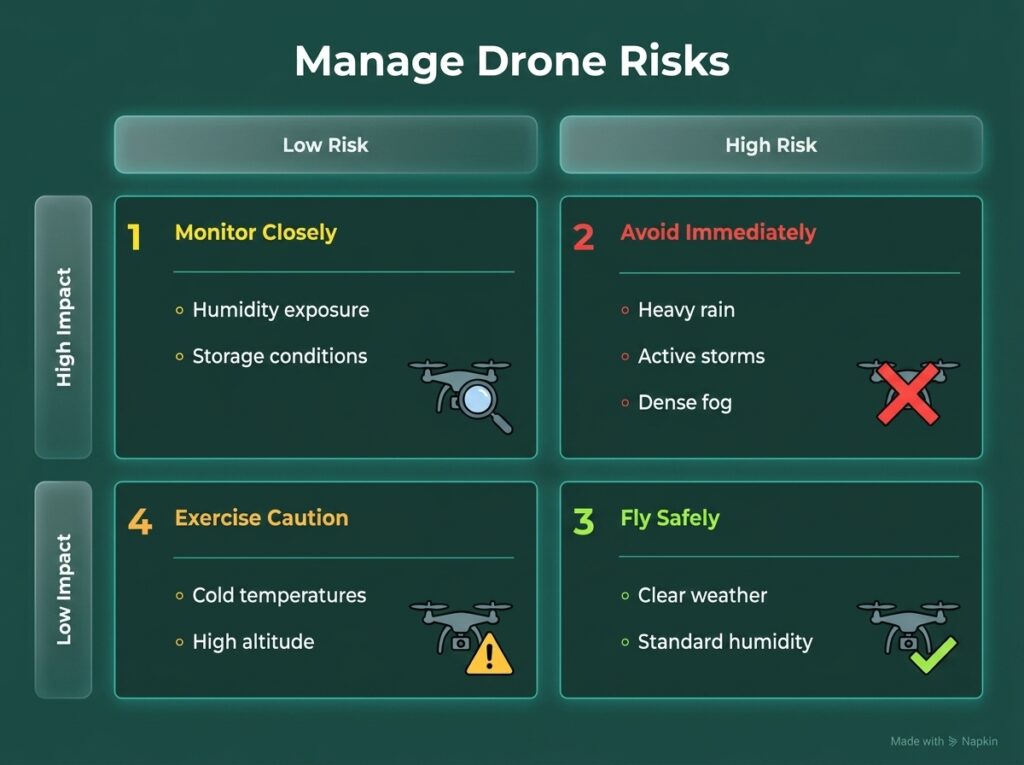
Unless the manual explicitly says your drone is water resistant, don’t. Water finds its way into motors and gimbals faster than you’d expect, and by the time you notice something’s wrong, corrosion or a short circuit has probably already started. Even flying through fog counts here — that fine mist settles on internal components and just sits there.
Humidity is the quiet one nobody thinks about. It won’t crash your drone today, but over weeks and months it chips away at propeller efficiency and metal parts if you’re not drying and storing things properly.
Cold kills batteries. Heat kills patience.
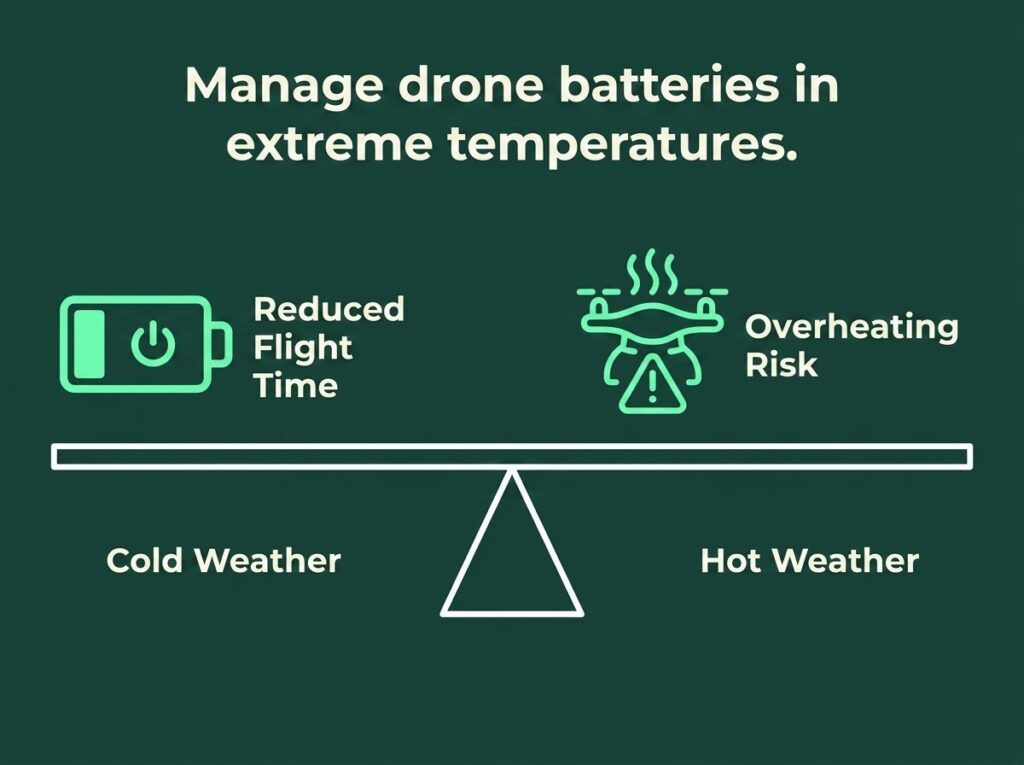
Lithium batteries and cold weather do not get along. Fly in winter and don’t be shocked if a battery reading 50% drops to critical in what feels like minutes — cold temperatures can cut your usable flight time by a third or more, sometimes worse. Pilots get caught off guard by this constantly.
Heat has the opposite problem but similar result. Intense sun and high ambient temperatures push motors and batteries toward overheating, and a lot of drones will just shut themselves down to protect their internals when that happens. Small fix, big difference: keep the drone in shade between flights when it’s hot out.
You can't fly what you can't see
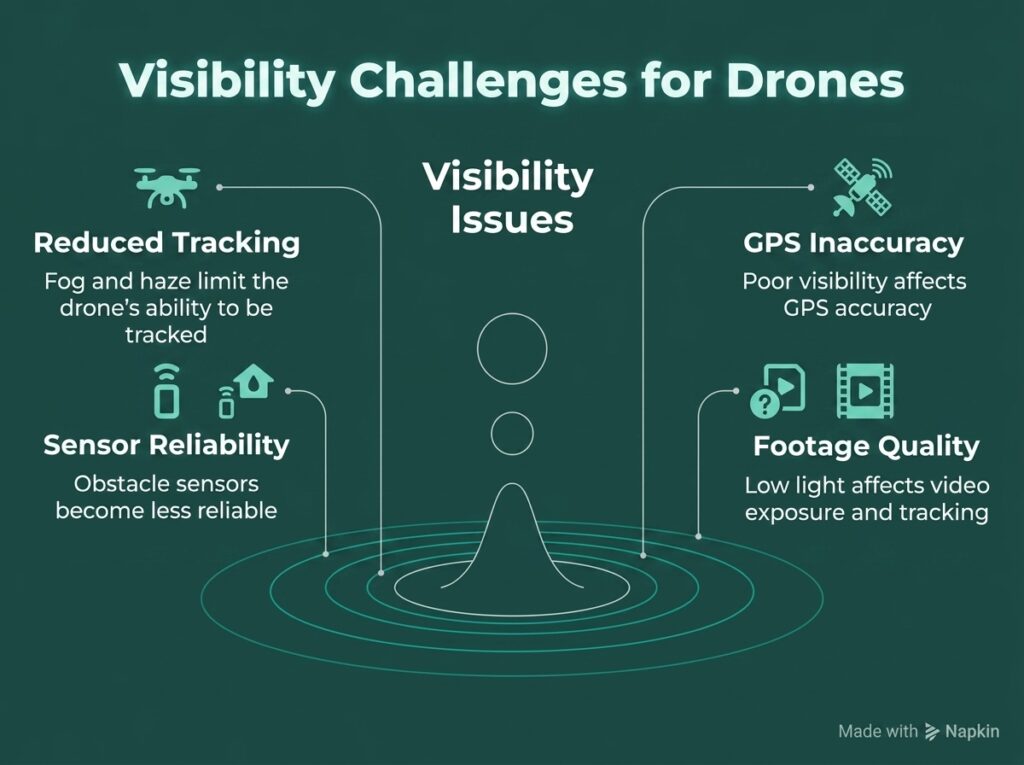
Visual line of sight isn’t just some rule regulators made up to be annoying. It’s genuinely how you catch problems before they become disasters. Fog, haze, smoke haze from wildfires, heavy overcast — all of it shrinks how far you can actually track your drone. And it messes with more than your eyes. GPS accuracy dips, obstacle sensors get less reliable, the whole system starts working with worse information.
There’s also the footage side of things. Shooting at dawn, dusk, or under thick clouds changes your exposure completely, and honestly, low light makes it harder to even keep track of where your drone is in the frame.
Altitude and air pressure
Lithium batteries and cold weather do not get along. Fly in winter and don’t be shocked if a battery reading 50% drops to critical in what feels like minutes — cold temperatures can cut your usable flight time by a third or more, sometimes worse. Pilots get caught off guard by this constantly.
Heat has the opposite problem but similar result. Intense sun and high ambient temperatures push motors and batteries toward overheating, and a lot of drones will just shut themselves down to protect their internals when that happens. Small fix, big difference: keep the drone in shade between flights when it’s hot out.
You can't fly during Storms't
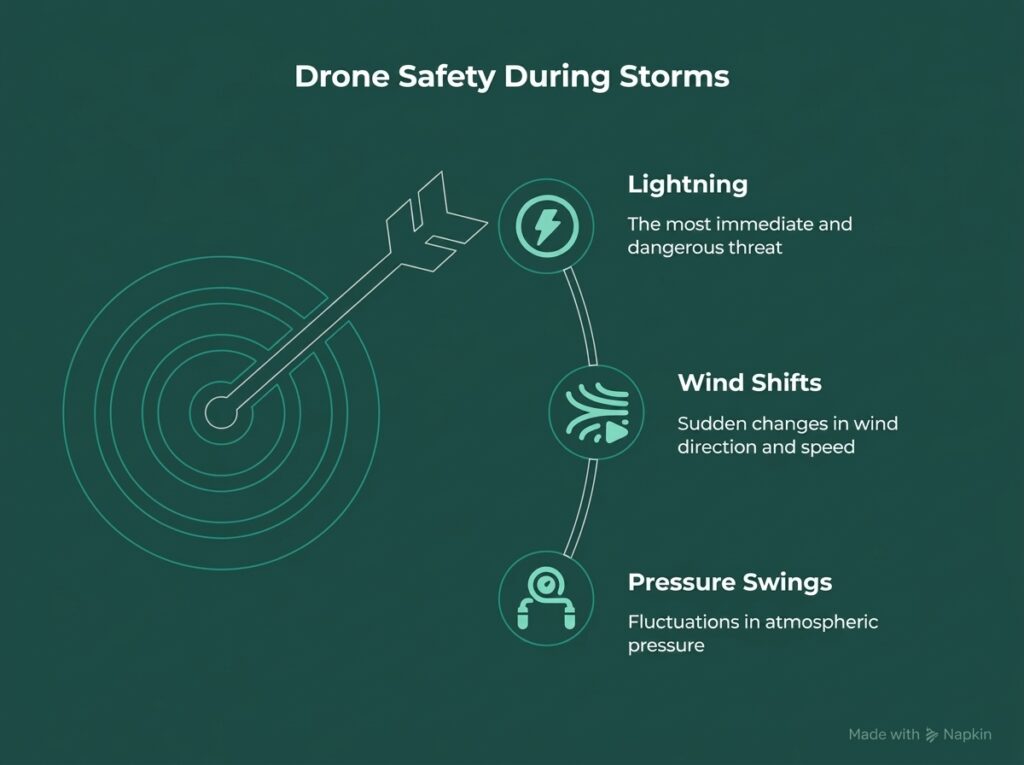
Visual line of sight isn’t just some rule regulators made up to be annoying. It’s genuinely how you catch problems before they become disasters. Fog, haze, smoke haze from wildfires, heavy overcast — all of it shrinks how far you can actually track your drone. And it messes with more than your eyes. GPS accuracy dips, obstacle sensors get less reliable, the whole system starts working with worse information.
There’s also the footage side of things. Shooting at dawn, dusk, or under thick clouds changes your exposure completely, and honestly, low light makes it harder to even keep track of where your drone is in the frame.
The best pilots know when to stay grounded
Flying more often doesn’t make you better. Flying smart does. Check the forecast, actually check the wind at altitude and not just what your weather app says for ground level, respect what cold and heat do to your battery. That’s really most of it. The equipment will take care of itself if you take care of the conditions first.
The weather isn’t going to become predictable anytime soon. But you can be.
Looking for a drone built to handle real-world conditions, or need expert guidance before your next flight? Dronevex offers a wide range of consumer, enterprise, agricultural, and industrial drones backed by professional support and after-sales service.
Contact Dronevex 📞 +91 86453 28452 📧 contact@dronevex.in 🌐 Dronevex
Reach out to Dronevex today and let our team help you choose the right drone and fly with confidence.