Solar farm operators talk about efficiency losses the way hospital administrators talk about readmission rates. It’s the metric that quietly eats into margins long before it ever looks like a crisis. One underperforming panel string might cost almost nothing by itself. But multiply that across a fifty megawatt installation with tens of thousands of panels, and undetected faults quickly become one of the biggest hidden costs in solar operations. This is the story of how a thermal inspection drone changed that math for one mid sized solar installation, and why the numbers behind it point to a trend spreading fast across India’s solar sector.
The problem with Manual Inspections
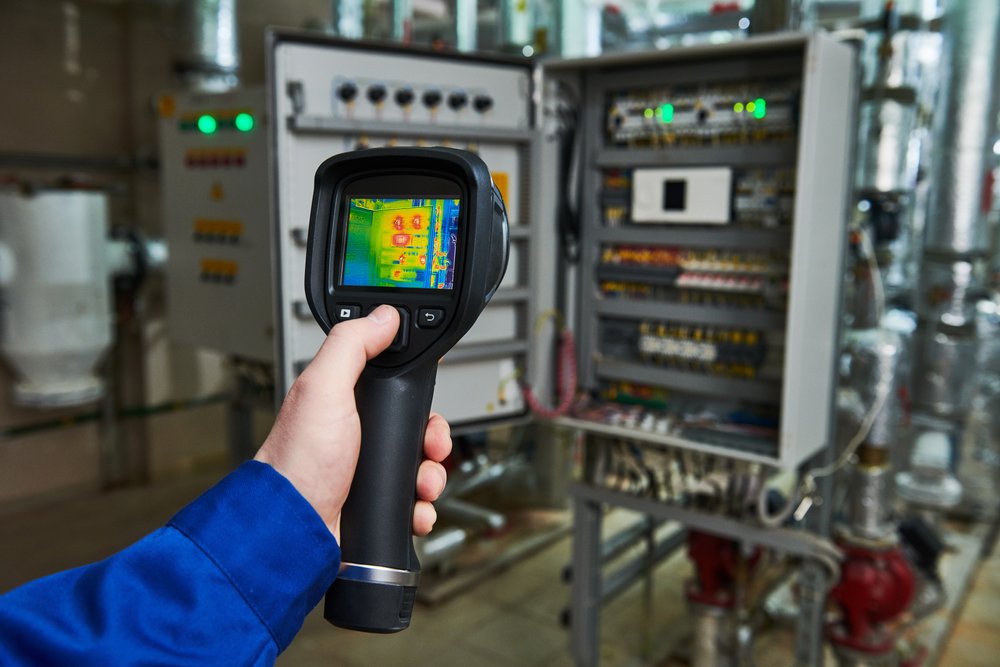
Picture a fifty megawatt solar farm somewhere in Rajasthan or Gujarat, the kind of large ground mounted installation that’s becoming more common as India scales up renewable capacity. Under a manual inspection routine, checking panel health usually means one of two things. Either someone walks the rows with a handheld thermal camera, which is exhausting and slow across tens of thousands of panels, or the team relies purely on electrical output data, which only flags a problem after it’s already been quietly costing money for weeks. This particular facility was running manual spot checks about once a quarter, backed by output monitoring software that could say a string was underperforming, but not why, and definitely not which exact panel was at fault. Figuring that out, whether it was a cracked cell, a loose connection, delamination, or a hotspot from soiling, still meant sending a technician out with a handheld thermal camera to hunt down one faulty panel among thousands that all looked identical. A single fault could sit undiagnosed for weeks, silently draining output the whole time.
What changed with Drone based Thermal Inspections
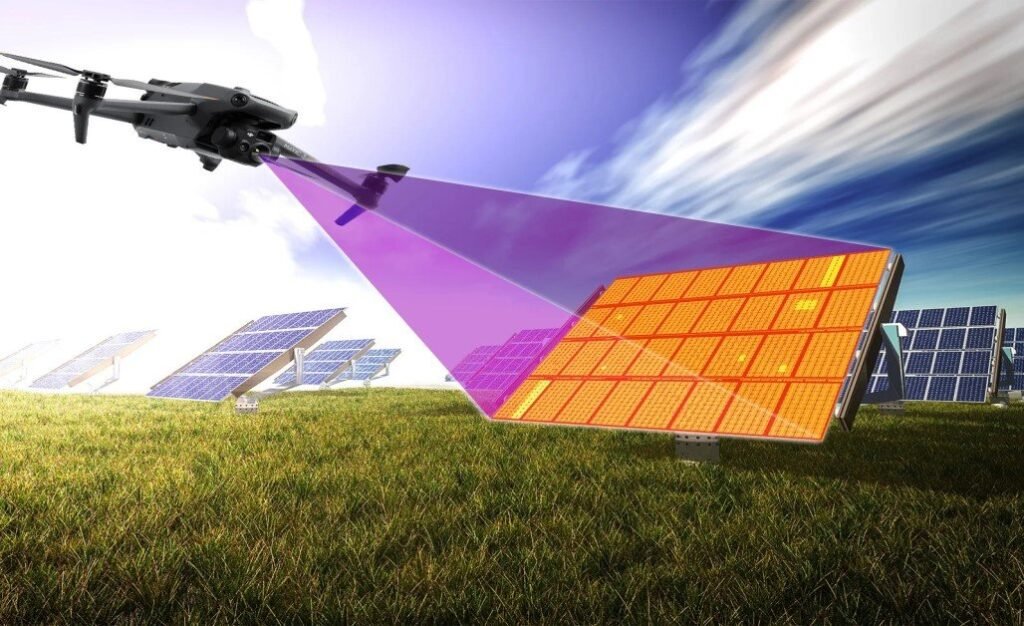
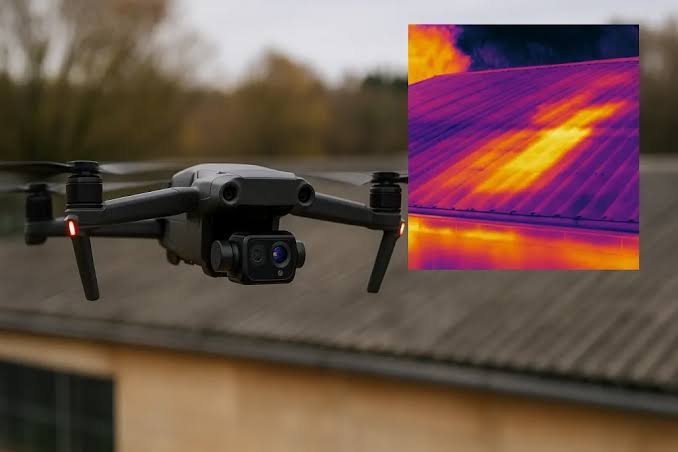
The facility brought in a DJI Matrice 4T, an enterprise drone with an integrated thermal camera, zoom lens, and laser rangefinder built into a single payload. Instead of a technician spending days manually spot-checking a fraction of the site, one automated mission covered the entire installation’s heat signature in a matter of hours.
The thermal imagery immediately surfaced a category of fault that output monitoring had been missing almost entirely: localized hotspots on individual cells. These don’t always show up at the string level, because one hot cell doesn’t necessarily tank an entire string’s numbers enough to trip an alert. But it’s still real, measurable energy loss, and in worse cases, a genuine fire risk if nobody catches it. The first full site survey turned up dozens of panels with thermal anomalies, ranging from minor soiling related hotspots to serious cell level defects needing replacement. None of it had been flagged by the existing monitoring setup.
Turning Thermal Data into a Repair Plan
What made the drone survey valuable wasn’t just that it found problems. It was how precisely it found them. Instead of a technician wandering a general area where the output data hinted something might be wrong, the thermal imagery pointed straight to the exact panel, row, and position. That cut technician time on each repair dramatically. A job that used to be a half-day search followed by a short fix became a short, targeted repair with almost no searching involved.
That precision adds up fast. Shave even a modest amount of time off each repair, multiply it across dozens of identified faults, and the labor hours recovered add up to a meaningful drop in maintenance cost within the very first inspection cycle, before you even factor in the energy that was recovered by catching faults early.
Why this is becoming standard practice, not a novelty
What makes this story typical rather than exceptional is that the math holds up across most utility scale solar installations, not just the one described here. Manual inspection scales linearly with facility size, so a bigger farm needs proportionally more technician hours just to keep the same inspection frequency. Drone based thermal inspection scales far better. A single drone and pilot can cover dramatically more panel area per hour than someone walking the rows, and surveying a larger site barely costs more than surveying a smaller one.
That’s why thermal drone inspection has moved so quickly from an experimental add on to a standard line item in solar O&M budgets across India’s growing renewable sector. The installations adopting it fastest tend to share a few traits. Large panel counts where manual inspection scales poorly. Remote locations where sending technicians out repeatedly gets expensive and slow. And operations teams under pressure to hit strict performance guarantees tied to power purchase agreements, where even small efficiency losses carry real financial penalties.
What operators should actually look for
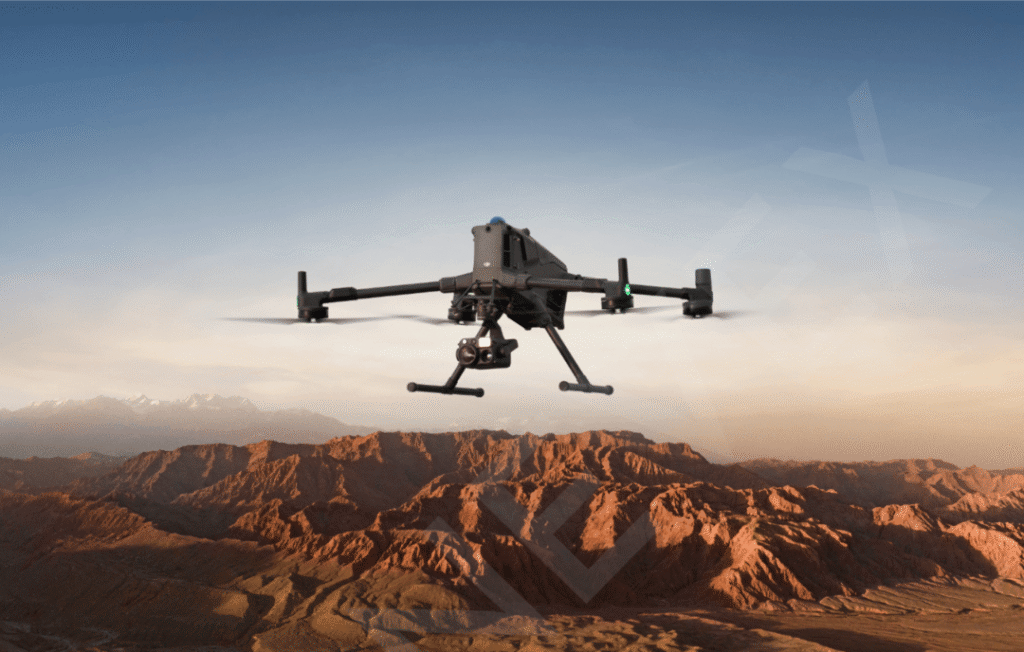
Not every thermal inspection program pays back at the same speed, and the difference usually comes down to a few practical factors. Inspection frequency matters a lot. A single annual survey catches far less value than quarterly or even monthly flights, since faults build up and compound between inspections. Payload quality matters just as much. A lower resolution thermal sensor can easily miss smaller cell-level anomalies that something like the Zenmuse H20T or H30T on a DJI Matrice 350 RTK would catch clearly, which is why larger installations often pair the 350 RTK with a dedicated thermal payload rather than relying on a single integrated unit. And integration with existing monitoring software matters too, for turning raw thermal data into an actual repair workflow instead of letting flagged anomalies sit in a report nobody acts on for weeks.
For solar operators still leaning mainly on manual inspection or output monitoring alone, drone-based thermal inspection isn’t really a forward-looking bet on emerging technology anymore. It’s closer to a straightforward operational upgrade with a payback period most finance teams would sign off on without much debate. Dronevex works with solar operators across India to deploy enterprise thermal drone solutions, including the DJI Matrice 4T and DJI Matrice 350 RTK with Zenmuse thermal payloads, built specifically for this kind of inspection work. From choosing the right equipment through to setting up a repeatable inspection workflow, the goal is a system that keeps paying for itself long after the initial investment is recovered.