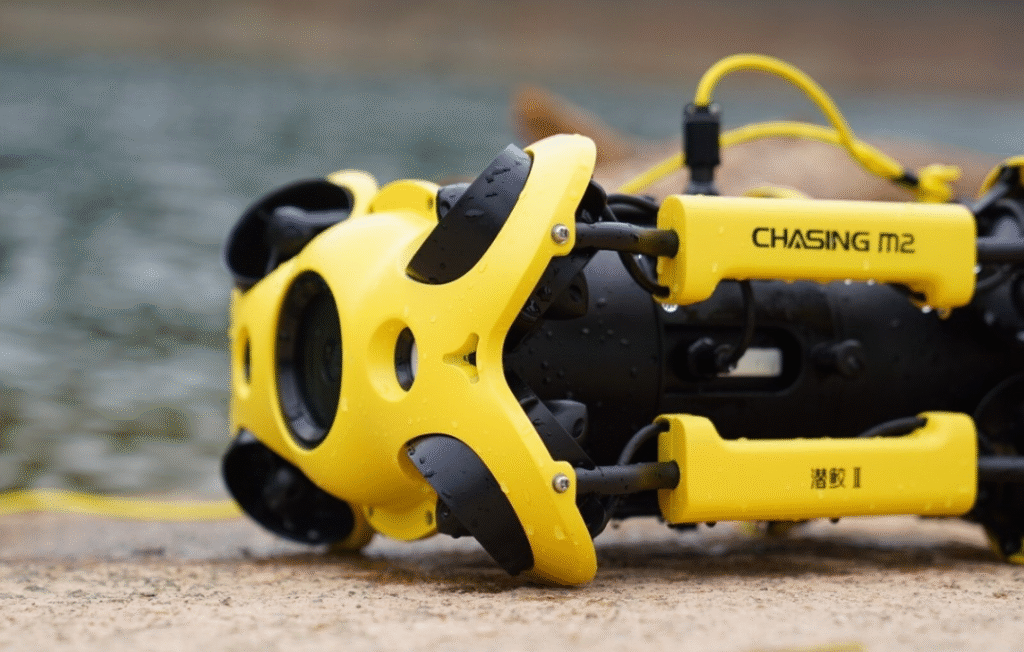
Underwater Drone Price in India: What You're Actually Paying For
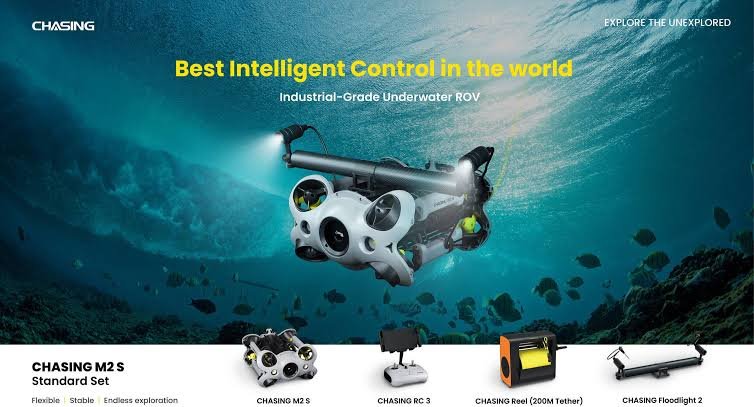
Someone asked me last week what an underwater drone actually costs, expecting a straight number. I couldn’t give them one not because I was dodging it, but because the underwater drone price in India swings so much depending on what the machine is built to do that a single figure would be misleading.
Ask around and you’ll get wildly different quotes for what sounds like the same product. That’s not suppliers being cagey; depth rating, camera performance, and tether length change the equation completely. This guide breaks down what’s driving those numbers, where these drones get used, and what to think about before buying one.
So What Is an Underwater Drone, Really?
Strip away the marketing language and an underwater drone (also called an underwater ROV) is basically a small robot you send into water while staying on dry land with a controller. A tether connects the two, keeping the drone linked physically and streaming live video back to you.
Regular aerial drones would be useless underwater pressure, murk, and current would tear through anything not built for the job. A decent underwater drone in India usually ships with a camera, LED lights, a depth sensor, and often stabilization so your footage isn’t a blur
What Actually Drives the Underwater Drone Price
There isn’t one price, there’s a range and that range exists because these drones aren’t all built for the same job.
How Deep It Can Go
The Camera
This is almost always the first thing people ask about. A pool-check unit is a different animal from one built for offshore work or deep dam walls. Push the depth requirement up and you’re paying for tougher housing, better seals, and sturdier engineering.
Resolution matters, but how the camera handles murky, low-light water matters more. An underwater inspection drone meant to spot corrosion or a hairline crack needs optics that hold up in poor visibility and that costs more.
Tether Length
Navigation and Stabilization
Think of the tether as your lifeline, your connection to the drone and your signal. A longer one covers more ground, which matters for marine inspection across a big reservoir or busy port. It also adds cost, since longer tethers aren’t cheap to manufacture well.
Budget models mostly hand control to you and expect decent piloting skill. Higher-end ROVs help out with depth-hold, auto-stabilization, and positioning assistance, a bigger difference than people expect, especially the moment any current pulls at the drone.
Where People Actually Use These Things
Ship and Hull Inspection
Dams, Bridges, and Other Infrastructure
Crews use an underwater drone for ship inspection to check hulls, propellers, and rudders without pulling divers in or docking a vessel needlessly. It won’t replace a full inspection every time, but it flags problems early enough to know where to look closer.
Try inspecting a submerged dam wall or bridge pier by hand; slow, expensive, not exactly safe. An underwater inspection drone handles this more systematically, recording footage engineers can review later without anyone getting wet.
Aquaculture and Fish Farms
Search and Recovery
Fish farm teams use these drones to check nets, cages, and mooring lines unglamorous work, but it saves real time versus sending someone in for routine checks that come up constantly.
When something’s gone missing underwater and visibility is bad, a drone with strong lighting covers ground more methodically than a diver feeling around blind.
Where CHASING Fits Into All This
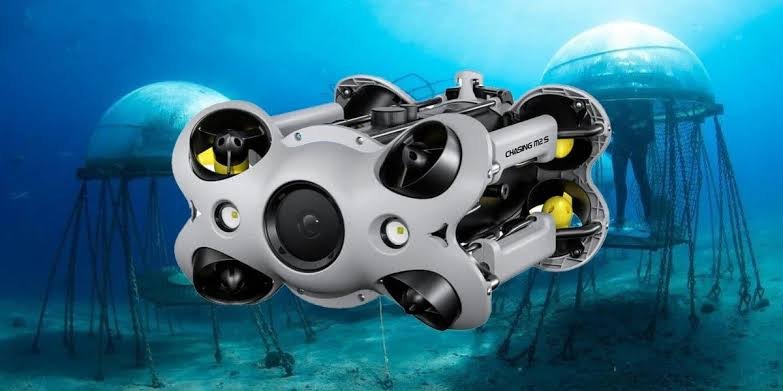
CHASING comes up a lot once people start comparing models; a familiar name spanning everything from casual exploration units to genuinely capable professional underwater drone builds. A CHASING underwater drone can mean very different things depending on the model, so figure out which tier you need before comparing prices.
Rather than anchoring on price, look at depth capability, camera resolution, tether length, battery life, lighting, and what accessories ship with it or can be added later.
How Do You Actually Choose One?
A few questions worth sitting with before you buy:
- How deep will you realistically operate not the marketing number, the real one?
- What’s the job? Hull checks, aquaculture, research, and casual exploration pull in different directions.
- Do you need footage good enough to document and share, or just clear enough to spot a problem?
- How far will you need to run the tether from the surface?
- Is the water murky? If yes, don’t cheap out on lighting.
- Will you need extras later a robotic arm, positioning sensors, and so on?
Underwater Drone or Just Send a Diver?
An underwater drone for inspection earns its keep as a fast, safe first look, particularly in cold, deep, or low-visibility conditions where you’d rather not send a person in unless needed. That said, it isn’t a full replacement for divers. Repairs, hands-on assessments, and some regulatory inspections still call for a trained diver physically there. Treat the drone as your first pass useful for deciding whether you even need the diver, not for skipping them.
Is a Professional Underwater Drone Worth It?
For anyone doing inspections regularly, a professional underwater drone tends to pay for itself fewer unnecessary dive call-outs, quicker assessments, a video record you can revisit later instead of relying on memory. It won’t eliminate the need for divers, but it cuts down how often you need one.
Talk to Dronevex Before You Decide
The lowest underwater drone price isn’t the point the right fit is. If you’re weighing options for inspection, research, or marine monitoring, Dronevex can walk you through underwater drone and ROV solutions built around what you actually need. Reach out and talk through your requirements before deciding.
Frequently Asked Questions
What is the underwater drone price in India?
No fixed figure, it comes down to the model, depth rating, camera, tether length, and whatever accessories you add.
How much does an underwater drone cost in India?
Basic exploration units cost far less than professional-grade ROVs built for industrial or marine inspection. Figure out your use case first, then match the budget to it.
Which is the best underwater drone in India?
here isn’t a single “best” , it depends on what you need it for. Compare depth, camera performance, tether length, and stabilization against your own requirements rather than a generic ranking.
What is an underwater ROV?
A tethered, remotely controlled underwater vehicle usually fitted with a camera, lights, and sometimes sensors piloted from the surface.
Are underwater drones useful for ship inspection?
Yes. An underwater drone for ship inspection gives you a live view of hulls and propellers, helping you decide whether a full diver-led inspection is necessary.
Are CHASING underwater drones suitable for professional applications?
Certain models are, depending on the depth rating, camera, and accessories on offer. Match the model to the environment rather than assuming the brand alone guarantees a fit.