Finding the Right DJI Drone with Dronevex
Drones have moved well past being a niche gadget for hobbyist photographers. Today they’re doing real work in construction, agriculture, surveying, industrial inspection, and enterprise operations, which means picking one is no longer just a matter of grabbing whatever model is newest.
DJI alone makes drones for a huge range of jobs. A pocket-sized quadcopter that’s perfect for a weekend trip has almost nothing in common, functionally, with an enterprise platform built for thermal inspections or mapping a construction site. The real question isn’t which DJI drone is best, but which one fits what you’re actually trying to do.
This guide walks through the main DJI models Dronevex works with and where each one earns its keep.
Why the Right Fit Matters
Every DJI drone is designed with a specific kind of user in mind. A content creator cares about camera quality, portability, and intelligent flight modes. A surveyor cares more about positioning accuracy and how efficiently a drone covers ground. Someone doing infrastructure inspection might need thermal sensors above anything else, while an agricultural operation is thinking about payload capacity and spray coverage.
Before you land on a model, it’s worth thinking through:
- What will you actually be using it for?
- What camera or sensor package do you need?
- How much flight time matters to your workflow?
- Do you need mapping or surveying features?
- Is thermal imaging a requirement?
- What environment will it be flying in?
- Do you need to attach specialised payloads?
- How much support will you need getting set up?
Once those answers are clear, narrowing down a DJI model gets a lot simpler.
DJI Mini 5 Pro — Travel, Everyday Content, and Getting Started
DJI Mavic 3 Enterprise — Surveying, Mapping, and Professional Fieldwork
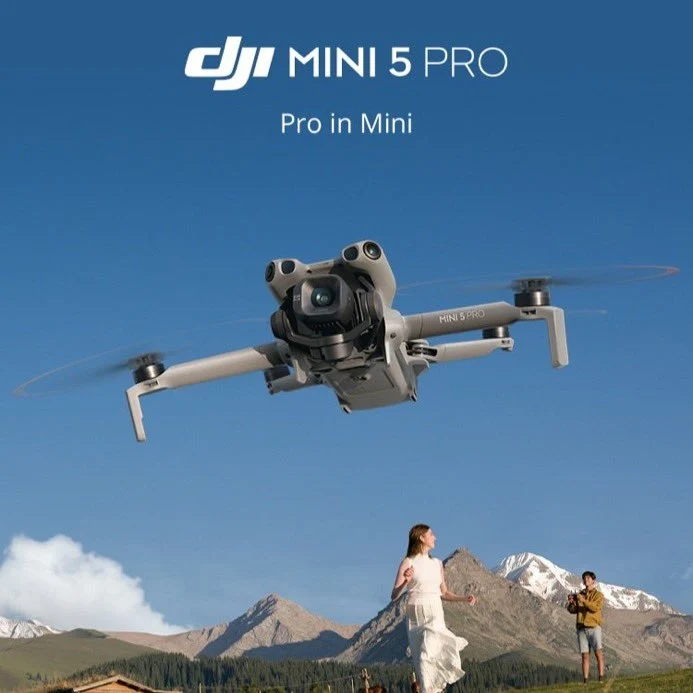
If portability is what matters most, the DJI Mini 5 Pro is the obvious starting point. It’s built for people who want good aerial footage without hauling around a bulky setup — travellers, hobbyists, and photographers who’d rather pack light. It still delivers the imaging quality and flight intelligence of a more serious drone, just in a much smaller shell, which makes it a good fit for travel photography, social content, and anyone picking up their first proper drone.
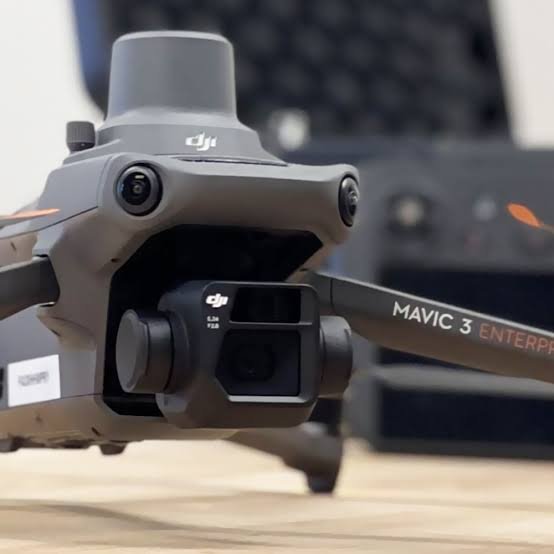
Once the job shifts from photography to data collection, enterprise drones come into play. The Mavic 3 Enterprise is built for surveying, mapping, and inspection work, and its compact size means teams can add enterprise-grade capability without deploying a much larger platform. It’s a sensible entry point for businesses starting to fold drones into land surveys, construction sites, mining operations, or general infrastructure inspection.
DJI Mavic 4 Pro — Professional Photography and Video
DJI Matrice 4E — Advanced Surveying and Mapping
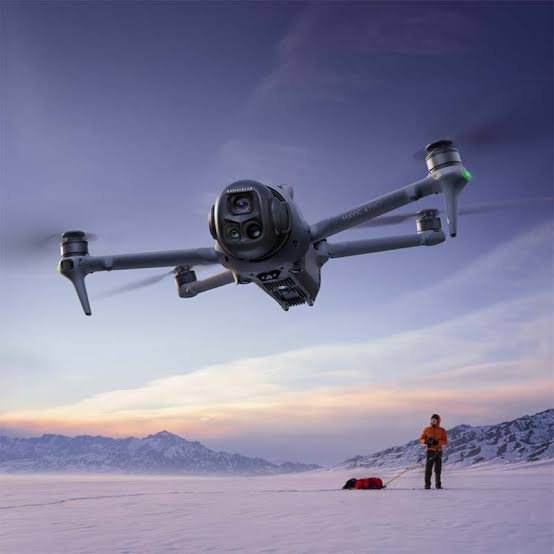
Step up from casual content and you’re in Mavic 4 Pro territory. This is DJI’s answer for creators who need professional-grade image quality but still want a foldable, travel-friendly form factor. Filmmakers, real estate photographers, and commercial studios tend to gravitate here, since it balances output quality with practicality on set or on location.
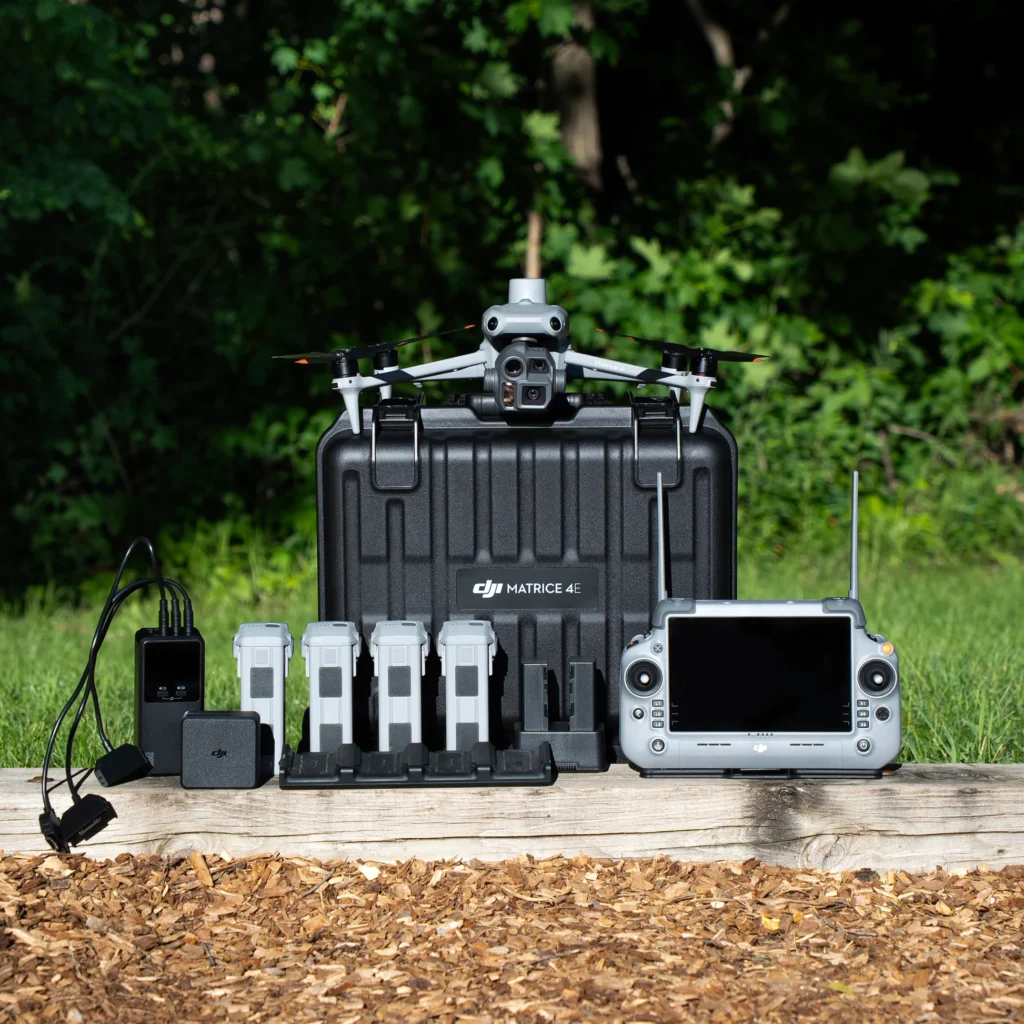
For operations where the Mavic 3 Enterprise isn’t quite enough — larger sites, tighter accuracy requirements, more demanding geospatial work — the Matrice 4E is the next step up. It’s purpose-built around professional mapping workflows and handles large-scale data collection that consumer-grade drones aren’t designed for, making it a fit for construction, mining, and infrastructure projects that depend on precise aerial data.
DJI Matrice 4T — Thermal Imaging and Inspection
DJI Matrice 400 — Large-Scale Enterprise Operations
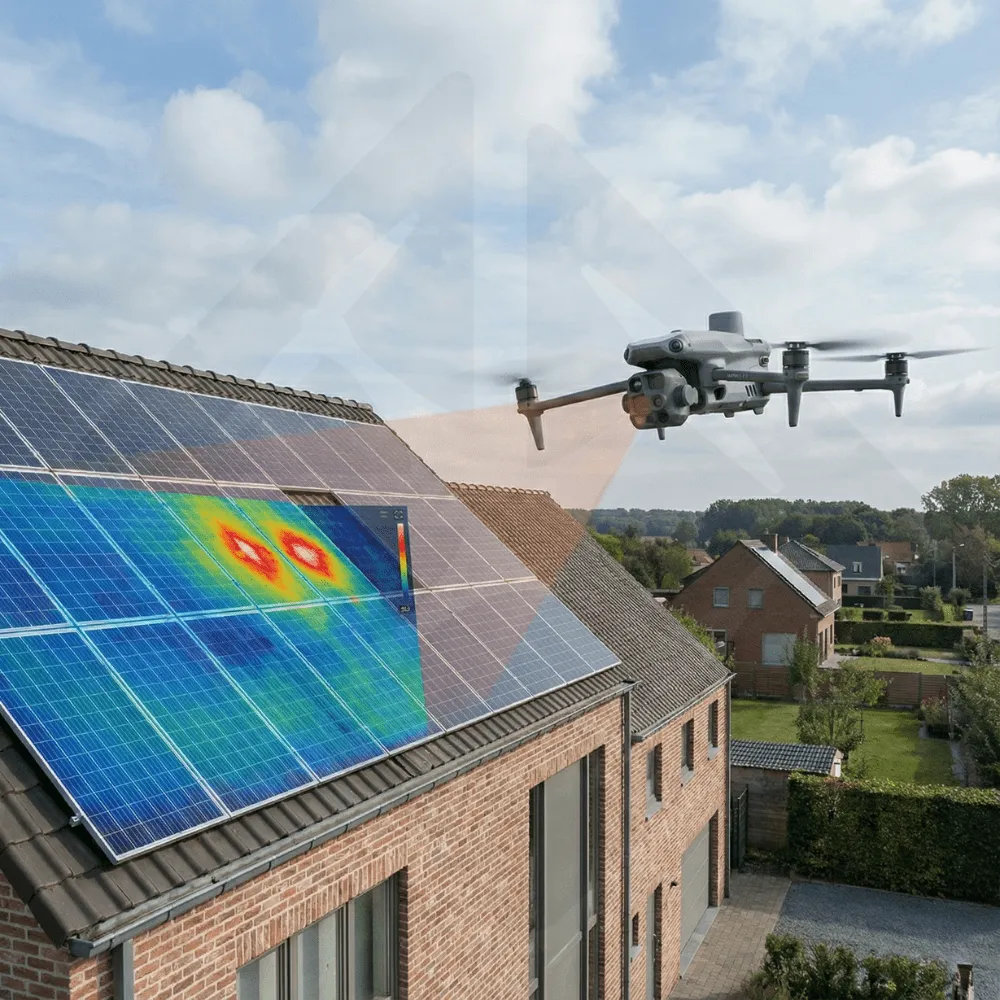
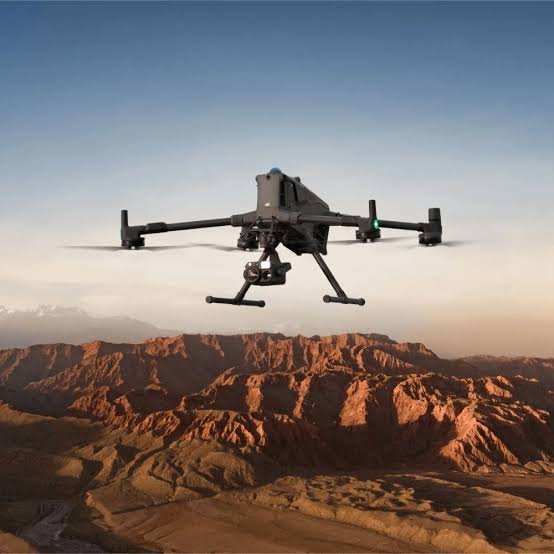
Not every inspection job can rely on a standard camera. When you need to spot heat signatures or temperature anomalies — a failing electrical component, a hotspot in a structure, a person in a search-and-rescue operation — the Matrice 4T pairs thermal and visual imaging in one platform. It’s a common choice for electrical inspections, industrial work, and public safety and search-and-rescue teams that need more than a regular RGB camera can show them.
Some projects are simply bigger than a single compact drone can handle. Large infrastructure jobs, complex multi-stage inspections, and operations that call for heavier or multiple payloads need a platform built for that scale. The Matrice 400 is DJI’s answer for organisations running drones as part of a larger operational system — public safety agencies, large industrial operators, and enterprises managing complex missions tend to be the ones reaching for it.
DJI AGRAS T40 — Agricultural Spraying
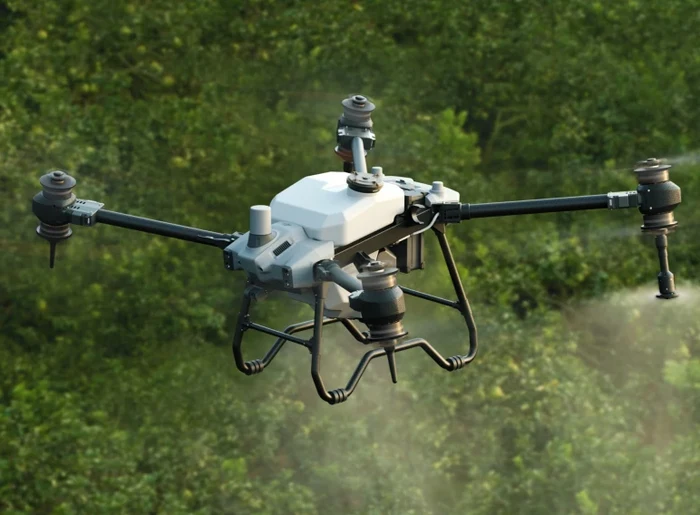
Agriculture is one of the areas where drones have moved from capturing images to doing physical field work. The AGRAS T40 is built for spraying and spreading, letting farmers treat large areas far faster than manual methods allow. It suits crop treatment, fertiliser application, and large-scale farming where coverage matters more than imagery.
For farmers, that means coverage that would take a team hours to walk or drive can be done in a fraction of the time, chemical use tends to be more precise since the drone follows a planned flight path, and operators aren’t exposed to the chemicals being applied. It also supports night operations and can fly in formation with other AGRAS units, useful for larger farms or contractors servicing multiple properties.
It suits crop treatment, pesticide and herbicide application, and seeding across rice paddies, orchards, and row crops, and has become a common tool for agricultural cooperatives and spraying contractors, not just individual farm owners.
Quick Comparison
Requirement |
DJI Drone to Consider |
|---|---|
| Travel & Lightweight Aerial Photography | DJI Mini 5 Pro |
| Professional Photography & Video | DJI Mavic 4 Pro |
| Surveying & Mapping | DJI Mavic 3 Enterprise |
| Advanced Surveying & Mapping | DJI Matrice 4E |
| Thermal Inspection | DJI Matrice 4T |
| Large-Scale Enterprise Operations | DJI Matrice 400 |
| Agricultural Spraying | DJI AGRAS T40 |
| Precision Agriculture & Crop Monitoring | DJI Mavic 3 Multispectral |
Why Work with Dronevex
With this many models and configurations on the market, it’s easy to end up choosing based on spec sheets rather than what you actually need. Dronevex takes the opposite approach, starting with your application and working backward to the right drone — whether that’s a solo creator after a lightweight camera drone, a surveying team that needs accurate aerial data, or a farm operation weighing up spraying against crop monitoring.
The catalogue isn’t limited to DJI either. It also covers Unitree robotics, CHASING underwater drones, accessories, and drone services, giving businesses room to explore other technologies depending on the problem at hand.
Finding Your Fit
The best DJI drone isn’t the newest or most expensive one on the shelf, it’s the one that actually matches your application, your environment, and how you plan to use it day to day.
For travel and casual content, the Mini 5 Pro is usually more than enough. Professional creators tend to land on the Mavic 4 Pro. Surveyors and mapping teams have the Mavic 3 Enterprise and Matrice 4E to choose between depending on scale. Inspection work leans toward the Matrice 4T, and large enterprise operations toward the Matrice 400. On the agricultural side, it comes down to whether you need to spray (AGRAS T40) or monitor (Mavic 3 Multispectral).
If you’re still weighing up which one makes sense for your work, Dronevex can help you match the drone to the job rather than the other way around.