Unitree’s IPO Just Changed the Humanoid Robotics Market, Here’s Why
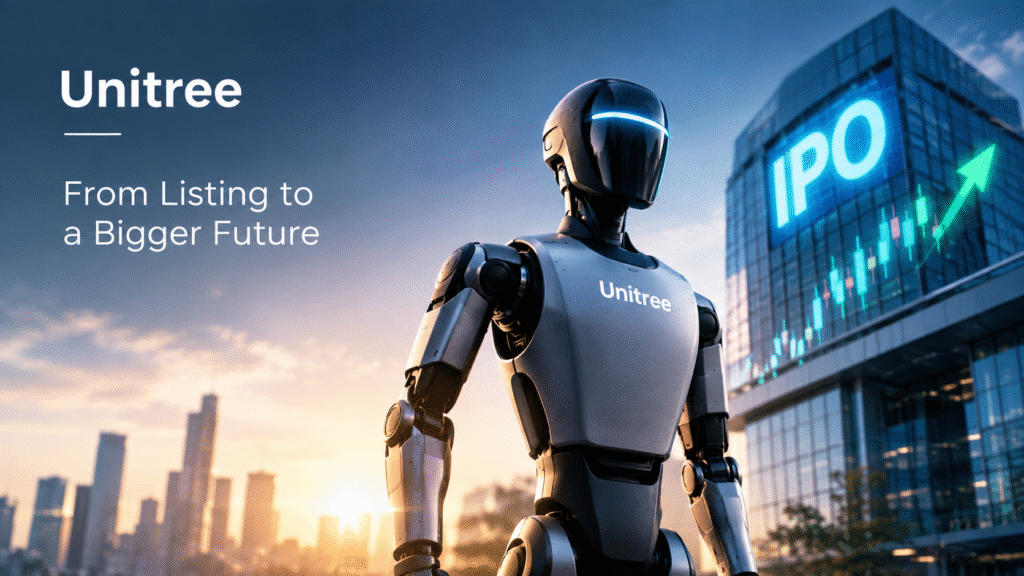
Robots that walk, dance, and occasionally throw a punch have been trending on social media for years. What changed in August 2026 is that one of the companies building them started trading on a stock exchange. The Unitree IPO put a real price tag on the humanoid robotics market for the first time, and the reaction has been anything but boring.
Unitree Robotics became the first humanoid-robot maker to list on mainland China’s stock market. Investors piled in immediately, then pulled back just as fast and that whiplash says a lot about where this industry stands.
What Happened With Unitree's IPO?
Unitree Robotics, formally Hangzhou Yushu Technology, listed on Shanghai’s STAR Market on August 19, 2026, pricing shares at 150.80 yuan and raising roughly $900 million.
The debut was extraordinary even by China’s standards. Shares briefly surged as much as 629% intraday before closing up around 460%, pushing Unitree’s value toward $60 billion, well above its roughly $9 billion IPO valuation.
It didn’t last. Within weeks, the stock fell sharply, shedding somewhere near 45% from its post-debut peak. Billions in paper value evaporated almost as fast as it appeared, turning Unitree into a case study for what happens when investor enthusiasm outruns a young industry’s fundamentals.
Why Is Unitree So Important to Humanoid Robotics?
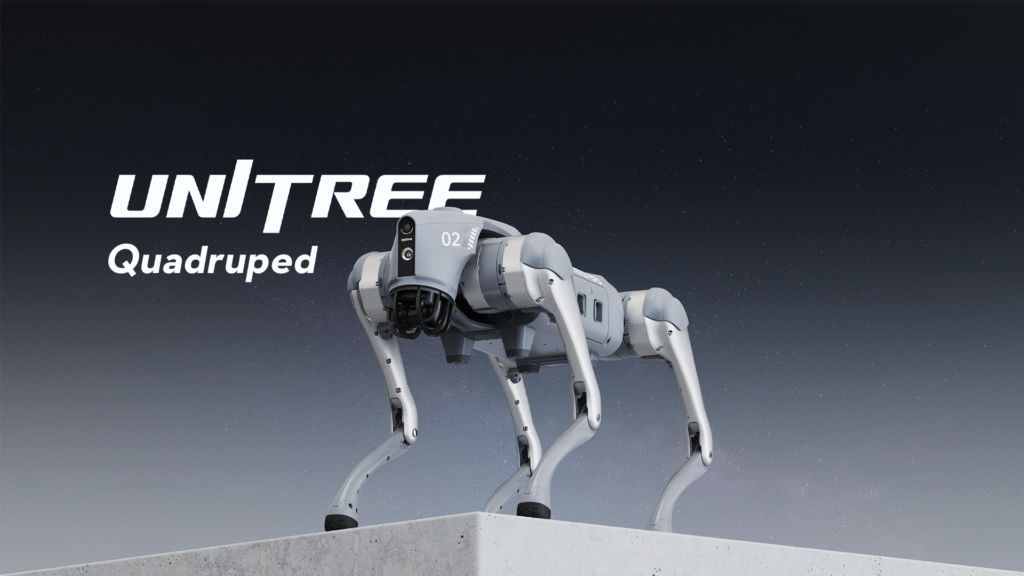
Unitree didn’t become a household name in robotics circles by accident. The company built its reputation on quadruped robots before expanding into humanoid platforms, at price points that made advanced robotics accessible to universities, developers, and hobbyists not just deep-pocketed labs.
Its G1 model has become something of a reference point for the industry, the kind of Unitree humanoid robot showing up in research papers, demo videos, and pilot programs.
A flashy demo is one thing. A robot that’s affordable, programmable, and reliable enough to actually deploy is another. Unitree’s approach cheaper hardware paired with rapid iteration has helped prove there’s real appetite for humanoid robots beyond pure research settings.
The IPO Is a Sign of Growing Investor Confidence
For a long time, humanoid robots lived mostly in demo reels impressive to watch, hard to justify commercially. That’s shifting.
Advances in AI, computer vision, sensors, and battery technology have made robots noticeably more capable in a short span of time, and capital has followed. Unitree’s public listing gives investors a direct way into that story and hands the company fresh capital for R&D, manufacturing, and expansion; the unglamorous work that determines whether humanoid robots 2026 becomes a real commercial category or stays a headline generator.
But There Is a Major Problem: Hype vs Reality
Here’s the uncomfortable part. A robot that can climb stairs and land a punch is impressive. Getting a business to pay for that robot, month after month, is a different challenge entirely.
Commercial buyers care about measurable value: fewer labor-intensive tasks on a factory floor, faster movement of goods in a warehouse, safer inspection of hazardous sites. Until humanoid robots generate that kind of recurring revenue at scale, questions about whether current valuations make sense aren’t going away and Unitree’s stock swing is exhibit A.
China Is Changing the Game for Robotics IPOs

Unitree’s rocky aftermarket performance hasn’t stayed contained to one stock. Regulators in China are reportedly paying closer attention to humanoid robotics companies lining up for public listings, pushing applicants to show real revenue rather than just an eye-catching demo.
That’s arguably healthy for the robotics industry long-term. Instead of rewarding the best demo, markets may start asking harder questions: How many units have actually sold? Is revenue coming from repeat customers? Can the company manufacture at scale? Those questions separate durable businesses from expensive science projects.
What Does This Mean for the Humanoid Robot Market?
More investment. A high-profile listing, even a volatile one, tends to draw capital into AI robotics broadly better components, more R&D, larger manufacturing runs.
Greater competition. Unitree isn’t alone. Tesla, Figure, Agility Robotics, and Boston Dynamics are all chasing versions of the same breakthrough.
More focus on real-world deployment. The next phase will be judged less by viral clips and more by whether robots show up in warehouses and factories and stay there.
Sharper investor scrutiny. After watching Unitree’s valuation swing by tens of billions in weeks, investors backing the next robotics IPO will demand harder evidence before assigning sky-high multiples.
Unitree’s IPO Could Mark a Major Shift in Robotics
The Unitree IPO doesn’t prove humanoid robots are ready to take over factory floors tomorrow. What it does prove is that humanoid robotics has become a serious commercial and financial sector, not just a research curiosity.
At the same time, the stock’s volatility is a reality check for the whole robotics industry. The next stage of this race won’t be won by whoever builds the most impressive robot on camera. It’ll be won by whoever builds robots businesses can actually afford, deploy, and depend on.
Explore Advanced Robotics & Drone Technology with Dronevex
Unitree’s IPO is a reminder that robotics is moving from demo to deployment; a shift that spans more than humanoid robots. Dronevex works across this landscape, offering solutions including DJI drones, Unitree robots, and CHASING underwater ROVs for businesses, researchers, and organizations exploring real-world applications. Contact Dronevex to explore the drone or robotics solution that fits your requirements.
Frequently Asked Questions
What is the Unitree IPO?
Unitree’s August 2026 stock listing on Shanghai’s STAR Market — the first time a humanoid-robot maker has traded on mainland China’s exchange.
Why is Unitree's IPO important?
It gave the humanoid robotics market its first real public price tag, testing investor appetite and setting a precedent for future robotics IPOs.
Is Unitree publicly traded?
Yes, since its August 2026 listing on Shanghai’s STAR Market — though the stock has been notably volatile since debut.
Are humanoid robots commercially ready?
Not fully. Interest is high and capability is improving fast, but wide commercial adoption still depends on cost, reliability, and proven recurring revenue.
Who competes with Unitree?
Tesla, Figure, Agility Robotics, and Boston Dynamics are among the major players developing competing humanoid robots.