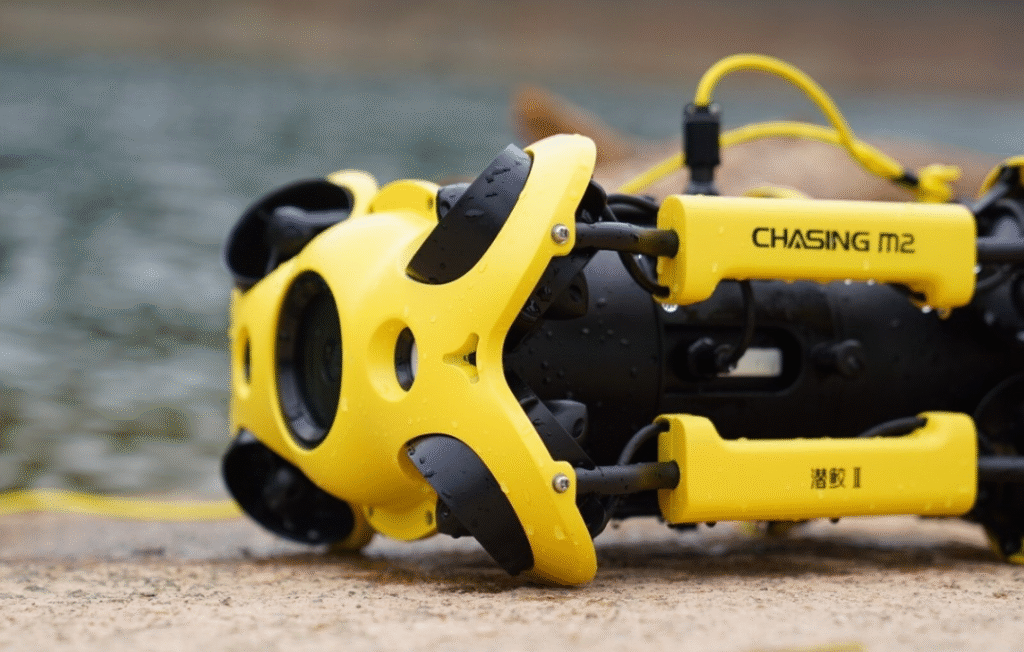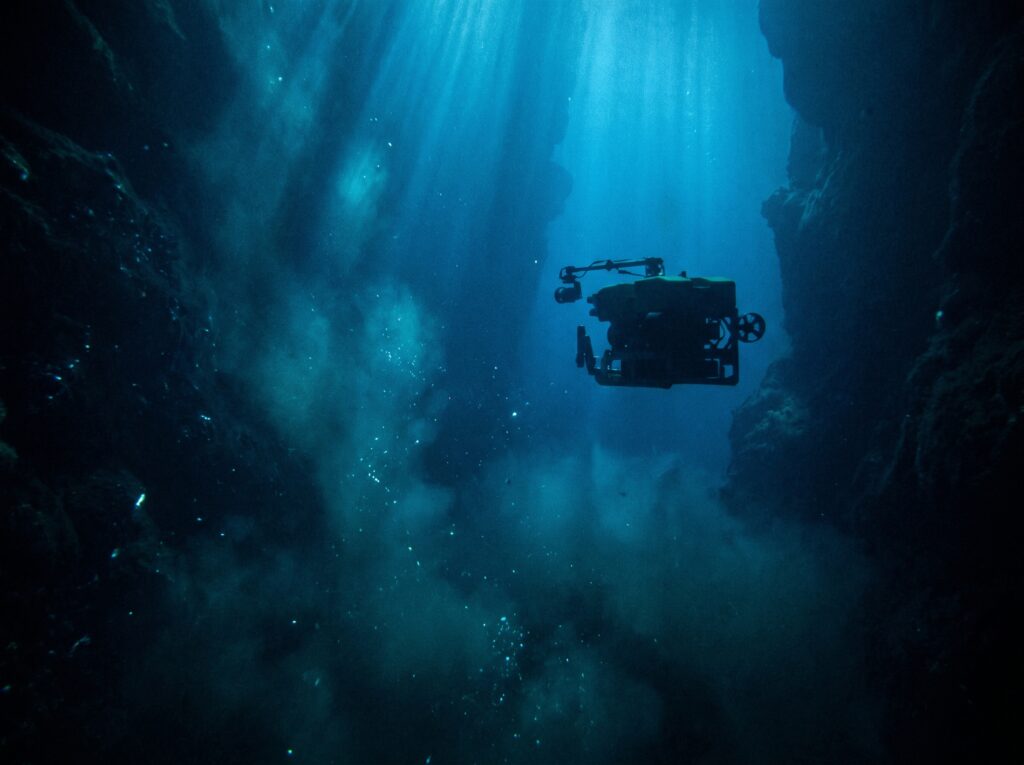
Underwater drone technology is rapidly changing how industries inspect, monitor, and explore underwater environments. From dam inspections and ship hull analysis to offshore infrastructure monitoring and underwater surveillance, modern underwater drones are helping organizations access locations that are often difficult, expensive, or dangerous for human divers.
As industries continue moving toward automation and intelligent monitoring systems, underwater robotics is becoming an important part of industrial operations across sectors such as marine engineering, infrastructure management, energy, aquaculture, and disaster response.
Unlike traditional inspection methods, underwater drones provide real-time visuals, improved operational safety, and detailed underwater intelligence without requiring risky manual deployment. This is one of the reasons why underwater drone technology is gaining attention as the next major advancement in industrial robotics and remote monitoring systems.
The Growing Importance of Underwater Inspections
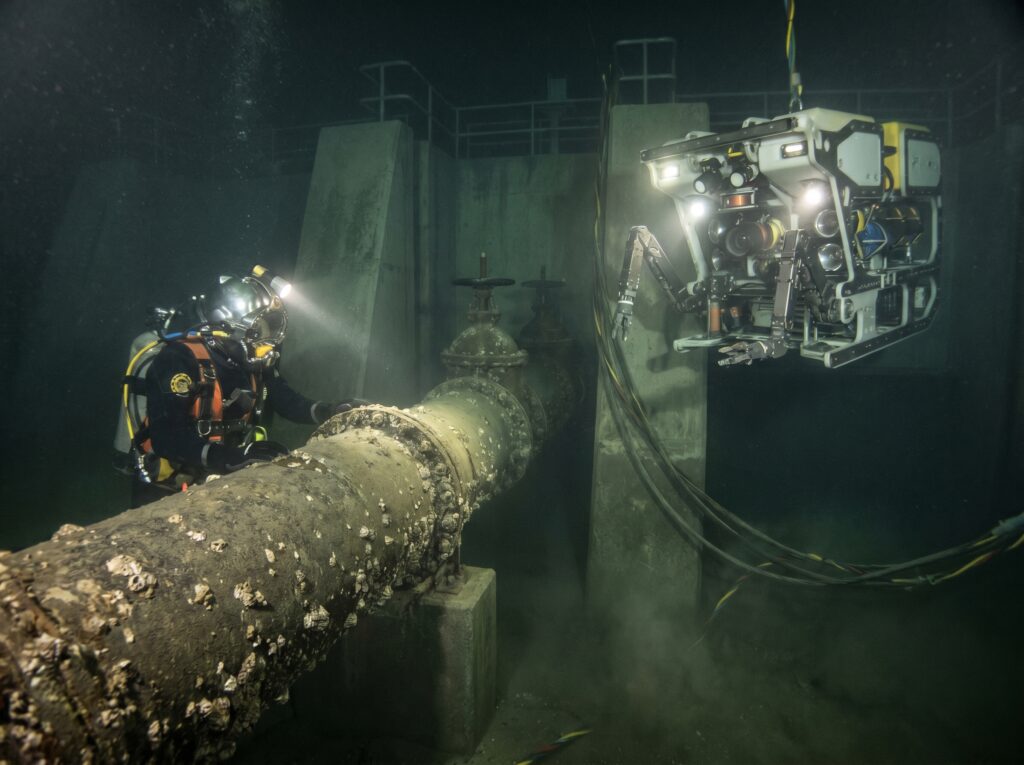
Underwater infrastructure is far more critical than most people realize. Bridges, dams, pipelines, ports, reservoirs, offshore structures, and ship hulls all require regular inspections to ensure safety and operational efficiency.
Traditionally, these inspections depended heavily on commercial divers operating in low-visibility and high-risk underwater conditions. While divers remain important for certain operations, manual underwater inspections can often be time-consuming, expensive, and operationally challenging.
Underwater drone technology is helping industries improve this process through remotely operated robotic systems capable of capturing high-resolution underwater visuals, sonar data, and real-time inspection footage with greater efficiency.
As industrial infrastructure continues expanding, the demand for intelligent underwater monitoring systems is expected to grow significantly.
How Underwater Drones Work in Industrial Environments
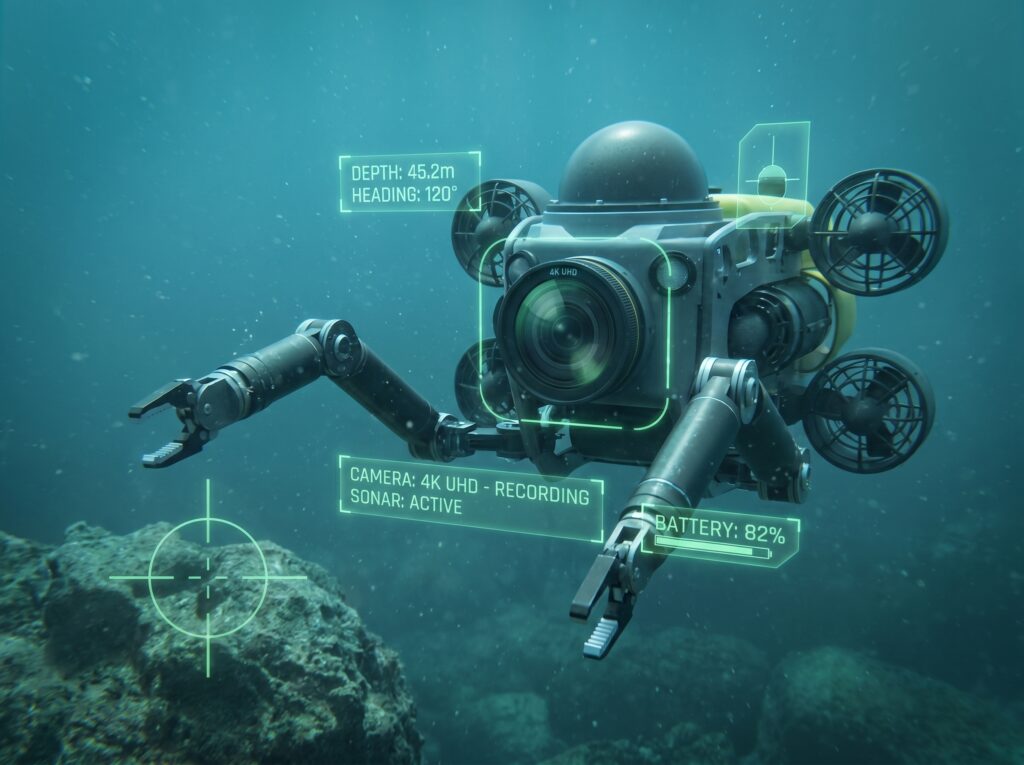
Modern underwater drones, often referred to as ROVs (Remotely Operated Vehicles), are designed to operate in complex underwater conditions while delivering real-time visual and operational data.
These systems are commonly equipped with:
- 4K underwater cameras
- LED floodlights
- sonar imaging systems
- robotic arms
- stabilization technology
- real-time monitoring interfaces
Advanced underwater drone technology allows operators to navigate submerged environments with precision while maintaining stable visuals even in difficult underwater conditions.
Industrial ROV systems are now capable of supporting inspections in deep reservoirs, offshore environments, underwater pipelines, and submerged infrastructure where traditional monitoring methods may face limitations.
Underwater Drone Technology for Dam and Infrastructure Inspection
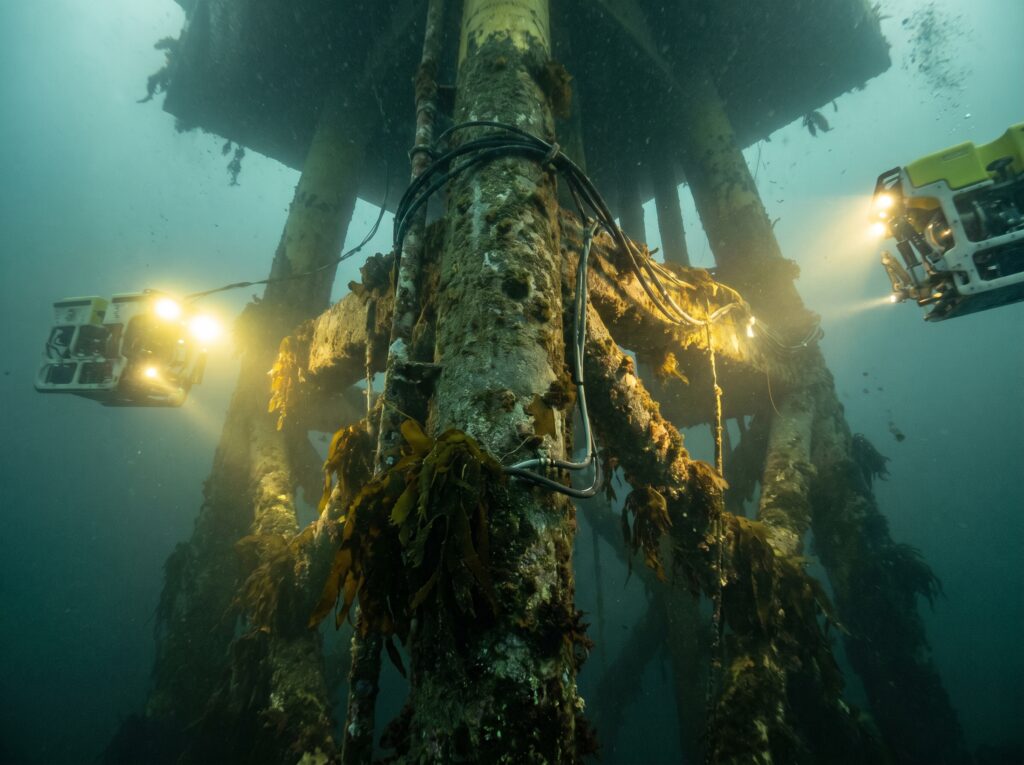
Dam inspections are becoming one of the most valuable industrial applications of underwater drone technology. Large dams and water reservoirs require regular structural monitoring to detect cracks, sediment buildup, leakage points, and underwater damage.
Manual underwater inspections inside reservoirs can be highly difficult because of:
- limited visibility
- depth challenges
- strong currents
- operational safety risks
Underwater drones provide a safer and more efficient alternative by allowing engineers to inspect submerged structures remotely while collecting detailed underwater footage and structural data.
Companies exploring intelligent underwater inspection systems are increasingly adopting advanced ROV platforms for infrastructure analysis and long-duration underwater monitoring operations.
Ship Hull Inspection and Marine Operations
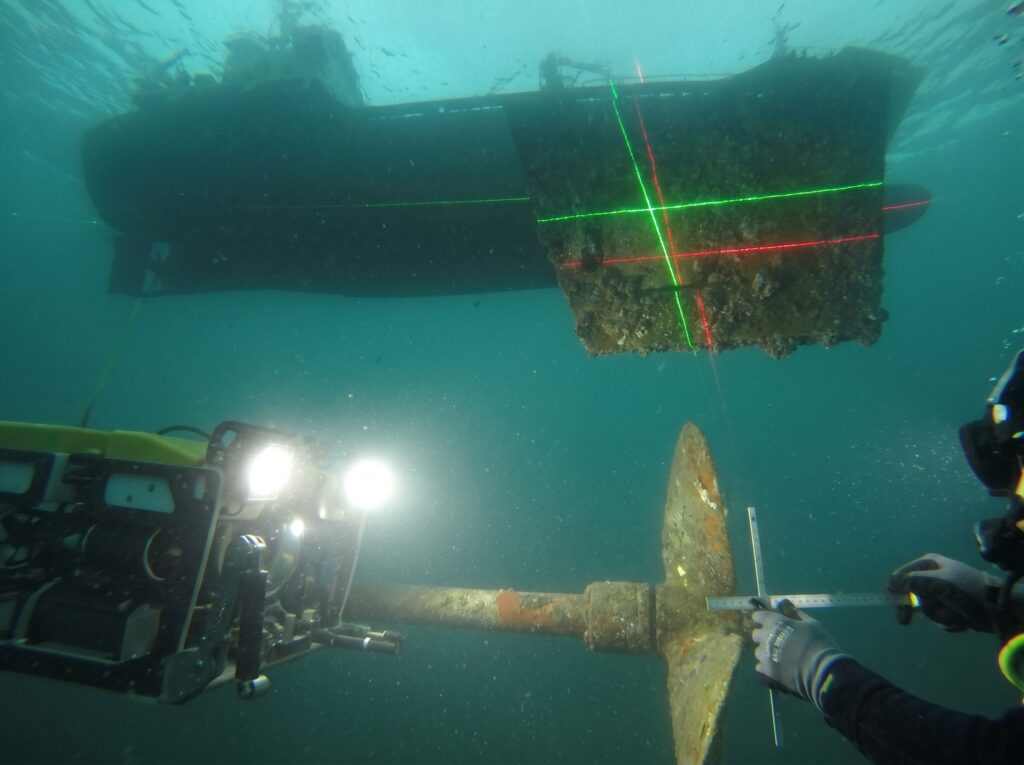
Marine industries are also adopting underwater drone technology for ship hull inspections and port infrastructure monitoring. Traditionally, inspecting ship hulls required divers and operational downtime, which increased both costs and inspection complexity.
Underwater drones can now perform hull inspections while reducing manual risk and improving inspection efficiency. Operators can identify:
- corrosion
- structural damage
- biofouling
- underwater cracks
- maintenance requirements
This allows marine operators to improve preventive maintenance planning while reducing vessel downtime.
Modern underwater robotics systems are becoming especially valuable for ports, shipping companies, offshore operators, and marine engineering teams looking for faster underwater inspection solutions.
Underwater Robotics and Offshore Monitoring
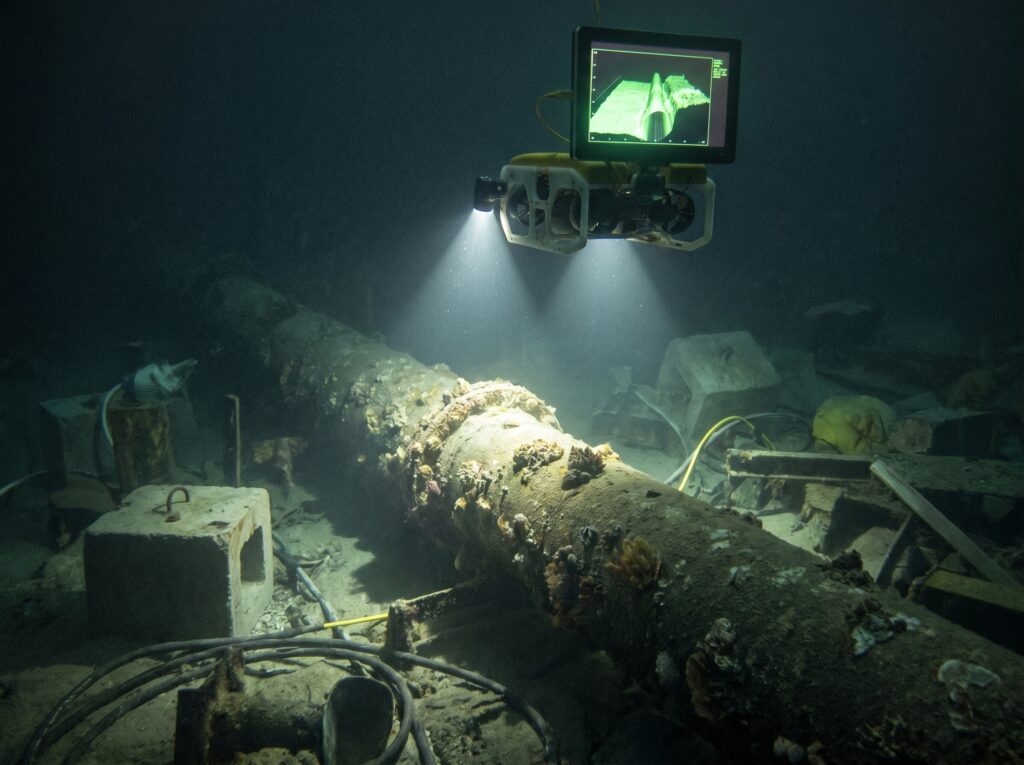
Offshore industries operate in some of the most demanding environments where monitoring underwater infrastructure is critical for operational safety.
Underwater drone technology is increasingly being used for:
- offshore platform inspections
- submerged pipeline monitoring
- underwater structural analysis
- environmental monitoring
- subsea exploration
ROV systems help operators access underwater locations that may otherwise require highly specialized diving operations. With real-time monitoring and advanced imaging capabilities, underwater drones improve both inspection accuracy and operational safety.
As underwater robotics continues advancing, industries are moving toward intelligent subsea systems capable of supporting long-duration industrial monitoring missions.
Smart Monitoring and Real-Time Underwater Intelligence
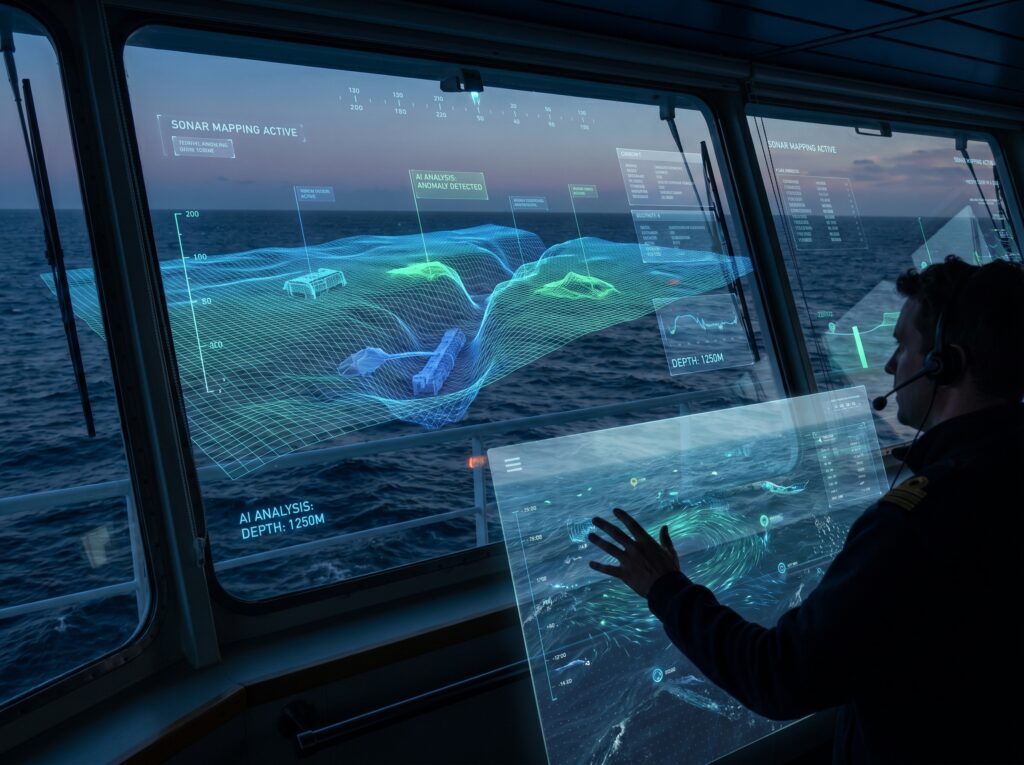
One of the biggest advantages of underwater drone technology is the ability to provide real-time underwater intelligence. Instead of relying only on post-inspection reporting, operators can now monitor underwater environments live during missions.
This improves:
- inspection accuracy
- operational decision-making
- maintenance planning
- emergency response efficiency
Modern underwater drones are increasingly integrating intelligent monitoring technologies such as:
- sonar mapping
- live data transmission
- underwater stabilization systems
- AI-assisted imaging
- advanced navigation systems
This shift toward smart underwater monitoring is helping industries improve efficiency while reducing operational uncertainty in complex underwater environments.
How Dronevex Is Exploring Underwater Drone Solutions
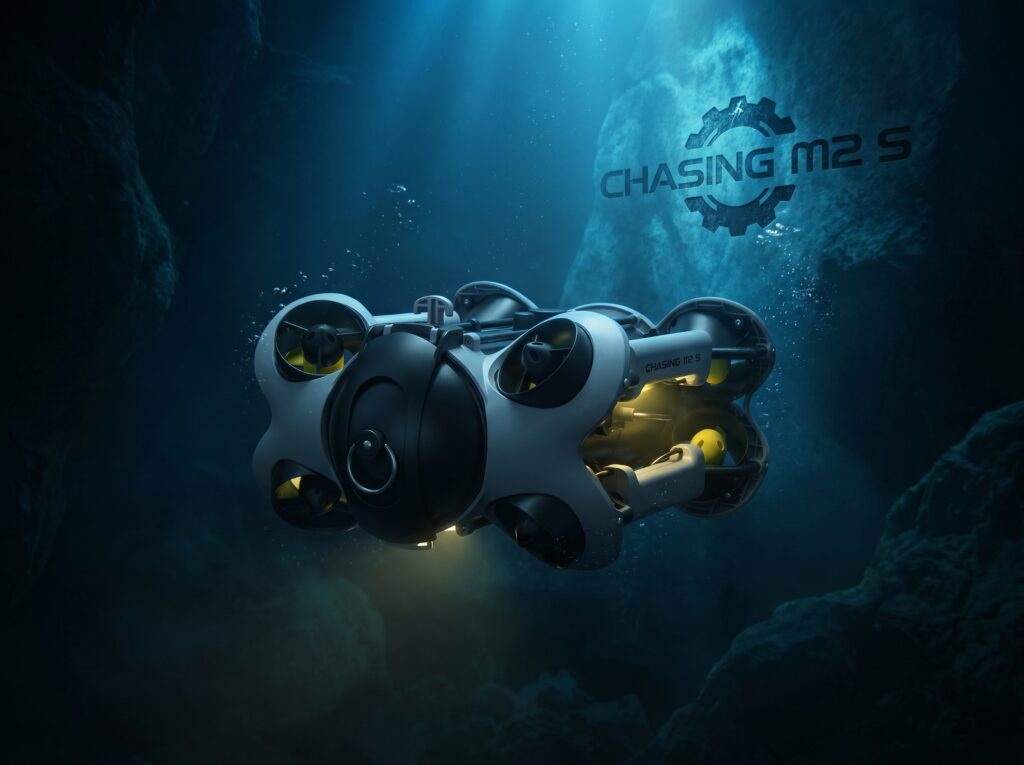
As underwater robotics continues evolving, companies are increasingly focusing on intelligent subsea systems designed for practical industrial operations rather than simple underwater exploration.
Through its underwater drone ecosystem, Dronevex Underwater Drones is exploring advanced underwater drone technology for inspection, monitoring, marine operations, and industrial underwater applications.
Professional ROV systems such as the M2 PRO Professional ROV are helping expand access to high-performance underwater inspections through features such as:
- 4K underwater imaging
- deep-water operational capability
- modular accessory support
- real-time monitoring systems
Modern underwater operations may also involve specialized tools including sonar systems, robotic grabber arms, underwater lighting modules, and intelligent navigation technologies, which are becoming increasingly important for industrial underwater robotics.
The Future of Underwater Drone Technology
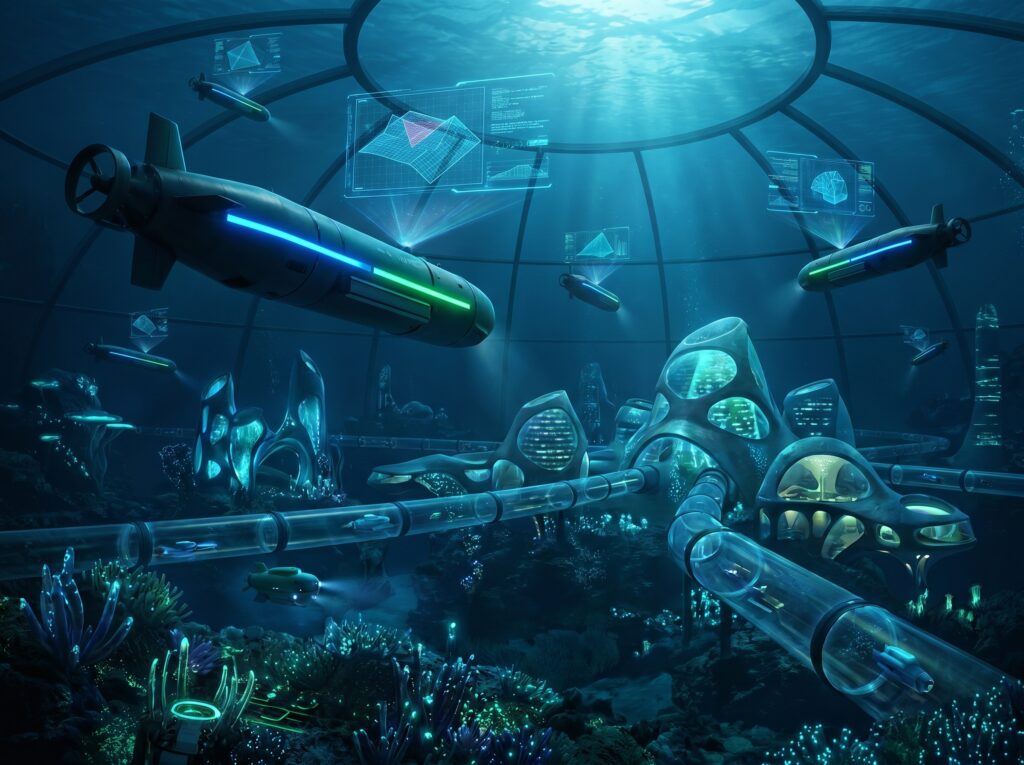
The future of underwater drone technology is expected to move far beyond basic underwater exploration. Advances in robotics, AI-powered monitoring, sonar imaging, and intelligent navigation systems are transforming underwater drones into highly capable industrial tools.
In the coming years, underwater robotics may become increasingly important for:
- smart infrastructure inspections
- offshore energy operations
- environmental monitoring
- underwater security systems
- disaster response missions
- subsea industrial automation
As industries continue investing in intelligent monitoring systems, underwater drones will likely become a critical part of modern industrial inspection and remote operational infrastructure.
Conclusion
Underwater drone technology is transforming the way industries inspect, monitor, and manage underwater environments. From dam inspections and marine operations to offshore infrastructure monitoring and intelligent subsea robotics, underwater drones are improving operational efficiency while reducing risks associated with manual underwater inspections.
As underwater robotics continues evolving, the demand for intelligent underwater monitoring systems is expected to grow across industrial sectors worldwide.
Companies exploring reliable underwater inspection technologies and real-time subsea intelligence systems are helping shape the future of industrial underwater operations through innovation, automation, and advanced robotic monitoring capabilities.
FAQs
What is underwater drone technology?
Underwater drone technology refers to remotely operated robotic systems designed to inspect, monitor, and explore underwater environments using cameras, sonar systems, and real-time monitoring tools.
How are underwater drones used in industrial inspections?
Underwater drones are used for dam inspections, pipeline monitoring, ship hull inspections, offshore infrastructure analysis, reservoir monitoring, and underwater structural assessments.
What are the benefits of underwater drone technology?
Underwater drone technology improves operational safety, reduces manual inspection risks, provides real-time underwater intelligence, and increases inspection efficiency in difficult underwater environments.
What is an ROV in underwater robotics?
An ROV (Remotely Operated Vehicle) is an underwater robotic system controlled remotely for underwater inspections, exploration, monitoring, and industrial operations.
How are underwater drones used for ship hull inspections?
Underwater drones inspect ship hulls for corrosion, structural damage, biofouling, cracks, and maintenance issues while reducing operational downtime and improving inspection efficiency.
How is Dronevex exploring underwater drone technology?
Dronevex is exploring intelligent underwater drone solutions for industrial inspections, marine operations, underwater monitoring, and robotic subsea applications through advanced ROV systems and underwater robotics technologies.
How does underwater drone technology improve operational safety?
Underwater drones reduce the need for human divers in hazardous underwater environments, helping improve safety during inspections, monitoring, and underwater exploration missions.