Indian Drone Industry: Driving the Transformation and Growth of Modern India
Indian Drone Industry is rapidly transforming into a pivotal sector for technology innovation and economic growth. Enabled by supportive government policies such as Drone Shakti and the Production Linked Incentive (PLI) scheme, the industry is experiencing unprecedented momentum. Highlighted by a projected compound annual growth rate (CAGR) exceeding 24% through 2030, this dynamic ecosystem is expanding across manufacturing, services, and applications, positioning India as a potential global leader in drone technology.
Emerging technologies are fueling the Indian Drone Industry’s expansion, including advancements in payload capacity, autonomous navigation, and AI-enhanced data analytics. These innovations allow drones to meet the diverse needs of agriculture, defense, logistics, infrastructure inspection, and disaster management more effectively than ever before. The influx of startups and increased investment activity are catalyzing the development of localized solutions designed to address India’s unique geographical and regulatory challenges, driving an indigenous drone manufacturing renaissance.
This vibrant growth of the Indian Drone Industry is also creating new employment opportunities and fostering skill development, contributing to the country’s broader digital economy goals. As public and private sectors integrate drone technology into critical operations, the industry is poised to redefine traditional practices, enhance productivity, and unlock new economic avenues. Understanding these emerging trends provides insight into how the Indian Drone Industry will shape the nation’s tech-driven future.
Market Growth Statistics and Projections
The Indian Drone Industry is experiencing remarkable growth, driven by diverse applications and supportive government policies. According to recent market analysis, the Indian drone market is expected to grow at a Compound Annual Growth Rate (CAGR) of around 20% to 24% between 2025 and 2030. This rapid expansion is fueled by increased adoption in sectors such as defense, agriculture, logistics, infrastructure, and healthcare. The government’s initiatives like Drone Shakti and Production Linked Incentives are also accelerating domestic manufacturing, which is critical for sustained growth and self-reliance.
Financially, the Indian drone market is projected to reach a valuation of approximately USD 1.39 billion by 2030, up from around USD 0.47 billion in 2025. This impressive growth includes a forecasted doubling in the volume of drones procured, from about 8,381 units in 2025 to over 16,000 units by 2030. These figures underscore the expanding footprint of the Indian Drone Industry and its pivotal role in modernizing various economic sectors. The military and defense sector remains a significant driver, but emerging commercial uses in agriculture, delivery services, and infrastructure monitoring provide substantial opportunities.
Geographically, certain Indian states such as Tamil Nadu, Karnataka, Telangana, and Maharashtra are becoming key innovation and manufacturing hubs, leveraging public-private partnerships and fostering a drone ecosystem that supports startups and established companies alike. With evolving regulations, technological advancements, and growing investor interest, the Indian Drone Industry is set to become a global competitor and a catalyst for technological transformation across multiple domains.
Key Use Cases in the Indian Drone Industry
The Indian Drone Industry is witnessing transformative adoption across multiple sectors, driven by the increasing recognition of drones as essential tools for enhancing operational efficiency, reducing costs, and improving outcomes. As this industry evolves, several key use cases highlight how drones are revolutionizing India’s agrarian landscape, defense capabilities, logistics infrastructure, medical services, and infrastructure monitoring. Understanding these applications provides invaluable insight into the potential and expanding impact of the Indian Drone Industry.
Agriculture:
Drones have become a cornerstone in modernizing Indian agriculture through precision spraying, crop health monitoring, and soil analysis. Equipped with multispectral sensors and automated spraying systems, agricultural drones reduce pesticide use by 30-40%, optimize water usage, and increase yields by timely intervention against pest and nutrient issues. The Indian Drone Industry in agriculture addresses labor shortages and promotes sustainable farming by automating seeding and monitoring processes across large farmland efficiently.Defense:
In defense applications, drones augment surveillance, reconnaissance, and border security efforts. The Indian Drone Industry’s defense segment focuses on deploying UAVs for real-time intelligence, reducing manpower risks, and enhancing operational coverage over difficult terrains. Advanced payloads and long-flight capabilities allow seamless integration into military operations for threat detection, mapping hostile terrains, and target acquisition.Logistics:
Drones in logistics streamline last-mile delivery, especially in remote and congested areas where traditional transport is hindered. The Indian Drone Industry powers innovative drone courier services, enabling quick medical supplies delivery, e-commerce parcel transport, and disaster relief supply drops. This reduces delivery times and expands reach, enhancing accessibility to critical goods and services.Infrastructure:
For infrastructure inspection and monitoring, drones provide high-resolution aerial imagery and LiDAR data for assets like bridges, power lines, roads, and construction sites. The Indian Drone Industry supports safer, tamper-proof assessments, reduces manual inspection risks, and accelerates maintenance cycles through rapid data collection and analysis, boosting project transparency and operational safety.Healthcare:
Drones are revolutionizing healthcare by enabling rapid transport of medical samples, vaccines, and emergency supplies to underserved and rural areas. Within the Indian Drone Industry, healthcare drone initiatives reduce transit times drastically and improve response capabilities during health crises, making healthcare delivery more inclusive and efficient.
Impact on Smart Cities and Urban Planning
Data Collection and Real-Time Monitoring
Enhanced Infrastructure Management
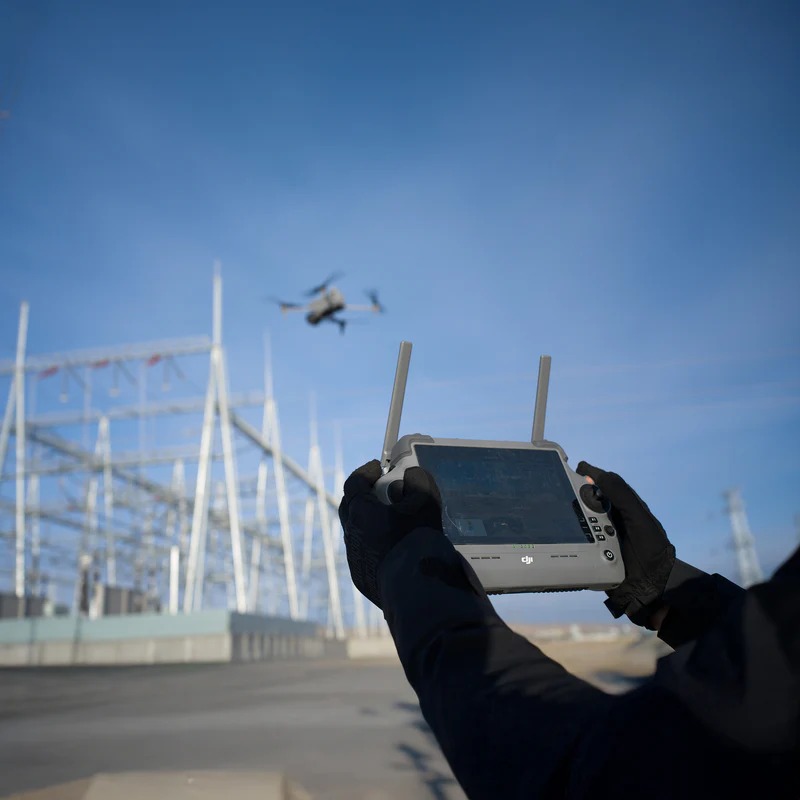
With accurate drone inspections, city authorities across India can closely monitor infrastructure such as bridges, roads, power lines, and water systems more efficiently. The Indian Drone Industry’s advanced sensors enable automatic fault detection and condition tracking, reducing manual survey costs while improving safety, speed, and maintenance efficiency. These insights help predict issues before they occur, building stronger, greener, and future-ready urban infrastructure. This approach ensures cities can manage their assets more intelligently and extend the lifespan of critical infrastructure effectively.
Urban Planning and Development
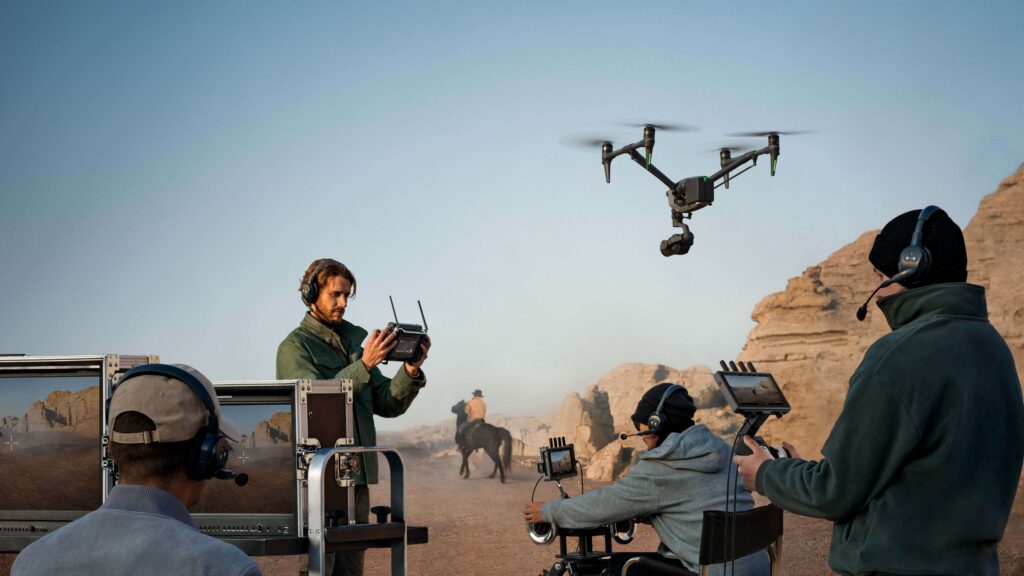
Drones drive smart urban development initiatives by providing accurate, high-resolution topographic and mapping data to planners, architects, and engineers. The Indian Drone Industry empowers precise modeling and 3D mapping of complex cityscapes, supporting zoning, land-use planning, and construction project management. This promotes more informed, data-driven decision-making and smarter allocation of urban spaces that adapt swiftly to changing economic ,demographic, infrastructural, and environmental needs, fostering sustainable, inclusive, and intelligent city growth.
Public Safety and Emergency Response
The Indian Drone Industry aims to strengthens preparedness through rapid aerial surveillance, real-time data sharing, and damage assessment during disasters. Drones assist law enforcement and emergency services by providing enhanced awareness from the sky, enabling swift response, rescue planning, and resource co-ordination. Their applications range from crowd monitoring during large public events to disaster relief in flood or earthquake-prone urban areas, making Indian cities significantly safer, more resilient, and better equipped for crisis management.
Technology Advancements: FPV, Autonomy, Payloads, Battery
The Indian Drone Industry is at the cusp of a technological revolution, driven by several key advancements that are shaping its future trajectory. One prominent area of progress is First-Person View (FPV) technology, which is enhancing drone operation by providing pilots with immersive, real-time visual feedback from the drone’s perspective. This makes navigation more intuitive and precise, particularly valuable in complex environments such as disaster zones or dense urban areas. FPV technology is increasingly being integrated into the Indian Drone Industry’s device portfolio, improving the efficiency and capabilities of aerial operations.
Autonomy is another critical advancement transforming the Indian Drone Industry. Drones equipped with AI-powered autonomous flight controls, obstacle avoidance, and real-time decision-making capabilities are becoming common. These autonomous systems can conduct complex missions such as precision farming, surveillance, and delivery without requiring constant human intervention, thereby boosting operational efficiency. The rise of autonomous drones underscores a growing shift in the Indian Drone Industry towards smarter, more efficient, and safer aerial systems.
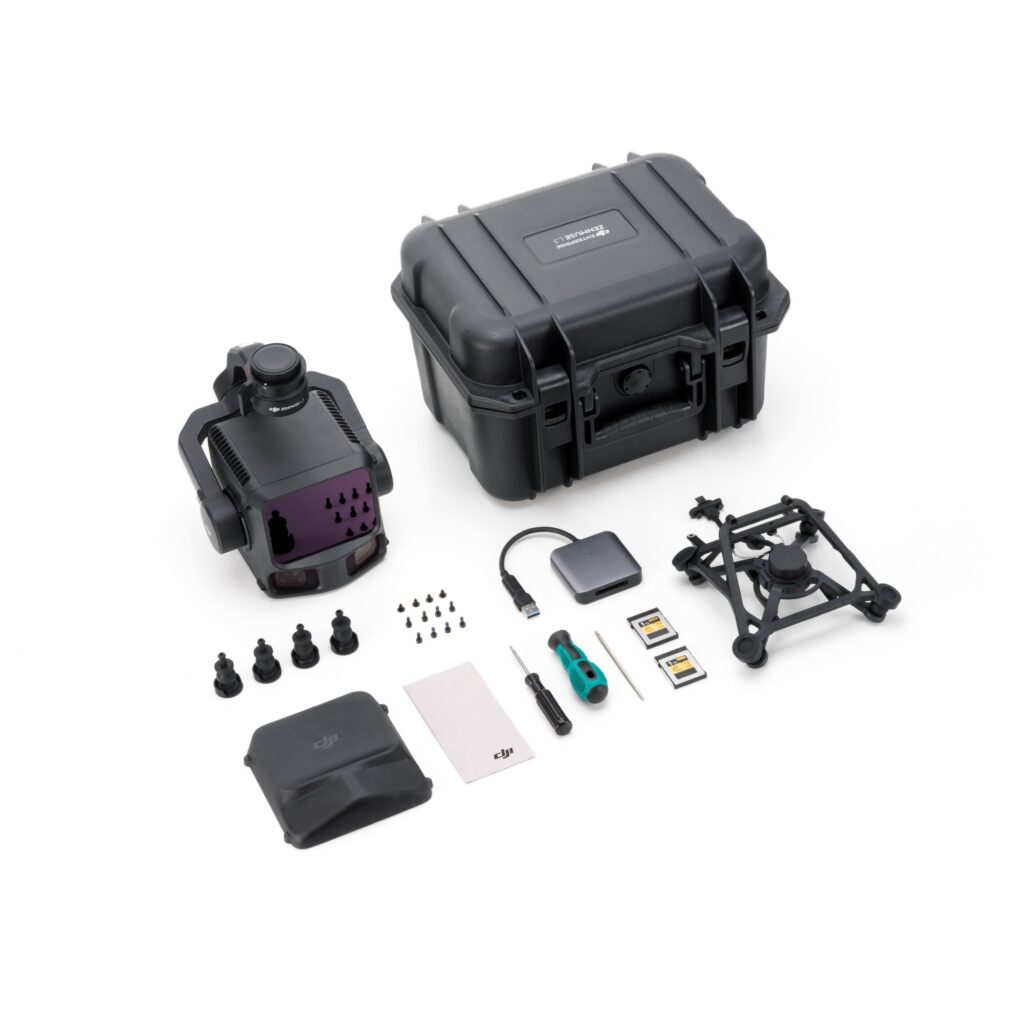
Payload innovations also play a vital role in the Indian Drone Industry’s expansion. Enhanced payload capacities allow drones to carry advanced sensors, high-resolution cameras, thermal imaging devices, and even delivery packages. This flexibility opens doors for multi-industry applications including agriculture monitoring, infrastructure inspections, and emergency medical deliveries. Complementing payloads are improvements in battery technology, which significantly extend drone flight duration and range. Longer battery life increases mission scope and reduces downtime, facilitating continuous operations in demanding scenarios.
Together, these technological advancements in FPV, autonomy, payload, and battery capabilities are accelerating the growth and application of the Indian Drone Industry. They enable drones to perform more complex tasks with higher precision and reliability, establishing India as a competitive player in the global drone technology landscape.



Future Prospects and Predicted Industry Trends
The Indian Drone Industry is poised for significant expansion in the near future, driven by a combination of technological innovation, government support, and increasing adoption in various sectors. Here are some of the most exciting future prospects and predicted trends shaping the industry:
Rapid Market Expansion: The Indian Drone Industry is poised for exponential growth, with valuations expected to reach nearly $1.4 billion by 2030, fueled by increasing commercial, industrial, and defense applications. This accelerated growth reflects a compound annual growth rate (CAGR) of over 24% as emerging sectors adopt drone technology to enhance efficiency and innovation.
Increased Focus on Indigenous Manufacturing: Future trends highlight a strong push towards ‘Make in India’ initiatives within the drone ecosystem. The Indian Drone Industry is witnessing accelerated development of homegrown UAVs and components, reducing dependency on imports and tapping domestic R&D talent and manufacturing capabilities, enhancing national strategic autonomy and economic resilience.
Integration with Emerging Technologies: The fusion of AI, machine learning, 5G connectivity, and advanced sensor payloads is expected to revolutionize drone capabilities. These technological advances will empower the Indian Drone Industry to deliver smarter autonomous flights, improved real-time data processing, and precision applications across critical sectors including agriculture, logistics, urban planning, and disaster management.
Regulatory Evolution and Airspace Management: Progressive regulatory frameworks and digital airspace management solutions will enable safer, more scalable drone operations. The Indian Drone Industry will benefit from harmonized policies facilitating beyond visual line of sight (BVLOS) flights and drone corridors, critical for commercial scalability and innovation-friendly ecosystem growth.
Diversified Industry Applications and Ecosystem Growth: As the Indian Drone Industry matures, it will expand beyond traditional domains into healthcare logistics, passenger mobility, environmental conservation, and smart city infrastructure projects. Ecosystem players including startups, service providers, and investors will capitalize on these myriad use cases, further driving ecosystem maturity and economic impact.
Conclusion
The Indian Drone Industry is on a promising trajectory, reflecting a vibrant ecosystem primed for transformative growth and wide-reaching impact. This sector is not only expanding rapidly in terms of market size and technological innovation, but it is also steadily garnering support from government initiatives and regulatory reforms aimed at fostering domestic manufacturing and operational integration.
As the Indian Drone Industry continues its evolution, it is expected to catalyze economic modernization across multiple sectors, from precision agriculture to smart urban management. The convergence of advanced AI technologies, improved battery capacities, and autonomous systems will amplify drone capabilities, enabling more efficient, safer, and cost-effective solutions. This dynamic growth will likely position India as a key player on the global drone stage, driving significant technological and industrial progress well into the next decade.