What Can a Unitree Robot Dog Actually Do? 10 Real-World Uses
I remember the first time I saw one of these things get kicked over and just… get back up on its own. No shaky recovery, no falling on its face. It just reset and kept walking like nothing happened. That clip is what got a lot of people paying attention to Unitree, and honestly it’s still the moment I think of when someone asks me what these robots are for.
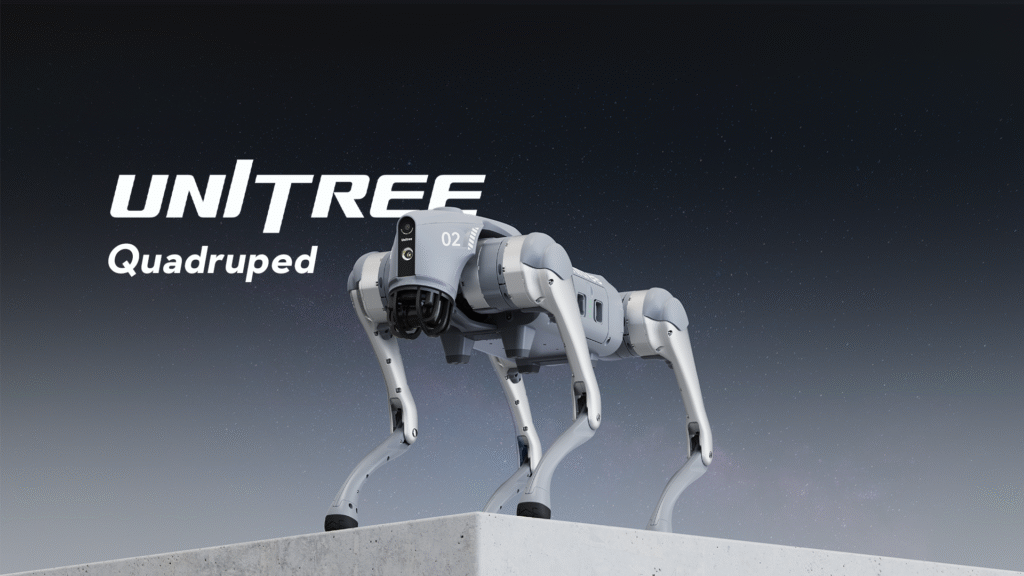
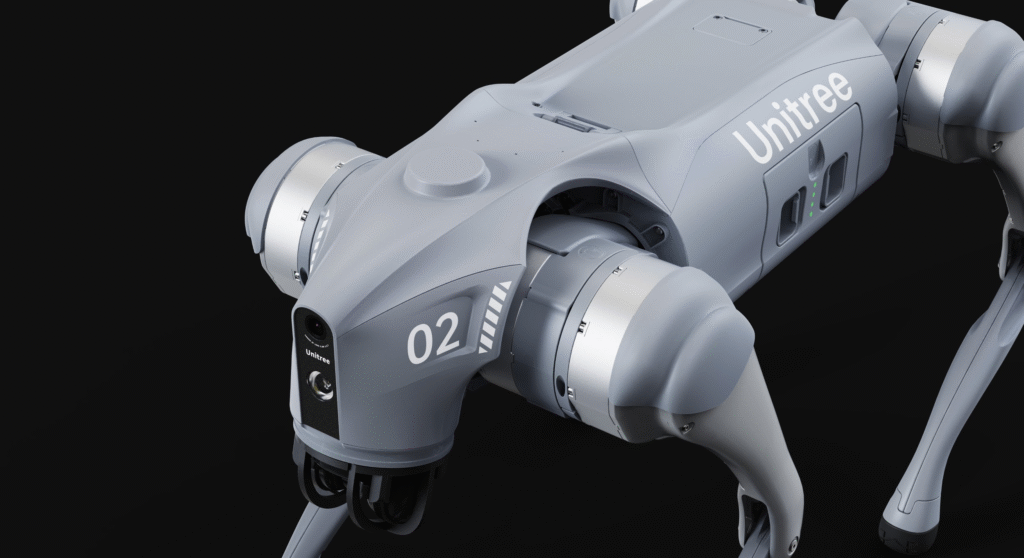
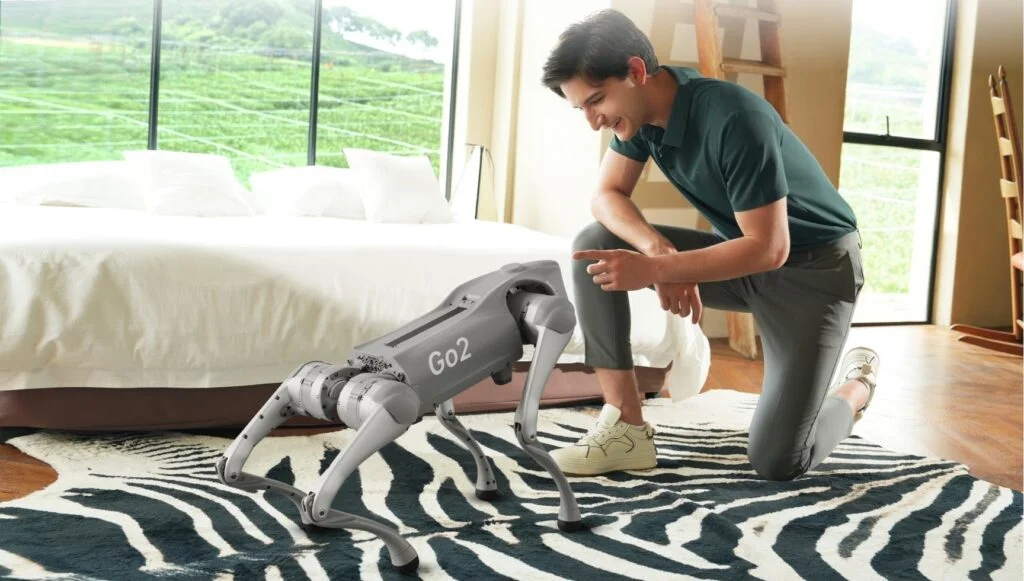
Unitree isn’t the only company making robot dogs, but it’s probably the name you’ve run into if you’ve spent any time down this rabbit hole. The Go2 in particular got a lot cheaper and a lot more capable than earlier quadruped robots, which is a big reason it’s showing up outside of research labs now in warehouses, on job sites, in classrooms, wherever someone needs eyes and legs somewhere they’d rather not send a person.
None of this happened because a robot that walks like a dog is inherently cool (though, fine, it is). It happened because legs solve a problem wheels can’t: real environments are messy, and stairs and rubble and mud don’t care that your robot has nice wheels.
Here’s what people are actually doing with these things right now.
1. Walking the Factory Floor So You Don't Have To
Anyone who’s worked in a plant or a warehouse knows inspection rounds are tedious. Same route, same checkpoints, day after day — and half the time you’re climbing over something or squeezing past machinery to get a look at a gauge or a pipe joint.
Stick a camera and a few sensors on a robot dog and it can do that walk instead. It won’t replace the judgment call an engineer makes when something looks off, but it’ll happily do the boring part of walking the same loop for the tenth time that week.
2. Patrols and Security Work
A few facilities have started using robot dogs for overnight patrols warehouses, campuses, that kind of thing. Sometimes they run a set route on their own, sometimes a person’s driving them remotely, but either way they’re streaming back video the whole time.
The pitch is pretty simple: a robot doesn’t clock out tired at 3am. It’s not a replacement for a security team, more like an extra pair of eyes that never needs a coffee break.
3. Getting Into Places Rescuers Can't Get Into Safely
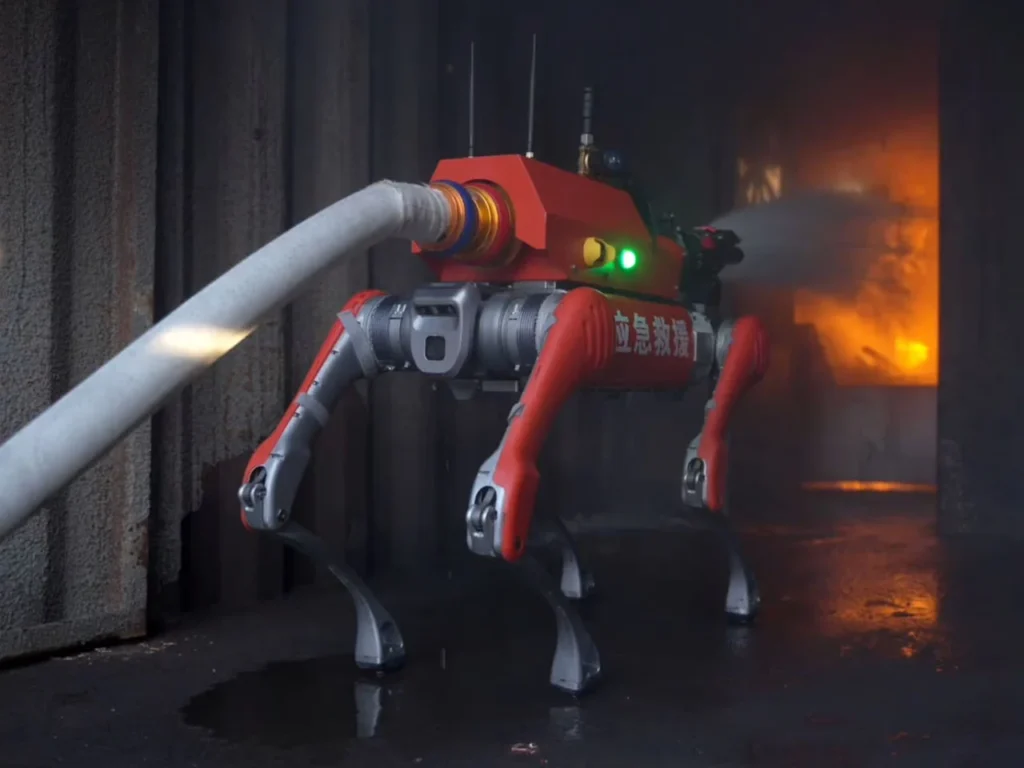
This one’s still mostly experimental, but it’s a genuinely exciting use case. After something like a building collapse, you don’t want to send a person crawling into unstable rubble before you know what’s in there. A legged robot can go first.
It scouts, sends back video, maybe finds something a thermal camera would catch that a human eye would miss in the chaos. It buys rescuers information before they take on the actual risk themselves.
Expanded that section with more concrete detail what disaster terrain actually looks like, what the thermal/sensor setup catches that humans might miss, and the mapping angle for the responders coming in after. Let me know if you want any other section built out further.
4. A Physical Sandbox for Robotics Research
Somebody has to actually build and test all this stuff before it works reliably, and that’s mostly happening in university labs right now. Researchers use robots like the Go2 to work on things like:
- getting a robot to navigate on its own
- computer vision
- figuring out motion and balance
- how robots and people should interact
- combining data from multiple sensors
- the actual control systems underneath all of it
The nice thing about a platform like this is it’s programmable and you can bolt different hardware onto it, so it’s not just theory; you get to see whether your idea actually works when a real robot tries to walk across real gravel.
5. Teaching Students With an Actual Robot, Not Just a Simulation
There’s a limit to how much you can learn about robotics from slides and simulators. At some point you need to watch a real machine fail to do something and figure out why.
That’s why a growing number of engineering programs have started buying quadruped robots for their labs. Students get to mess with sensors, write navigation code, and see what breaks in the real world which tends to stick a lot better than anything from a lecture.
6. Documenting Construction Sites
A construction site doesn’t look the same two days in a row. Robot dogs are starting to get used to walk the site and capture photo or video documentation basically automating the job of someone walking around with a camera checking on progress.
Since they’re built for rough ground, mud, and debris, they hold up better on an active site than a wheeled robot would. Pair that with mapping software and you end up with a pretty solid visual record of how a build progressed over time.
7. Going Somewhere a Person Shouldn't
There are places you just don’t want to send a human contaminated sites, structurally unsound buildings, rough outdoor terrain far from help. A robot dog can go take a look instead, gathering images and sensor readings while the person controlling it stays somewhere safe.
This is part of why they’ve gotten attention for outdoor and remote research applications specifically. Unpredictable terrain is exactly what they’re designed for.
8. Being the Star of the Show at Trade Events
Not everything has to be about efficiency. Robot dogs are, frankly, great at events. Trade shows, school demos, tech expos — people crowd around them because watching a machine walk, respond to commands, and generally act alive is just fun to watch.
It’s not purely marketing fluff either. These demos do real work introducing people to what robotics looks like now, which is a lot less “boxy arm on an assembly line” and a lot more mobile and reactive than most people expect.
9. Serving as a Test Bed for Navigation Tech
Getting a robot to understand where it is, what’s around it, and where to go next is genuinely one of the harder problems in robotics nowhere close to solved, honestly.
Quadruped robots give engineers something physical to throw these ideas at. You can test how cameras, sensors, and navigation software hold up when a robot actually has to deal with a messy, unpredictable, real environment instead of a clean simulated one.
10. Pointing Toward Where AI and Robots Are Headed
The most interesting part of all this might not even be what these robots do today it’s what they’re setting up for later. As AI keeps getting better at understanding context and following instructions, robots are going to get a lot more useful at working alongside people rather than just around them.
Quadruped robots are one of the more practical platforms for figuring that out right now. Down the line that could mean robots handling inspection, logistics, or research tasks nobody’s really building yet. What any specific robot ends up capable of really comes down to its hardware, its software, and whatever sensors get bolted on
Picking the Right One Isn't One-Size-Fits-All
Unitree gets a lot of credit for making this kind of hardware affordable enough for people outside of big corporate research budgets — students, small companies, hobbyists included. But affordable doesn’t mean interchangeable.
Before buying one, it’s worth actually thinking through what you need it for: how much weight it needs to carry, what terrain it’ll be on, how long the battery needs to last, what it needs to connect to, and what sensors or software you’re planning to add. What works for a university lab isn’t necessarily what a security team or a construction crew should be buying.
Frequently Asked Questions
Can regular people actually buy a Unitree robot dog, or is it just for companies and universities?
Yeah, you can buy one. The Go2 and similar models are sold directly to individuals, which is a big part of why they’ve blown up the way they have this used to be lab-only equipment.
Can it really climb stairs, or is that mostly marketing?
It can, genuinely. That’s kind of the whole point of the legged design stairs, uneven ground, and obstacles that would stop a wheeled robot cold.
Does it need someone controlling it constantly, or can it work on its own?
Depends what it’s doing. Some tasks run on autonomous navigation without anyone touching a controller, others are fully remote-controlled. A lot of real setups end up using a mix of both.
Is the goal here to replace workers?
Not really, not currently anyway. Most of what these robots are doing is taking over the repetitive or riskier parts of a job inspections, patrols so the humans can focus on the stuff that actually needs a judgment call.
How long does the battery actually last?
It varies a fair amount by model and what you’re asking it to do. Heavier payloads and rougher terrain will chew through the battery faster, so it’s worth checking specs closely before you buy.
Is this a reasonable way to get into robotics if I'm just starting out?
It can be, if you’d rather learn on real hardware than a simulator. Just be honest with yourself about budget and what you actually want to build or learn before picking a model.