Quadruped Robot Dog Rescue: Transforming Disaster Response on the Frontlines
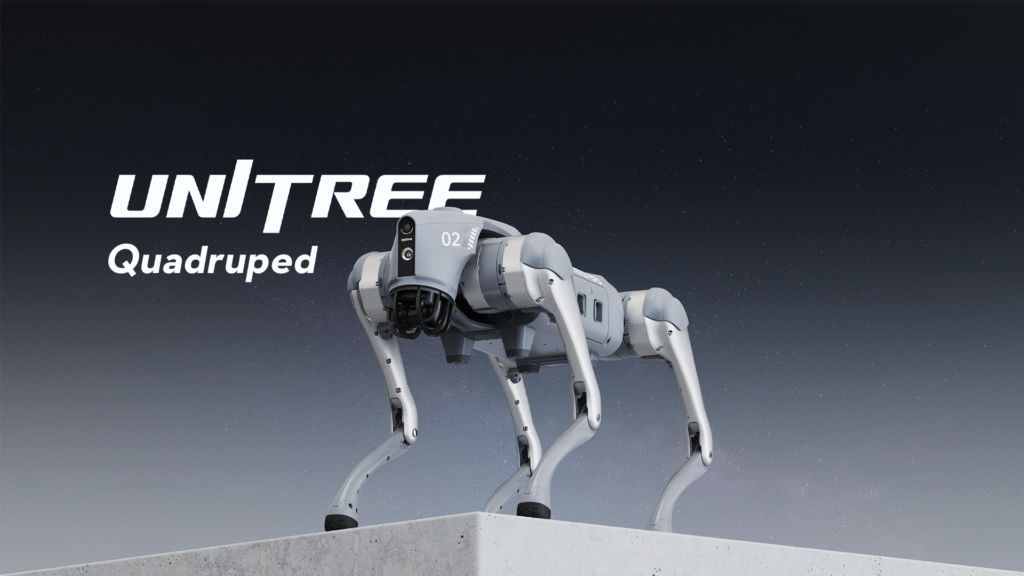
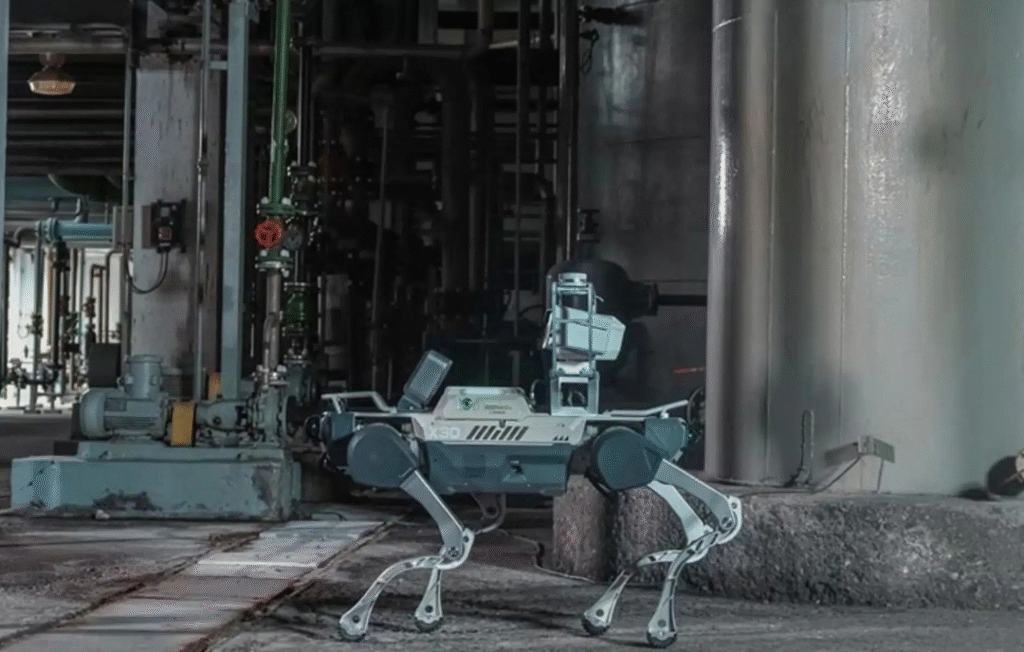
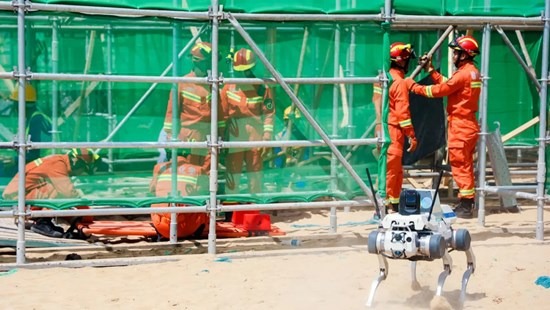
Quadruped robot dog rescue is rapidly emerging as one of the most compelling examples of how embodied AI can protect human life in high‑risk environments. In large‑scale disaster drills and real emergencies, four‑legged robots are now being sent in ahead of human teams to scout unstable structures, burning industrial sites, and toxic leak zones that would be too dangerous for first responders to enter. Quadruped robot dog rescue units can climb steep stairs, thread through scaffolding, and scramble over rubble with a stability that wheeled robots struggle to match, turning previously inaccessible “red zones” into areas that can be mapped, monitored, and made safer before human crews move in.
What makes quadruped robot dog rescue so effective is the fusion of mobility and sensing. These robots carry arrays of cameras, thermal imagers, gas and temperature sensors, and 3D scanners that continuously stream data back to a command center. As they move through collapsed buildings or complex industrial plants, they build live 3D models of the scene, tag hotspots, detect hazardous gases, and even help locate trapped people using vision analytics. Commanders no longer rely solely on radio reports and guesswork; instead, they receive rich, digital situational awareness driven directly by the quadruped robot dog rescue platforms operating on the front line. This closes dangerous information gaps and supports faster, more confident decision‑making when every second counts.
Beyond drills, the growing reliability of quadruped robot dog rescue systems signals a shift in how emergency agencies will design future response doctrines. As these robots prove they can operate in floods, fires, explosions, and chemical incidents, they become integrated not just as experimental gadgets but as core assets alongside trucks, ladders, and drones. Their ability to work collaboratively, carry modular payloads, and log detailed post‑incident data creates a repeatable, scalable model for tech‑enabled rescue operations. Over time, quadruped robot dog rescue technology is likely to redefine the first phase of any major incident: machines go in first, gather and share critical intelligence, and only then do human teams advance with a far clearer picture of the risks they face.
Core Capabilities: Mobility, Sensors and Payloads
Core capabilities are what turn quadruped robot dog rescue platforms from novelties into dependable teammates for firefighters and search-and-rescue crews. Built around four independently controlled legs, rich sensor suites, and modular payload rails, these machines can go where people and wheeled robots struggle, then stream back exactly the data incident commanders need. In any serious quadruped robot dog rescue deployment, mobility, perception, and payload flexibility are tuned to withstand heat, smoke, debris, and long operational hours without failing when it matters most.
-
All-terrain mobility
Advanced leg design and gait control let quadruped robot dog rescue units climb steep stairs, walk over rubble, squeeze through scaffold structures, and cross puddles or uneven ground without tipping. Dynamic balancing algorithms keep the robot stable when pushed, jolted, or hit by shockwaves, so it can push deeper into red zones while humans remain at a safe distance. -
Environmental sensing and situational awareness
Mounted cameras, thermal imagers, depth sensors, and sometimes 3D LiDAR give quadruped robot dog rescue platforms a 360-degree view of chaotic sites. They can spot hotspots, smoke layers, structural deformation, or chemical leaks, then stream live video and sensor overlays to command centers, turning blind spots into rich, actionable situational awareness. -
Life-safety and victim localization payloads
Specialised payloads—such as microphones, CO₂ and VOC gas sensors, thermal modules, and sometimes radar—help quadruped robot dog rescue teams detect trapped persons behind debris or inside smoke-filled rooms. These add-ons let robots confirm breathing, movement, or heat signatures before crews commit to risky entries. -
Communications and networking modules
High-bandwidth radios and self-organising mesh networks allow quadruped robot dog rescue units to act as moving relay nodes. Even inside steel structures or underground spaces, they can carry data out from dead zones, keep drones and handheld devices connected, and maintain a live digital twin of the evolving incident. -
Utility payloads for support tasks
Rails and mounts on the back or sides let the robot carry tools, medical kits, fire extinguishers, or wireless beacons into hard-to-reach spots. In some setups, manipulators or articulated mounts can open doors, drag hoses, or place sensors, extending what a quadruped robot dog rescue platform can do beyond reconnaissance into direct, hands-on support for human teams.
Real-Time Data, 3D Mapping and Command Center Integration
Real-time data is the backbone of effective quadruped robot dog rescue operations, turning each robot into a roaming sensor hub that keeps the command center constantly informed. As the robot navigates collapsed scaffolding, fire scenes, or leak zones, cameras, thermal imagers, gas sensors, and inertial units stream live telemetry and video back over secure wireless links. This continuous flow of information allows quadruped robot dog rescue teams to see beyond smoke and debris, track environmental changes second by second, and adjust tactics without waiting for human scouts to report back from dangerous areas.
On top of raw feeds, many systems now build live 3D maps of the incident using LiDAR or multi-view reconstruction, which are projected on large screens or digital twins in the control room. Commanders can rotate, zoom, and annotate these models to understand line-of-sight, potential collapse paths, and safe entry routes for human crews. When a quadruped robot dog rescue unit tags a hotspot, gas spike, or suspected victim location, that point is pinned directly onto the 3D map and shared with all responders, ensuring everyone works from the same, up-to-date picture of the scene rather than fragmented views.
This tight command-center integration turns quadruped robot dog rescue platforms into more than just remote cameras—they become intelligent extensions of the incident command system. Recorded data supports post-incident analysis, training, and compliance reporting, while APIs allow video, sensor logs, and map layers to flow into dispatch, GIS, and decision-support tools. Over time, patterns learned from many missions can train AI models to suggest search patterns, predict risk zones, or highlight anomalies automatically. In this way, quadruped robot dog rescue technology helps shift emergency response from reactive, radio-based coordination to a data-driven, visual, and collaborative model that measurably improves safety and speed.
Future Trends: Smarter Autonomy and Wider Deployment
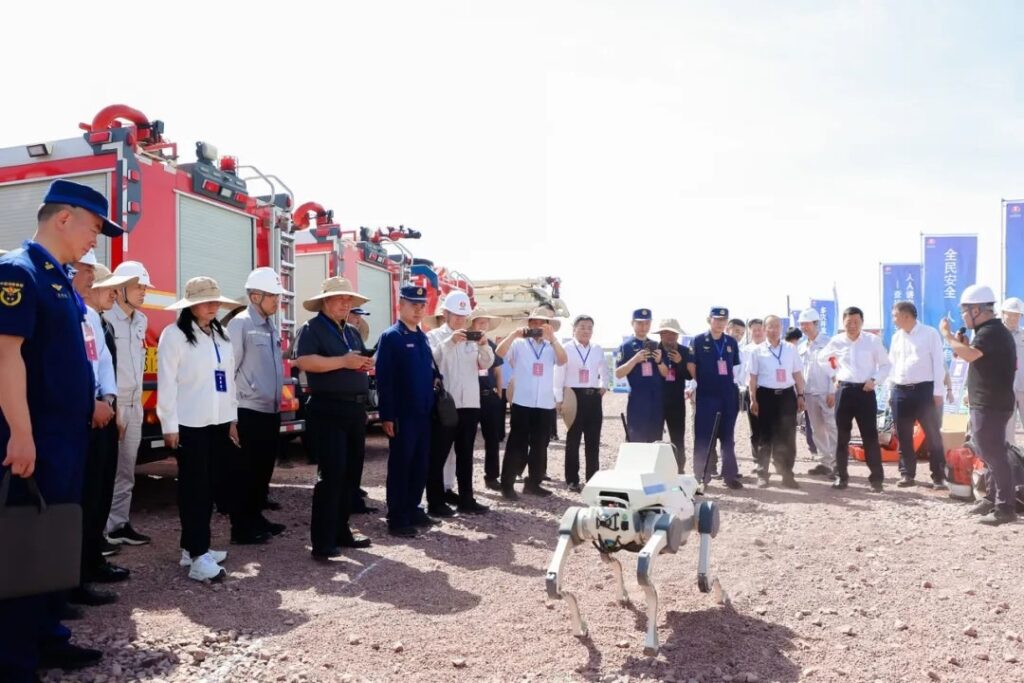
Future trends in quadruped robot dog rescue are defined by rapid advances in autonomy, intelligence, and ubiquity. As AI, machine perception, and hardware continue to evolve, quadruped robot dog rescue platforms will increasingly make mission-critical decisions on their own—navigating even more complex terrain, prioritizing victims, and adapting search strategies with less human intervention. Improvements in locomotion, battery life, and real-time sensor fusion will allow rescues to be more agile, persistent, and responsive to dynamic disaster environments.
The next generation of quadruped robot dog rescue will see smarter AI for navigation, situation assessment, and collaborative teamwork. Expect robots that can learn from experience, share maps and hazard data seamlessly across teams, and adjust tactics on the fly based on evolving conditions or new discoveries in the field. Fleet-level deployments, where multiple robots coordinate with drones and other assets, will enable blanket coverage of large, multi-hazard sites, while smart docking and battery-swapping will push endurance to hours, or even days, at a time.
Conclusion
Quadruped robot dog rescue is reshaping how emergency teams approach the most dangerous phase of an incident: the first entry into unknown, unstable terrain. Instead of sending humans blind into collapsed scaffolding, leaking tank farms, or smoke-filled industrial plants, responders can deploy agile four‑legged robots to scout ahead, stream real-time data, and flag life‑threatening hazards before firefighters cross the threshold. This shift does more than add a new gadget to the toolkit; it rewrites the risk calculus of frontline operations, with quadruped robot dog rescue platforms carrying the initial burden of exposure in places where visibility is low and the stakes are high.
At the same time, quadruped robot dog rescue systems are becoming powerful, networked sensing nodes that feed rich intelligence into digital command centers. Onboard cameras, thermal imagers, gas and temperature sensors, and 3D scanners give incident commanders a unified view of evolving conditions rather than scattered radio reports. When these robots help build live 3D maps, tag suspected victims or hotspots, and relay environmental readings from deep inside the hazard zone, every subsequent human decision—where to cut, vent, or search—is grounded in data rather than guesswork. In this way, quadruped robot dog rescue technology closes long‑standing information gaps that have historically slowed and complicated complex operations.