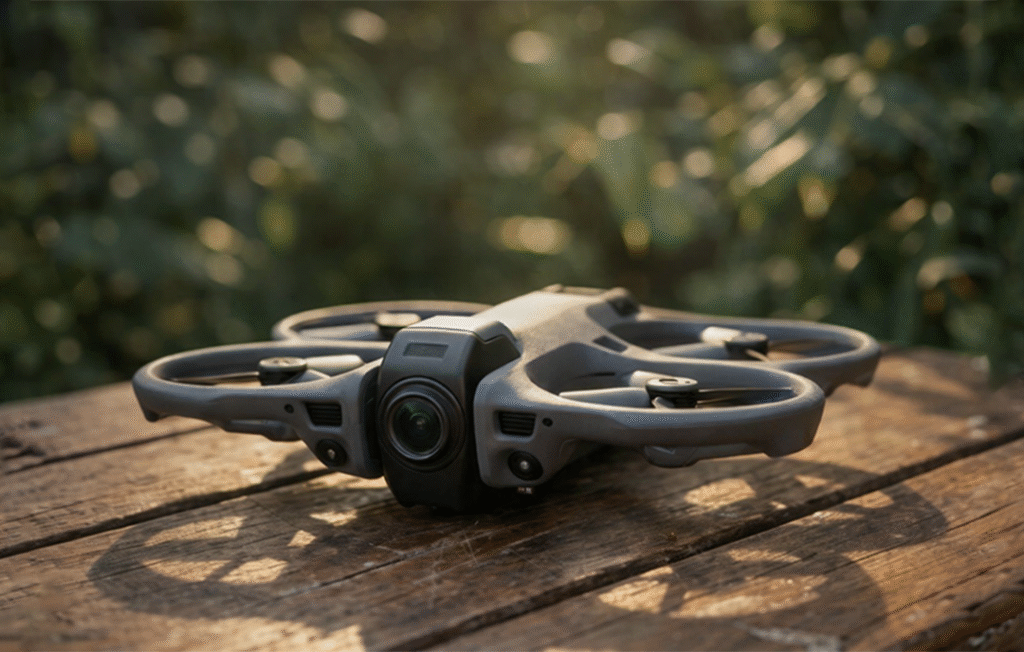
DJI Avata 360 in Action: Imagining Real Filming Workflows for Creators
For drone creators, the hardest part of filming isn’t flying—it’s deciding where to point the camera. Every FPV run, every sweeping reveal, and every fast-moving subject comes with the same pressure: miss the angle once, and the shot is gone. This is where 360° capture changes the conversation. Instead of committing to a single frame mid-flight, creators can focus entirely on movement, timing, and storytelling. With the expected arrival of the DJI Avata 360, that freedom could finally come to an FPV-style platform built for immersive, high-energy filmmaking.
Rather than treating DJI Avata 360 as just another drone with new hardware, it’s more interesting to imagine how creators might actually use it in the real world. Think travel vloggers flying through narrow streets and open landscapes while capturing every direction at once. Picture real estate professionals creating virtual tours where viewers can explore entire properties freely. Add action sports into the mix—mountain biking, skateboarding, parkour—where speed and unpredictability often decide whether a shot works or fails. In these scenarios, 360° capture isn’t a gimmick; it’s a safety net that lets creators reframe, stabilize, and extract multiple cinematic angles from a single flight.
This hands-on preview focuses on expected filming workflows rather than specifications. Using creative scenarios, example scenes, and mock storyboards, we’ll explore how DJI Avata 360 could fit into travel content, adrenaline sports, event coverage, and immersive VR experiences. The goal isn’t to predict final features, but to understand why full-scene capture matters—and how it could reshape the way creators plan, fly, and edit their drone footage.
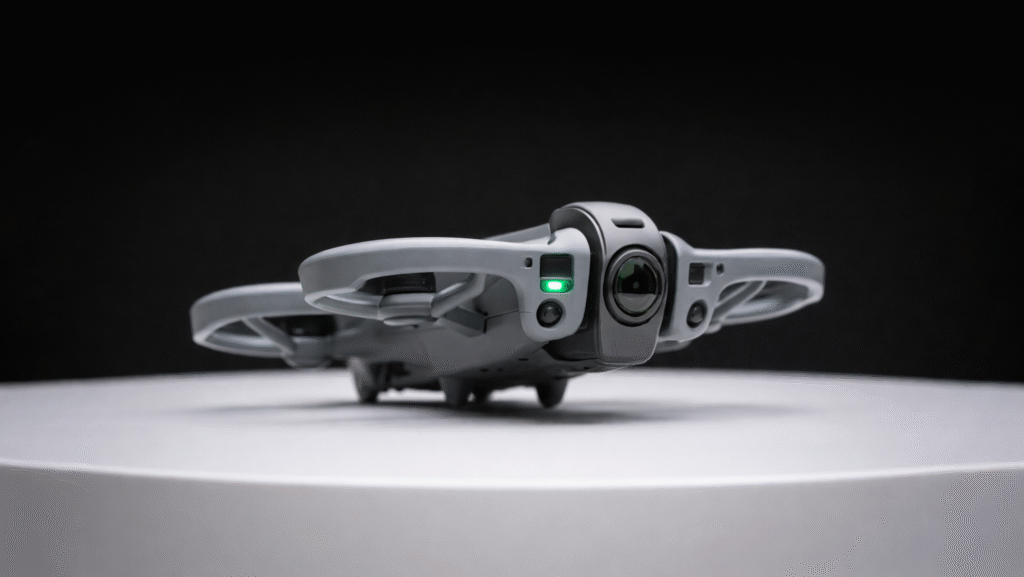
Why 360° Capture Changes the Way Creators Fly
Traditional drone flying forces creators to think like camera operators first and pilots second. Every move is dictated by where the lens is pointing—tilt too much, miss the subject; turn too late, lose the moment. With 360° capture, that mindset begins to shift. Instead of constantly “aiming the camera,” creators can focus on flying the story. The expected workflow with DJI Avata 360 is less about locking in a single frame mid-air and more about designing smooth motion, dynamic paths, and immersive movement that can be shaped later in post-production.
This change is especially powerful for FPV-style flying. Complex runs through tight spaces, fast chases, or unpredictable environments usually come with high pressure because there’s no second chance. DJI Avata 360 could significantly reduce that stress by capturing the entire scene in every direction. Creators no longer need to predict exactly where the action will happen—they can commit fully to the flight line, speed, and flow. Whether it’s diving a mountain trail or weaving through architecture, the priority becomes clean motion rather than perfect framing.
Perhaps the biggest advantage of DJI Avata 360 is the freedom it gives after the flight is over. One carefully planned run can generate multiple cinematic angles—wide reveals, tight follow shots, dramatic pull-backs—all extracted from the same 360° clip. Instead of flying multiple takes to get different perspectives, creators can capture once and decide the final story later. With DJI Avata 360, flying becomes more intuitive, creative, and forgiving, allowing storytellers to focus on emotion, movement, and immersion rather than worrying about missed angles.
Travel & Destination Storytelling: Capture the Entire Experience
Travel content is about more than locations—it’s about atmosphere, movement, and emotion. With 360° capture, creators are no longer limited to choosing between showcasing themselves or the destination. The DJI Avata 360 allows travel vloggers and tourism filmmakers to record every angle in a single flight, preserving spontaneous moments, environmental details, and natural motion. This approach turns each flight into a flexible storytelling asset that can be reshaped for different platforms and audiences.
Flying Through Streets, Beaches, and Landmarks
The DJI Avata 360 enables fluid flights through narrow streets, open beaches, and iconic landmarks while capturing the full environment. Creators can focus on smooth motion and timing, knowing every direction is being recorded. This results in immersive travel footage that feels natural, dynamic, and deeply connected to the location.Capturing the Subject and Surroundings Together
With DJI Avata 360, vloggers don’t have to choose between filming themselves or the scenery. The camera records both simultaneously, allowing creators to highlight reactions, surroundings, and movement in one continuous shot. This creates a more personal and engaging travel narrative without interrupting the flow of the journey.One Flight, Multiple Content Formats
A single flight with DJI Avata 360 can be repurposed into multiple edits. Wide cinematic views for YouTube, vertical reframes for Shorts, and fast-paced highlights for Reels can all come from the same footage. This makes travel content creation more efficient while maximizing creative output across platforms.Example Scene: Host-Centered and Environmental Storytelling
Imagine a walking host as the DJI Avata 360 orbits smoothly, capturing facial expressions, surrounding architecture, and passing life in one shot. Later, creators can choose whether to focus on the host’s story, the destination’s scale, or both—without needing multiple takes or re-shoots.
Immersive VR & Spatial Storytelling
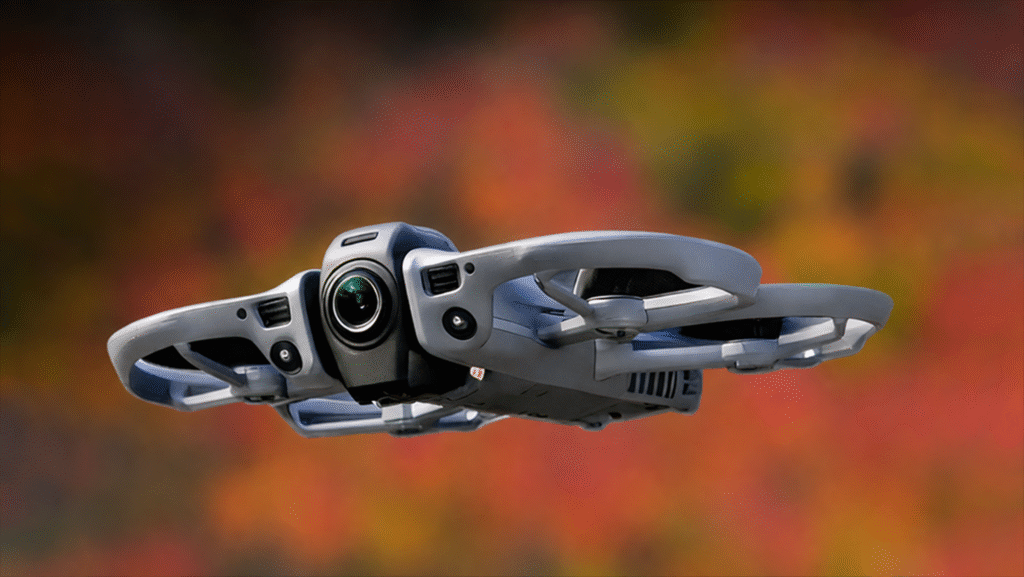
For future-facing creators, immersive content is quickly becoming the next evolution of visual storytelling. VR and spatial media demand more than cinematic angles—they require full environmental awareness. This is where 360° aerial capture becomes essential. With platforms like DJI Avata 360, creators can design experiences where viewers don’t just watch a scene, but exist inside it. Instead of guiding attention through cuts and camera moves, storytellers allow audiences to explore freely, creating a deeper sense of presence and realism.
Immersive workflows open the door to powerful use cases such as virtual tourism, interactive educational content, and branded experiences. A single flight can place viewers inside historic sites, natural landscapes, or live events, letting them look around at their own pace. For educators and brands, this means creating memorable experiences that feel personal and engaging rather than passive. As VR adoption grows, spatial storytelling with tools like DJI Avata 360 could become a core skill for creators building the next generation of immersive content.
Adrenaline Sports & Action Cinematics
Action sports filmmaking is one of the most demanding areas of aerial cinematography. Speed, unpredictability, and high-risk environments leave little room for mistakes, especially when shots need to be framed perfectly in real time. Mountain biking, skateboarding, parkour, and motocross all involve rapid direction changes and split-second moments that are impossible to fully anticipate. This is where DJI Avata 360 has the potential to offer a major advantage, shifting the focus from chasing perfect framing to capturing pure motion and energy.
In traditional FPV action filming, pilots must constantly guess where the athlete will move next. A sudden turn, jump, or trick can instantly push the subject out of frame, forcing multiple re-takes or compromising the shot. With DJI Avata 360, that pressure is significantly reduced. By recording the entire scene in every direction, creators no longer need to predict athlete movement with precision. Instead, they can focus on maintaining a smooth chase line, consistent distance, and dynamic speed—all of which are critical for immersive action visuals.
This freedom becomes especially valuable during long, complex chase sequences. Imagine following a mountain biker down a forest trail or tracking a skateboarder through an urban park. With DJI Avata 360, one continuous flight can yield multiple cinematic perspectives in post-production. An overhead chase angle can emphasize speed and terrain, a side profile can highlight body movement and technique, and a dramatic pull-away can provide a powerful ending—all extracted from the same raw footage. The ability to switch perspectives without reshooting allows creators to experiment more freely during editing.
Beyond efficiency, DJI Avata 360 also encourages bolder flying. Pilots can commit fully to aggressive lines, tight gaps, and fast transitions without constantly adjusting camera angles mid-flight. This results in smoother motion and more confident flying, which directly translates into more engaging visuals. For action creators, the drone becomes less of a camera platform and more of a storytelling tool that mirrors the intensity of the sport itself.
As action sports continue to push creative boundaries, tools like DJI Avata 360 could redefine how these stories are captured. By enabling creators to fly once and craft multiple high-impact shots later, 360° capture supports both creative freedom and technical reliability. For adrenaline-driven filmmaking, that combination may be the difference between simply recording action and truly immersing the viewer in it.
Editing & Reframing Workflows
The real creative flexibility of 360° capture begins after the drone lands. Instead of committing to a single angle during flight, creators can open their footage in post-production and decide how the story should unfold. With DJI Avata 360, one raw clip becomes a creative canvas, allowing editors to explore multiple perspectives from the same moment. This workflow shifts effort away from repeated flights and toward thoughtful editing, where pacing, emotion, and visual impact can be refined with precision.
Reframing is at the core of this process. Editors can extract traditional flat video angles from 360 footage—wide establishing shots, tight follow angles, or dramatic reveals—without sacrificing quality or continuity. A single chase sequence can be reframed into cinematic horizontal edits for YouTube, vertical cuts for Shorts and Reels, or even square formats for social feeds. DJI Avata 360 makes it possible to tailor content for multiple platforms from one flight, reducing production time while expanding creative output.
Stabilization and horizon control further enhance the final result. Even during aggressive FPV-style movement, creators can smooth out footage and maintain a natural horizon in post, creating visuals that feel controlled yet energetic. This balance between raw motion and refined presentation is what makes 360 workflows so powerful. With DJI Avata 360, post-production becomes less about fixing mistakes and more about shaping the best possible version of the story captured in the air.
Final Thoughts: Flying First, Framing Later
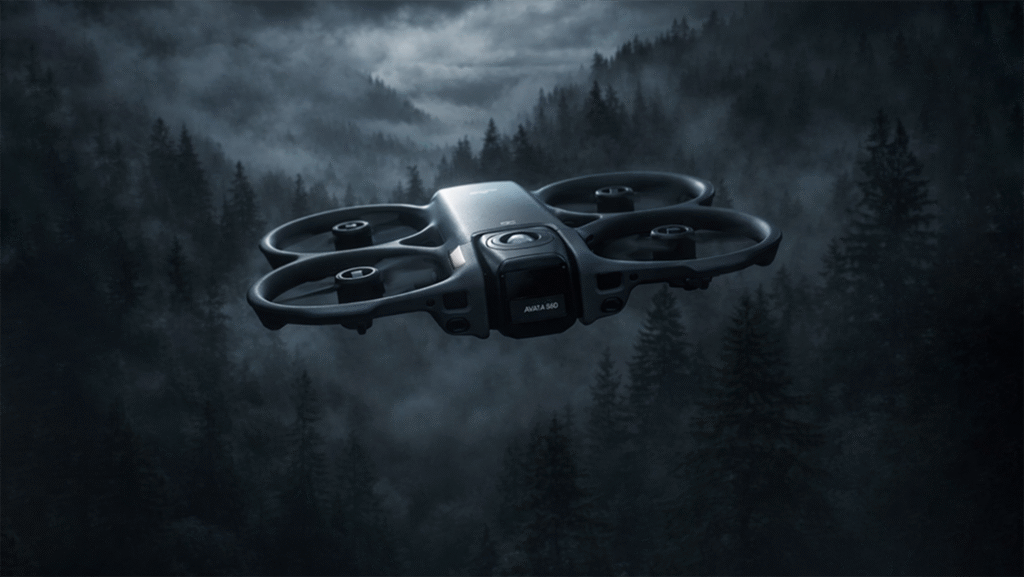
At its core, 360° capture represents a fundamental shift in how creators approach aerial storytelling. Instead of worrying about camera angles mid-flight, pilots can focus on motion, rhythm, and emotion. This “flying first, framing later” mindset unlocks true creative freedom, allowing creators to commit fully to the experience they’re capturing rather than the technical constraints of a single lens view. The result is footage that feels more natural, immersive, and expressive.
This approach also brings a practical advantage: fewer reshoots. Missed angles, unexpected movements, or changing environments no longer mean starting over. With DJI Avata 360, one well-executed flight can deliver multiple usable shots, saving time, battery cycles, and creative energy. That efficiency is especially valuable for fast-paced shoots, complex locations, and action-driven content where repeating a run isn’t always possible.
Ultimately, DJI Avata 360 has the potential to reshape creator workflows from the ground up. By separating the act of flying from the act of framing, it encourages bolder movement, smoother shots, and more intentional storytelling in post-production. For creators looking to push boundaries and work smarter without sacrificing creativity, this shift could mark the beginning of a more flexible and intuitive way to capture aerial stories.