DJI Avata 360 for Creators: FPV Flying and 360° Filmmaking in One Drone
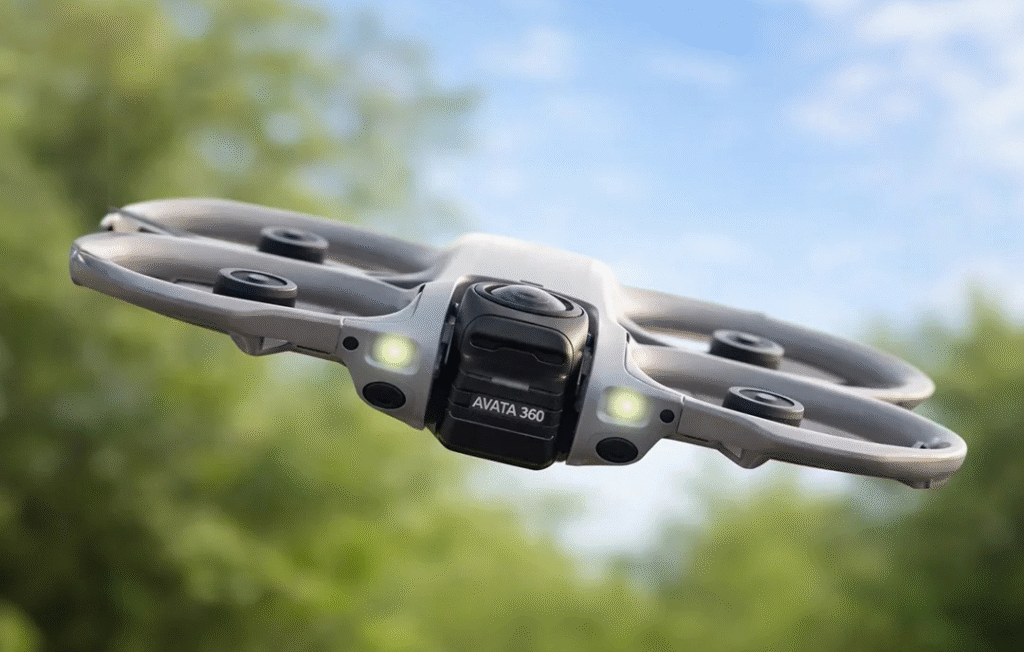
The DJI Avata lineup has always been about blurring boundaries between cinematic drones and true FPV flight, but the upcoming DJI Avata 360 appears ready to push that idea much further. Based on recent leaks and early images, DJI seems to be working on a hybrid drone that combines immersive FPV performance with full 360-degree video capture in a single compact platform. If these details hold true, the Avata 360 won’t just be an incremental upgrade—it could represent a fundamental shift in how aerial creators approach filming, storytelling, and post-production workflows.
What makes the DJI Avata 360 especially intriguing is its rumored dual-mode camera system, potentially featuring a rotating or dual-lens setup that allows pilots to switch between forward-facing FPV footage and complete spherical capture. Traditional FPV drones prioritize speed, agility, and a locked-in perspective, while 360 cameras focus on capturing everything at once for maximum creative freedom later. By merging these two worlds, DJI may be offering creators the best of both—high-energy FPV flight combined with the ability to reframe shots, stabilize footage, and explore immersive VR-style perspectives long after the drone has landed.
For creators, this hybrid approach could significantly simplify gear choices. Instead of carrying a dedicated FPV drone and a separate 360 camera drone—or mounting fragile third-party cameras—one platform could handle both roles seamlessly. From action sports and travel filmmaking to social media content and immersive experiences, the DJI Avata 360 has the potential to change how aerial footage is captured and edited. In this article, we break down how the dual-mode concept works, what creative possibilities it unlocks, and why the Avata 360 could be one of DJI’s most important FPV releases yet.

What Makes DJI Avata 360 a Hybrid Drone?
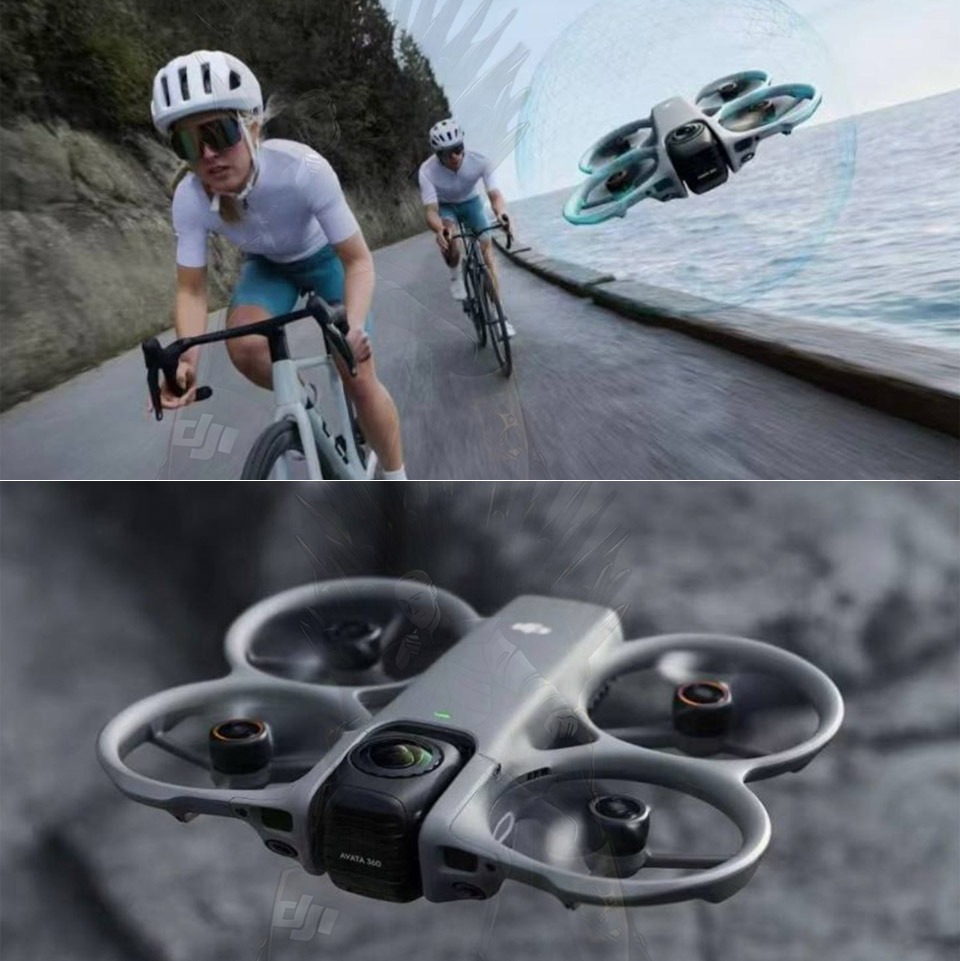
At its core, the DJI Avata 360 is designed to bridge two very different worlds of aerial filmmaking—high-speed FPV flight and immersive 360-degree video capture. Traditionally, FPV drones are built for agility, speed, and a fixed forward-facing perspective, giving pilots an intense, cockpit-like flying experience. On the other hand, 360 camera drones focus on capturing everything around them at once, prioritizing creative flexibility in post-production over aggressive flight performance. The DJI Avata 360 aims to combine these two approaches into a single, unified platform.
This hybrid concept is what makes the DJI Avata 360 so compelling—and so technically challenging. FPV drones demand precise weight balance, minimal drag, and rapid response to pilot inputs, while 360 camera systems require exposed lenses, additional sensors, and powerful processing for stitching and stabilization. Merging these requirements into one compact drone means DJI must carefully manage aerodynamics, heat, battery efficiency, and durability, all without compromising the immersive FPV experience pilots expect. The DJI Avata 360 is not just adding a 360 camera to an FPV drone; it is rethinking how both systems coexist and function together.
Within DJI’s FPV ecosystem, the DJI Avata 360 appears to sit as a creative evolution rather than a replacement. It builds on the accessibility and safety-focused design of the Avata series while expanding its creative potential far beyond traditional FPV footage. By offering both forward-facing FPV video and full spherical capture, the DJI Avata 360 could give creators the freedom to fly dynamically in the moment and decide on framing, angles, and storytelling later in post-production. This hybrid approach is what sets it apart—and why it could represent a major shift in how FPV drones are designed and used.
Dual-Mode Camera System: How FPV and 360° Capture Work Together
The standout innovation of the DJI Avata 360 lies in its dual-mode camera system, which is designed to seamlessly blend fast, forward-facing FPV capture with full 360-degree spherical recording. Rather than forcing creators to commit to one shooting style, DJI appears to be offering flexibility at the hardware and software level. This approach allows pilots to focus on flying while unlocking multiple creative outcomes from a single flight.
Forward-Facing FPV Camera Mode
The forward-facing FPV camera is expected to prioritize clarity, speed, and low-latency transmission, potentially offering 4K resolution with high frame rates
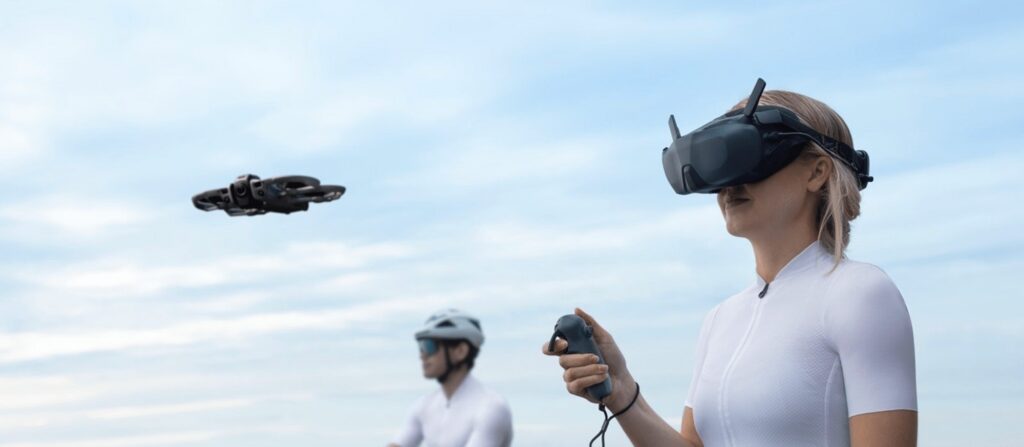
Designed for real-time immersion when used with DJI FPV Goggles, ensuring smooth and responsive control
Ideal for cinematic fly-throughs, chase shots, and high-speed maneuvers
Performance is likely comparable to or slightly improved over Avata and Avata 2, maintaining DJI’s stabilized FPV visual style
Full 360° Capture Mode
Leaks suggest a dual-lens or rotating camera mechanism capable of recording the entire surrounding environment
Instead of locking footage to a single direction, the drone captures spherical video that can be reframed later
This allows creators to extract multiple camera angles from one flight
Unlike standard drone footage, 360 capture prioritizes post-production flexibility and immersive storytelling
Switching Between Modes
The DJI Avata 360 is expected to allow users to switch between FPV and 360 capture modes through onboard software
Mode selection may occur before takeoff or dynamically during flight, depending on DJI’s final implementation
In-flight switching would enable creators to adapt instantly to changing scenes
DJI is likely balancing creative freedom with system stability and flight safety
Creative Possibilities Unlocked by 360° FPV Video
The DJI Avata 360 represents a significant leap forward for creators, blending the exhilarating dynamics of FPV flight with the immersive potential of 360° video capture. This combination transforms the way filmmakers, travel vloggers, and content creators approach aerial storytelling. By capturing the entire environment around the drone, pilots can now experiment with perspectives and narratives that were previously impossible without multiple devices or complex setups. The result is an unparalleled creative playground for both seasoned FPV enthusiasts and emerging creators.
Reframing Shots in Post-Production: One of the most powerful advantages of 360° FPV footage is the ability to reframe and adjust shots after the flight. Unlike traditional FPV drones, where every angle is locked during filming, the DJI Avata 360 allows creators to choose the optimal framing in post-production. This flexibility means you can focus on dynamic flying and action sequences in real time, knowing you can refine angles, pan direction, and shot composition later. It’s a game-changer for content efficiency, especially for multi-angle productions, vlogs, and cinematic sequences where precision matters.
“Invisible Drone” and Third-Person FPV Angles: 360° capture also enables a new class of cinematic effects, including “invisible drone” shots. By recording all directions, editors can create the illusion that the drone itself isn’t present, allowing for smooth third-person perspectives and dynamic chase sequences. Imagine filming a mountain biker or skateboarder where the camera seems to float independently around the subject, or capturing a cinematic fly-through in urban or natural landscapes without ever repositioning the drone. This technique elevates storytelling by making action sequences more engaging and immersive.
VR, Immersive, and Social-Media-First Content: The potential of spherical video extends beyond traditional filmmaking. VR experiences, interactive videos, and social-media-focused formats can all benefit from the DJI Avata 360’s full environment capture. Viewers can experience scenes from every angle, creating a sense of presence and engagement that conventional FPV footage cannot match. For creators targeting platforms like Instagram Reels, TikTok, or YouTube Shorts, this means offering unique, immersive content that grabs attention and keeps audiences hooked.
Action Sports, Travel, and Cinematic Storytelling: Whether it’s an adrenaline-pumping surf session, a high-speed mountain biking trail, or a sweeping travel adventure, the DJI Avata 360 allows creators to tell visually rich stories from multiple angles in a single flight. Its hybrid design reduces the need for multiple drones or cumbersome 360 rigs, giving creators the freedom to focus on capturing the narrative rather than worrying about logistics. Every adventure, journey, or scene becomes a versatile toolkit for both dynamic action sequences and cinematic storytelling, making it an essential creative companion for aerial filmmakers.
DJI Avata 360 vs Traditional FPV Drones
The DJI Avata 360 takes the FPV experience to a new level when compared to its predecessor, the Avata 2. While the Avata 2 excels at high-speed, forward-facing FPV flight with stabilized footage, it lacks the immersive 360-degree capture that the Avata 360 offers. By integrating a dual-mode camera system, the DJI Avata 360 allows creators to switch seamlessly between traditional FPV video and full spherical footage, offering unmatched creative flexibility in a single, compact platform.
Compared to using a separate FPV drone paired with a 360 camera like the Insta360, the DJI Avata 360 simplifies the workflow significantly. There’s no need for extra mounts, weight management, or complex post-production stitching, as everything is captured natively. The hybrid approach comes with trade-offs, such as potential slight compromises in extreme flight performance due to added camera mechanisms, but the benefits for content creators—reduced gear, streamlined shooting, and versatile footage—make the DJI Avata 360 a standout option for both immersive storytelling and high-octane FPV filming.
Why DJI Avata 360 Could Be a Turning Point for FPV Drones
The DJI Avata 360 represents more than just a new drone—it signals a potential shift in how FPV drones are designed and used. By integrating both high-speed FPV capabilities and full 360° video capture into a single platform, DJI challenges the traditional notion that creators must choose between agility and immersive filming. The hybrid concept of the DJI Avata 360 could inspire a new generation of drones built with versatility and creative freedom at the forefront.
Looking ahead, the DJI Avata 360 may influence the development of future DJI FPV products by setting a new benchmark for hybrid functionality. As creators experience the ability to capture both dynamic flight sequences and spherical footage simultaneously, demand for dual-mode systems and multi-perspective shooting is likely to grow. This could reshape DJI’s design philosophy, encouraging more drones that combine immersive capture with high-performance FPV flying. The DJI Avata 360, therefore, isn’t just a new release—it could be a turning point that redefines the possibilities for aerial storytelling and content creation.
FPV and 360° Capture Are No Longer Separate Worlds
The DJI Avata 360 demonstrates that creators no longer need to compromise between high-speed FPV flight and immersive 360° video capture. By combining both into a single hybrid platform, it offers unparalleled creative freedom, allowing pilots to focus on storytelling rather than juggling multiple devices or setups. The ability to capture every angle in a single flight transforms not just workflow, but the way content can be imagined and executed.
Even before its official launch, the DJI Avata 360 is generating excitement because it redefines what a versatile FPV drone can be. For filmmakers, action sports enthusiasts, and immersive content creators, it presents opportunities to push boundaries in ways previously only possible with multiple drones or cameras. As DJI refines its design and prepares for release, creators should watch closely for features like seamless mode switching, stabilization performance, and post-production flexibility—elements that could set a new standard for hybrid FPV drones.
In essence, the DJI Avata 360 is more than just a product—it’s a signal of the future of aerial storytelling, where speed, agility, and immersive capture coexist. For anyone looking to explore new creative perspectives and elevate their content, the Avata 360 promises to be a groundbreaking tool that turns ambitious ideas into reality.