We’ve explored space, mapped the Moon, and sent robots to Mars. Yet more than 80% of Earth’s oceans remain unexplored. Much of what lies beneath the water’s surface is still unknown not because we lack curiosity, but because underwater exploration is difficult, expensive, and often dangerous.
This is where underwater drones come in.
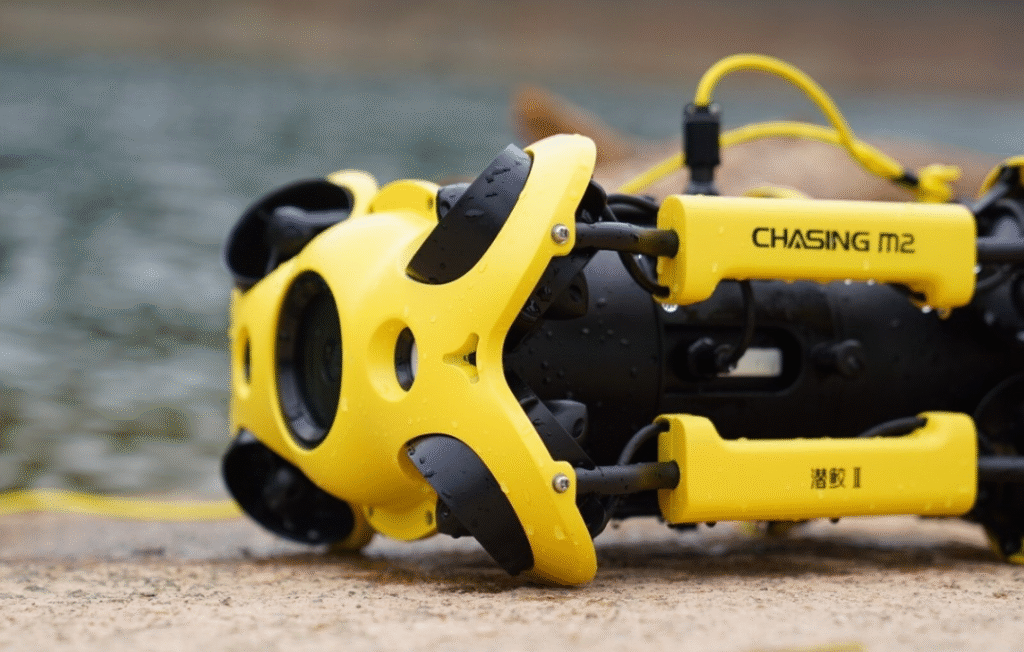
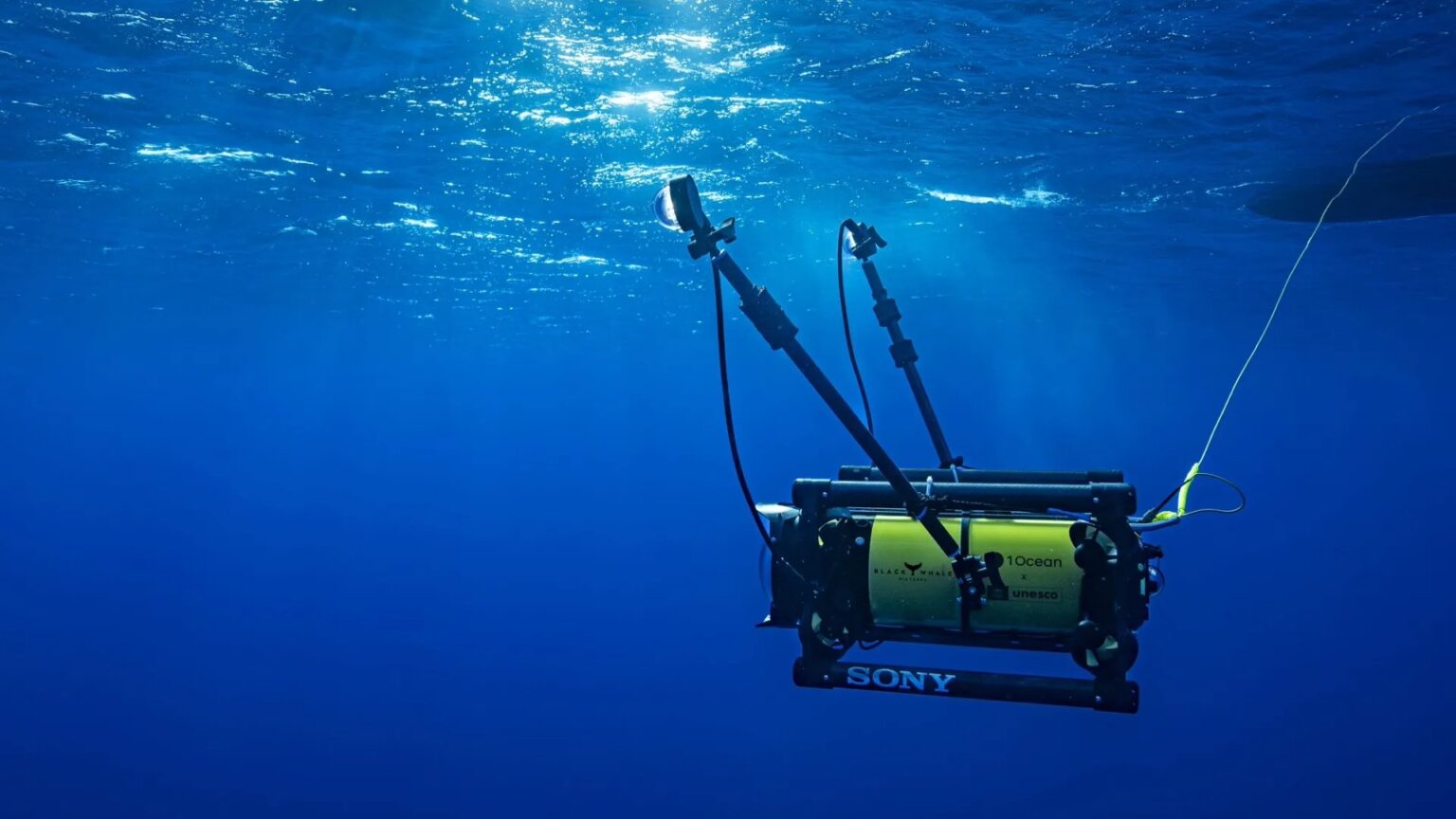
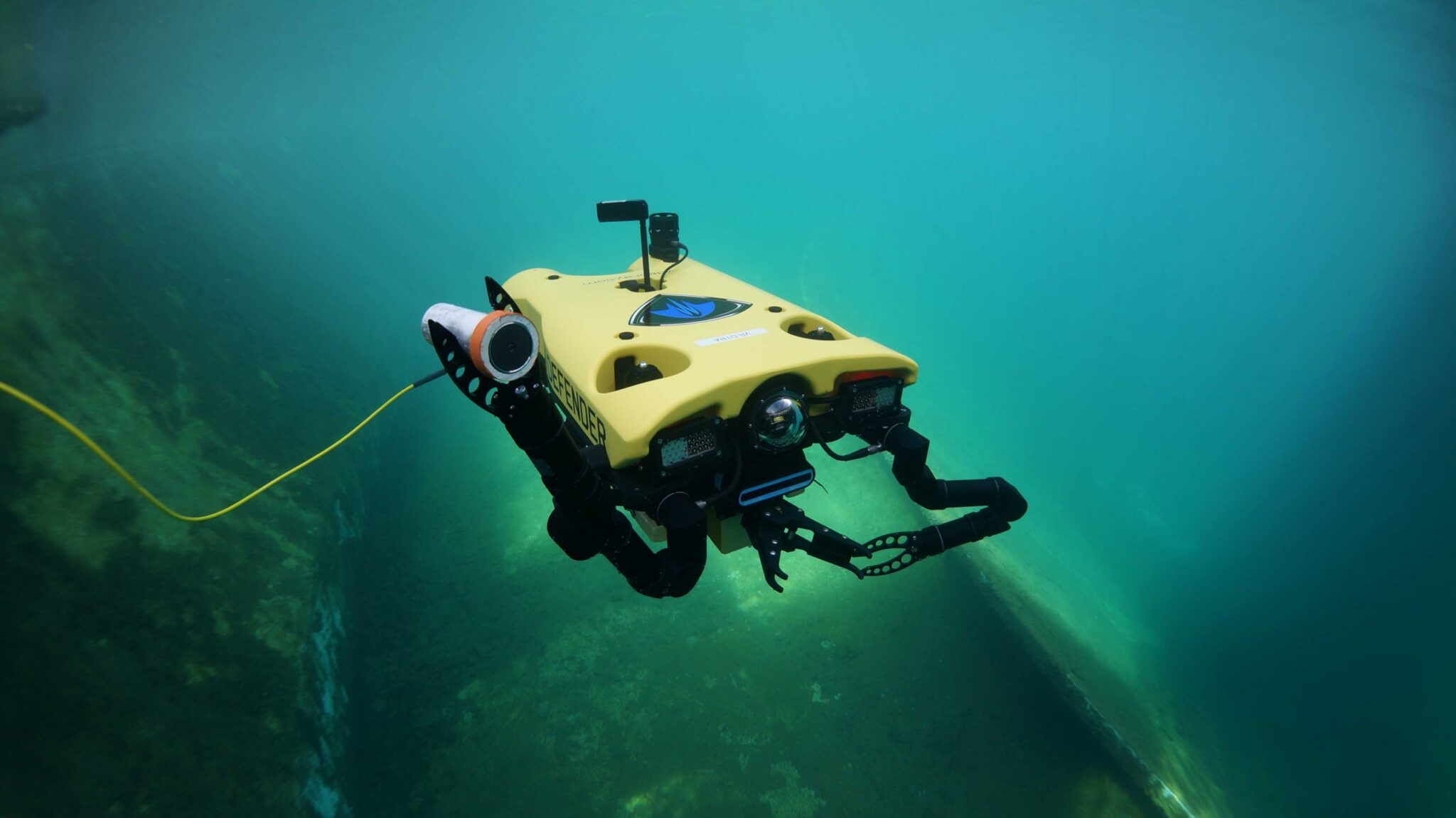
Also known as ROVs (Remotely Operated Vehicles), underwater drones are transforming how we inspect, explore, and understand aquatic environments. From research and rescue operations to infrastructure inspection and filmmaking, these drones are making underwater work safer and more accessible.
This beginner’s guide explains what underwater drones are, how they work, and what they are used for, in simple terms.
What Is an Underwater Drone?
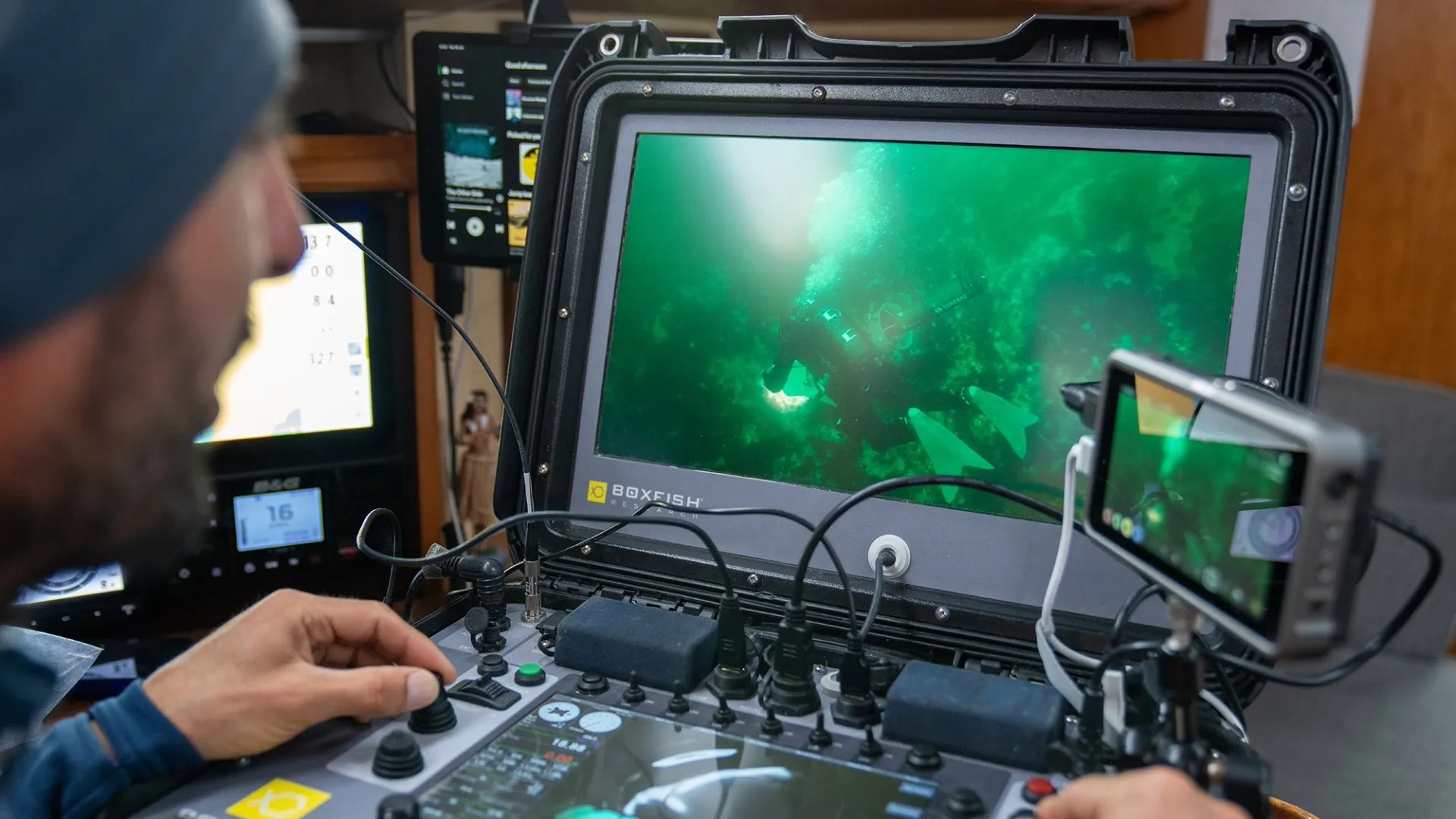
An underwater drone is a robotic device designed to operate below the water’s surface, controlled remotely from land or a vessel. It is equipped with cameras, lights, and sensors that transmit live visuals back to the operator.
In simple words, an underwater drone acts like a robotic diver but without the physical risk, time limits, or safety concerns associated with human diving.
There are two main types:
ROVs (Remotely Operated Vehicles):
These are tethered to the operator with a cable and controlled in real time. Most consumer and professional underwater drones fall into this category.AUVs (Autonomous Underwater Vehicles):
These are pre programmed to follow a set path and complete missions independently. They are mainly used for large scale research and surveying.
Why Are Underwater Drones Important?
Working underwater presents unique challenges:
Poor visibility
Strong currents
High pressure at depth
Safety risks to divers
High operational costs
Underwater drones solve these problems by allowing operators to:
Explore and inspect underwater areas remotely
Capture real-time video and data
Reduce risk to human life
Complete tasks faster and more efficiently
As a result, their use is growing across industries worldwide.
Marine Research & Ocean Exploration
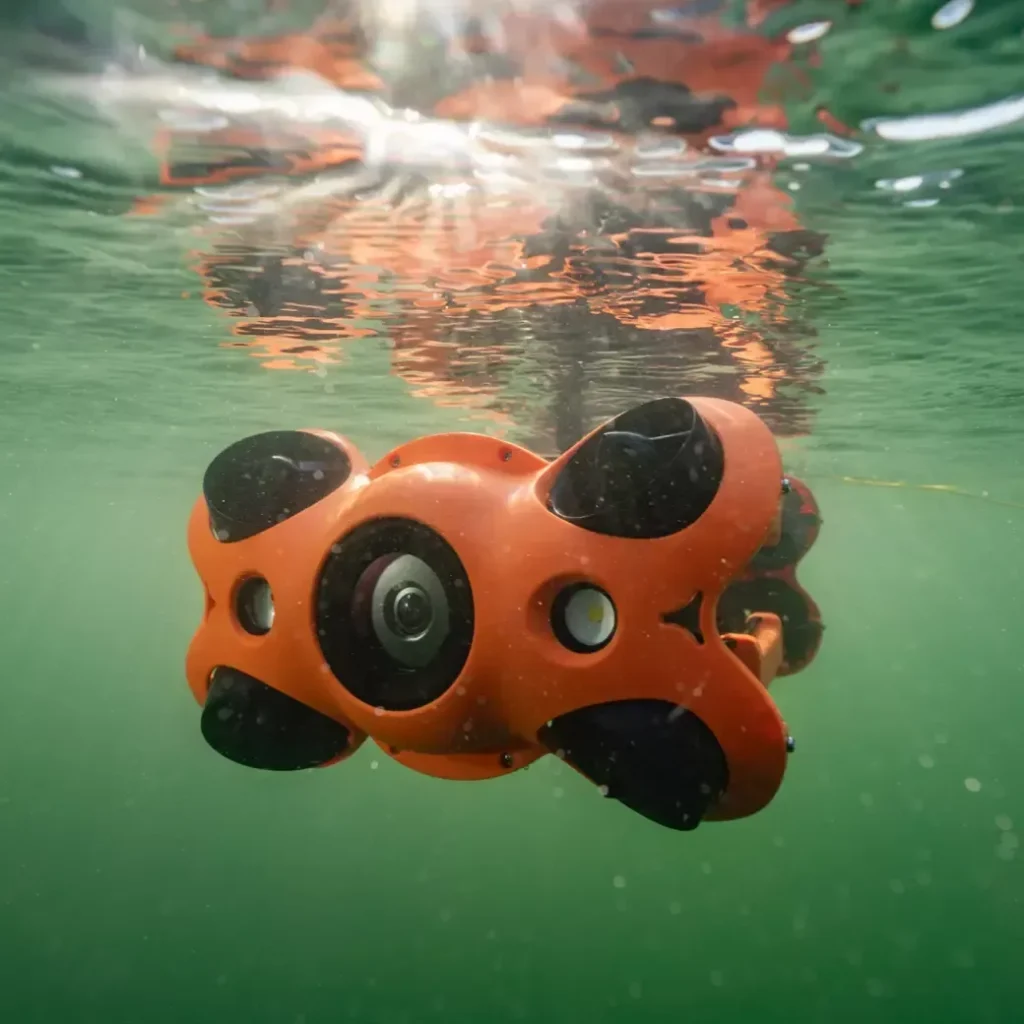
The deep ocean is one of the least explored environments on Earth. Scientists use underwater drones to:
Study coral reefs and seabeds
Observe marine life without disturbance
Explore deep sea ecosystems
Discover new species
Because drones can operate longer and reach greater depths than human divers, they provide more consistent and detailed data for research.
Infrastructure Inspection
A significant amount of critical infrastructure lies underwater, including:
Dams and reservoirs
Bridge foundations
Offshore platforms
Pipelines and underwater cables
Underwater drones allow inspectors to visually assess damage, corrosion, or structural issues without deploying divers into risky conditions.
Search and Rescue Operations
During emergencies such as floods or accidents, time is critical. Underwater drones help rescue teams:
Search for submerged vehicles or objects
Operate in low visibility conditions
Reduce risk to rescue divers
Many models also support sonar, making them effective even in murky or dark waters.
Aquaculture and Fisheries
Fish farms and fisheries use underwater drones to:
Inspect cages and nets for damage
Monitor fish health and behavior
Detect predators or intrusions
This improves efficiency, reduces losses, and supports sustainable operations.
Underwater Filmmaking and Photography
Underwater drones have made underwater visuals accessible to a wider audience. Content creators use them to capture:
Coral reefs and marine wildlife
Shipwrecks and submerged structures
Cinematic underwater footage
Modern drones can shoot high resolution video and livestream directly to smartphones or monitors.
Environmental Monitoring and Conservation
Environmental agencies and conservation groups rely on underwater drones to:
Monitor coral bleaching
Track pollution and debris
Study long-term ecosystem changes
They are also used to remove ghost fishing nets and assist in reef restoration efforts.
Defence and Hazardous Environments
In areas where human safety is at risk such as mine detection, hazardous inspections, or maritime surveillance, underwater systems provide critical visibility while keeping operators safe. Their ability to operate in hostile or restricted environments makes them valuable tools for defense and security operations.
Who Should Use Underwater Drones?
Underwater drones are useful for:
Researchers and scientists
Government and municipal authorities
Port and harbor operators
Industrial inspection teams
Filmmakers and explorers
If your work involves inspection, monitoring, or exploration underwater, these drones can significantly improve safety and efficiency.
Why Underwater Drones Are Still Emerging in India
Despite global adoption, underwater drones are still relatively new in India. This creates opportunities in:
Infrastructure monitoring
Environmental protection
Disaster response
Research and innovation
As awareness increases, underwater drones are expected to play a key role in future underwater operations.
Conclusion
Underwater drones are no longer experimental tools. They are practical, reliable systems that are already transforming underwater work across industries. By improving safety, reducing costs, and delivering valuable insights, they open new possibilities beneath the surface.
For beginners, understanding underwater drones today means being prepared for the future of underwater exploration and inspection. At Dronevex, we believe the next frontier of drone technology isn’t just in the air it’s underwater.
Explore Underwater Drones at DroneVEX
If you’re interested in learning more about professional underwater drone solutions, you can explore Dronevex’s underwater drone collection to understand available options and applications.