Understanding DGCA drone rules is the first thing every drone owner in India needs to do before their first flight. So you just bought a drone or you are about to. Maybe it is for aerial photography, maybe for your farm, maybe just to have some fun on weekends. Whatever your reason, there is one thing every drone owner in India needs to understand before the first flight: The rules set by the Directorate General of Civil Aviation, better known as the DGCA.
India has one of the most structured and rapidly evolving drone regulatory frameworks in Asia. The rules have been updated multiple times since the landmark Drone Rules, 2021, and with a brand-new Civil Drone Bill drafted in 2025, things are changing again. Fly without knowing these rules and you could face heavy fines, drone confiscation, or even criminal charges.
This guide breaks everything down clearly no legal jargon, no confusion. By the end, you will know exactly what is required for your drone and how to fly legally in India.
Who Regulates Drones in India?
The Directorate General of Civil Aviation (DGCA), under the Ministry of Civil Aviation, is the primary regulatory authority for drone operations in India. All drone related registrations, licenses, permissions, and enforcement fall under their jurisdiction.
The current legal framework is the Drone Rules, 2021, amended in 2022. However, in September 2025, the Ministry of Civil Aviation introduced the draft Civil Drone (Promotion and Regulation) Bill, 2025 a comprehensive new legislation that, once enacted, will replace the existing rules entirely. Until then, the Drone Rules, 2021 remain in force.
All compliance processes happen on one digital platform: the DigitalSky Platform (digitalsky.dgca.gov.in). This is where you register your drone, get your Unique Identification Number (UIN), apply for airspace permissions, and manage your pilot license.

The Five Drone Categories: Which One Is Yours?
The DGCA classifies all drones by their maximum all-up weight (including payload). Your category determines what registration, licensing, and operational requirements apply to you.
- Nano (Under 250 grams): No registration or UIN required. Must follow basic safety guidelines. Examples: DJI Tello (standard version falls near this limit).
- Micro (250 grams to 2 kilograms): Registration on DigitalSky required. UIN must be displayed on the drone. Remote Pilot Certificate required for commercial use.
- Small (2 kg to 25 kg): Full registration and UIN required. Remote Pilot License (RPL) mandatory. DGCA approved training required before flying commercially.
- Medium (25 kg to 150 kg): Same as Small category plus additional operational approvals. Typically used for heavy lift logistics and industrial operations.
- Large (Above 150 kg): Full DGCA approval with special permissions required. Governed by aviation level safety standards.
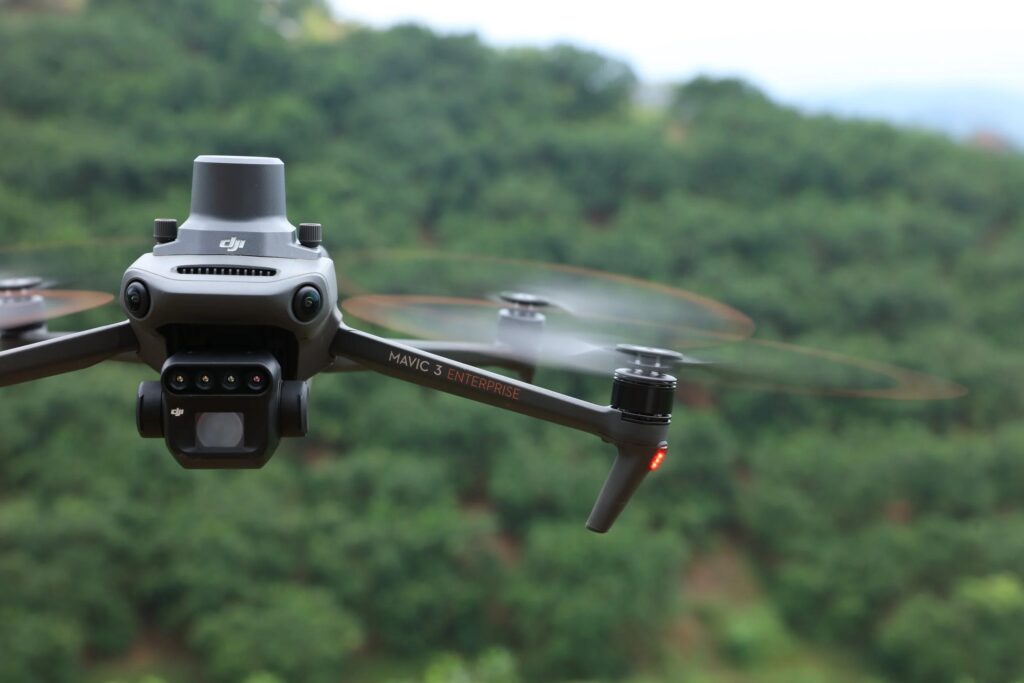
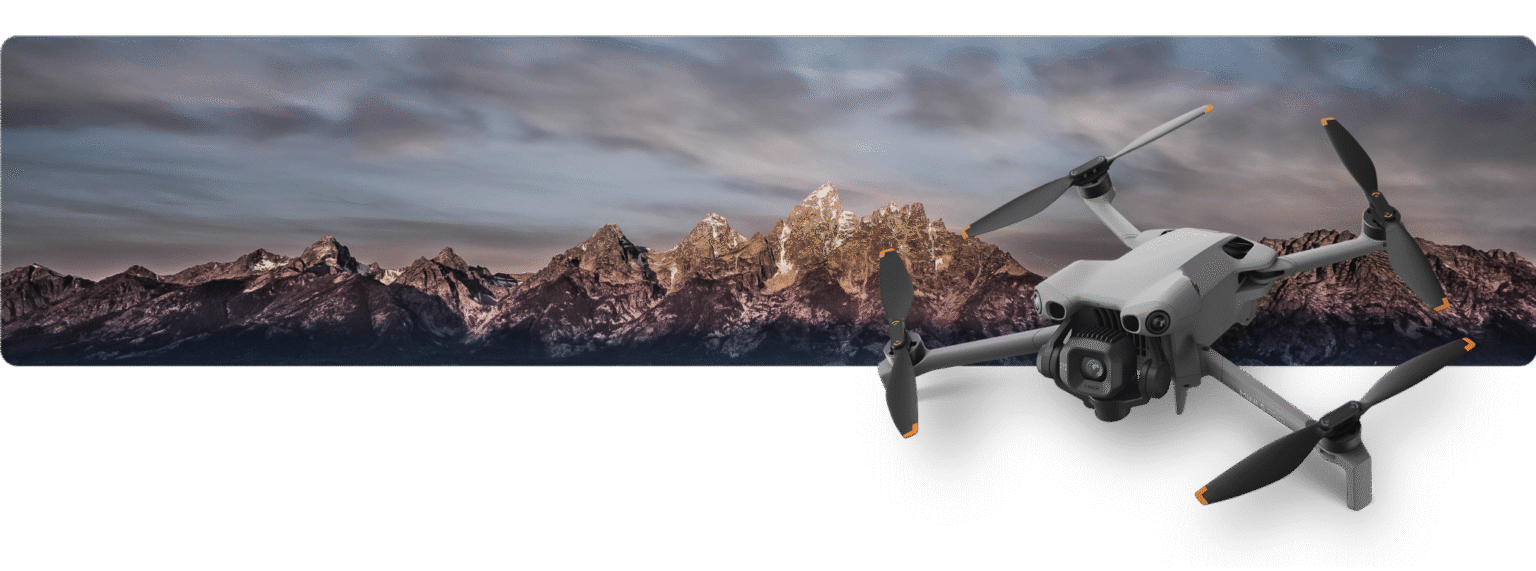
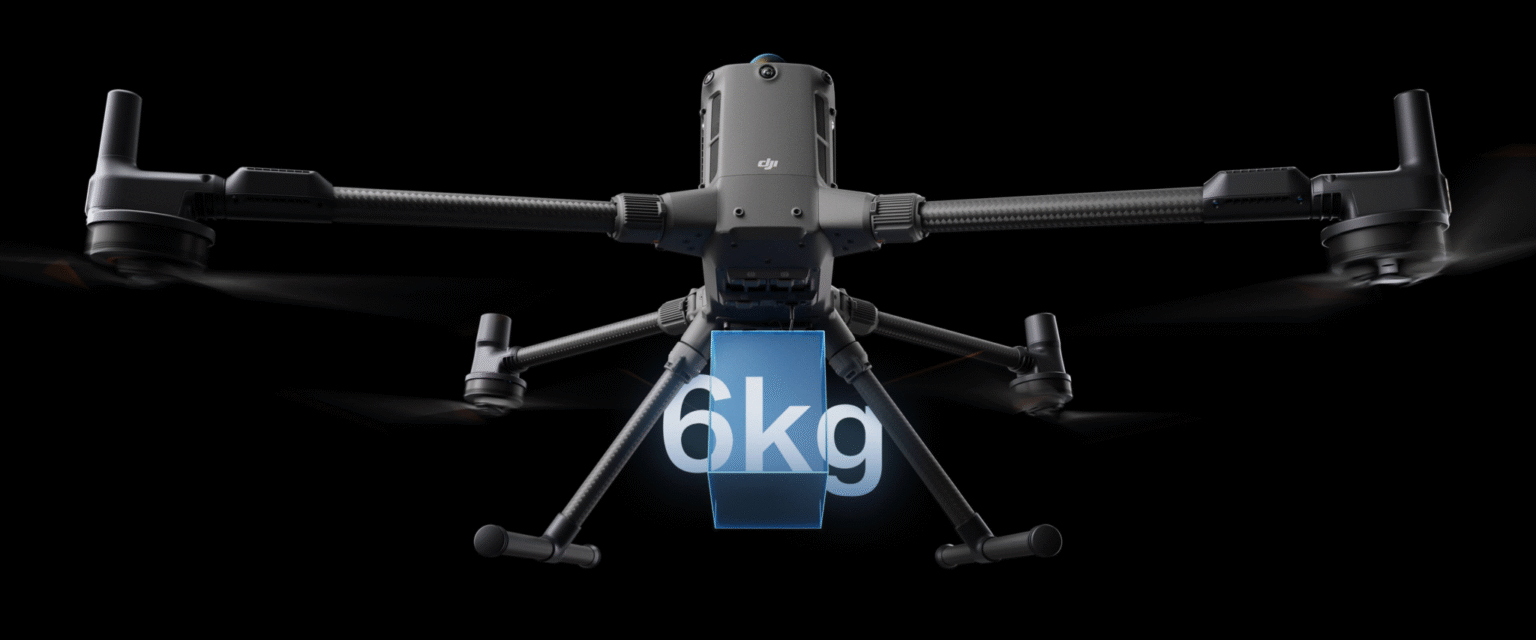
Most consumer drones like the DJI Mini series fall in the Nano or Micro category. Enterprise grade drones like the DJI Matrice 400 or FlyCart 30 fall in the Small to Medium range and require full DGCA compliance.
Step 1: Register Your Drone on the DigitalSky Platform
If your drone is above 250 grams, registration is not optional it is the law. Here is how to do it:
- Visit digitalsky.dgca.gov.in and create an account.
- Submit your drone’s specifications: model, serial number, manufacturer details, and maximum all up weight.
- Upload your identity and address proof (Aadhaar, PAN, or passport).
- Pay the prescribed registration fee.
- Receive your Unique Identification Number (UIN), which must be physically marked on your drone.
Flying without a valid UIN is a punishable offense. Authorities can confiscate your drone and impose fines. Under the proposed 2025 Bill, non-compliance penalties could go up to Rs. 1 lakh, so do not skip this step.

Step 2: Get Your Remote Pilot License or Certificate
There are two levels of pilot credentialing in India, depending on drone weight and purpose:
Remote Pilot Certificate (RPC):
Required for recreational pilots operating drones above 250 grams. Even if you are just flying for fun, you cannot legally fly above 250 grams without a Remote Pilot Certificate. This is one of the most commonly misunderstood rules in India.
Remote Pilot License (RPL):
Required for all commercial and professional drone operations where the drone weighs more than 2 kg. To get an RPL:
- Enroll in a DGCA approved drone training organization (DTO).
- Complete theoretical and practical training covering flight operations, safety protocols, airspace rules, and emergency procedures.
- Pass the DGCA examination.
- Receive your RPL through the DigitalSky platform.
Step 3: Understand the Airspace: Green, Yellow, and Red Zones
Not all Indian airspace is open for drone flying. The DGCA divides airspace into three color coded zones that you can check on the DigitalSky map before every flight:
- Green Zone: Free to fly without prior permission for drones up to 400 feet altitude. This covers most open rural and semi urban areas away from restricted zones.
- Yellow Zone: Controlled airspace where you must apply for permission through DigitalSky before flying. Includes areas within a certain radius of airports and sensitive areas.
- Red Zone: Completely restricted airspace. No drone operations permitted without specific government authorization. Covers areas near international borders, military installations, Parliament, and other critical infrastructure.
Always check the DigitalSky interactive airspace map before you fly. Local state governments and city administrations can also impose temporary no-drone orders for events or security situations, so local awareness matters too.

NPNT: No Permission, No Takeoff
India enforces a strict digital permission system called NPNT: No Permission, No Takeoff. This means your drone’s software must be connected to the DigitalSky system, and unless a flight permission is digitally granted, the drone simply will not take off.
NPNT permissions are geo fenced, they are valid only for a specific location, altitude, and time window. If your flight drifts outside those parameters, the system flags a violation. All registered drones sold in India are required to be NPNT-compliant by the manufacturer.
DGCA Drone Rules: General Flying Rules Every Pilot Must Follow
Regardless of your drone category, these operational rules apply at all times:
- Maximum altitude: 120 meters (400 feet) above ground level in permitted zones.
- Always maintain Visual Line of Sight (VLOS): you must be able to see your drone at all times without aids.
- No night flying without special DGCA permission.
- No flying over crowds, populated areas, or public events without authorization.
- No flying within 5 km of airports without permission.
- No dropping or delivering objects without DGCA approval.
- Always carry your UIN and pilot certification documents when flying.
- Maintain third party liability insurance for commercial operations.
The 2025 Civil Drone Bill: What Is Changing?
In September 2025, the Ministry of Civil Aviation released the draft Civil Drone (Promotion and Regulation) Bill, 2025 for public consultation. This proposed legislation, once enacted, will become the primary law governing all civilian drone operations in India. Here is what is new and different:
- Stricter type certification: Every drone model must now receive a DGCA issued type certificate before it can be manufactured, sold, or operated in India with fewer exemptions than before.
- Tougher penalties: Several violations have been criminalized under the new Bill. Police can investigate, detain drones, and make arrests without a magistrate’s order. Fines can go up to Rs. 1 lakh, and serious offenses could result in imprisonment.
- Drone detention powers: Authorities can seize any drone for up to 3 days on mere suspicion of violation, even before guilt is established.
- Expanded liability: The definition of ‘accident’ now includes property damage, not just physical injury.
- Tariff regulation possibility: The Bill gives the government power to regulate the commercial terms of drone services, including fares and fees, a significant shift from the current unregulated market.
The Bill is still in draft form as of early 2026. Existing Drone Rules, 2021 remain enforceable. But drone operators should be aware that stricter compliance is coming, and it is better to build good habits now.
Common Mistakes Indian Drone Pilots Make
Even experienced pilots get tripped up by these:
- Assuming a lightweight drone does not need registration: any drone above 250 grams needs a UIN.
- Thinking recreational flying is exempt from certification: it is not, above 250 grams.
- Not checking the airspace zone before flying in a new city or location.
- Flying near airports without realizing the restricted radius applies.
- Assuming NPNT only applies to commercial drones: it applies to all registered drones.
- Not carrying identity and drone documentation on the person during flights.
Quick Reference Summary
Here is a fast reference for the most important compliance steps:
- Register on DigitalSky (digitalsky.dgca.gov.in) if your drone weighs over 250 grams.
- Get your UIN and mark it physically on the drone.
- Obtain a Remote Pilot Certificate (recreational) or Remote Pilot License (commercial, above 2 kg).
- Always check the airspace zone map before flying.
- Follow NPNT: your drone must have digital permission before takeoff.
- Stay at or below 120 meters and maintain line of sight.
- No night flying unless you have special permission.
- Keep updated as the new Civil Drone Bill progresses through legislation.
Final Thoughts
India’s drone regulations exist for good reason, to keep airspace safe, protect people’s privacy, and ensure that the rapidly growing drone industry develops responsibly. The DGCA has actually made compliance relatively straightforward through the DigitalSky platform, and the rules are far less intimidating once you understand them.
Whether you are a first time buyer picking up a consumer drone or a business looking to deploy enterprise grade drones for industrial operations, knowing the rules before you fly is what separates a confident pilot from one who is one viral video away from a regulatory headache.
At Dronevex, we carry a full range of drones from beginner friendly consumer models to DGCA compliant enterprise and agriculture drones built for serious professional use. If you need guidance on which drone is right for your use case and what compliance it involves, our team is happy to help.
Fly smart. Fly legal. Fly with Dronevex.