From Valleys to Peaks: Drone Mountain Logistics in Harsh Terrain
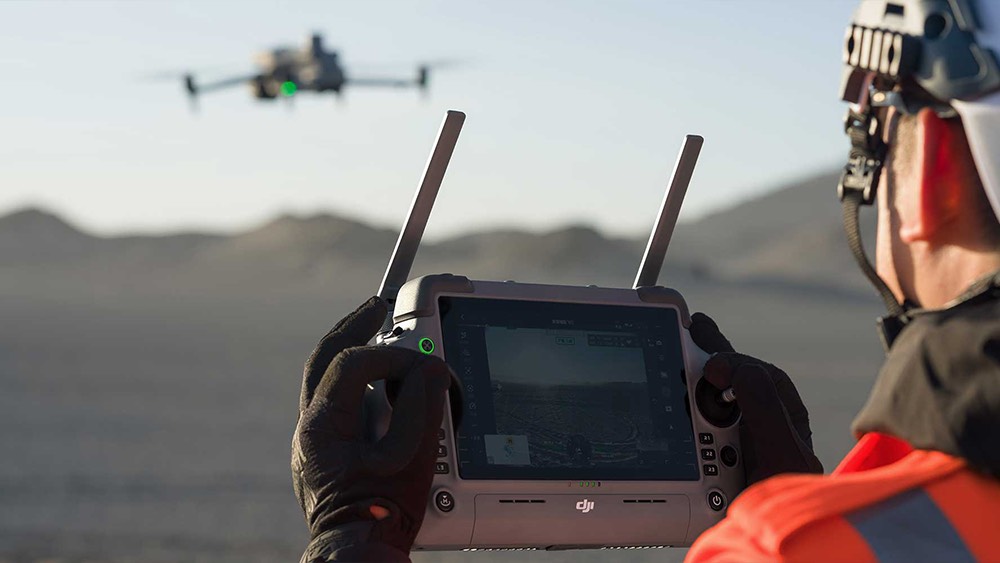
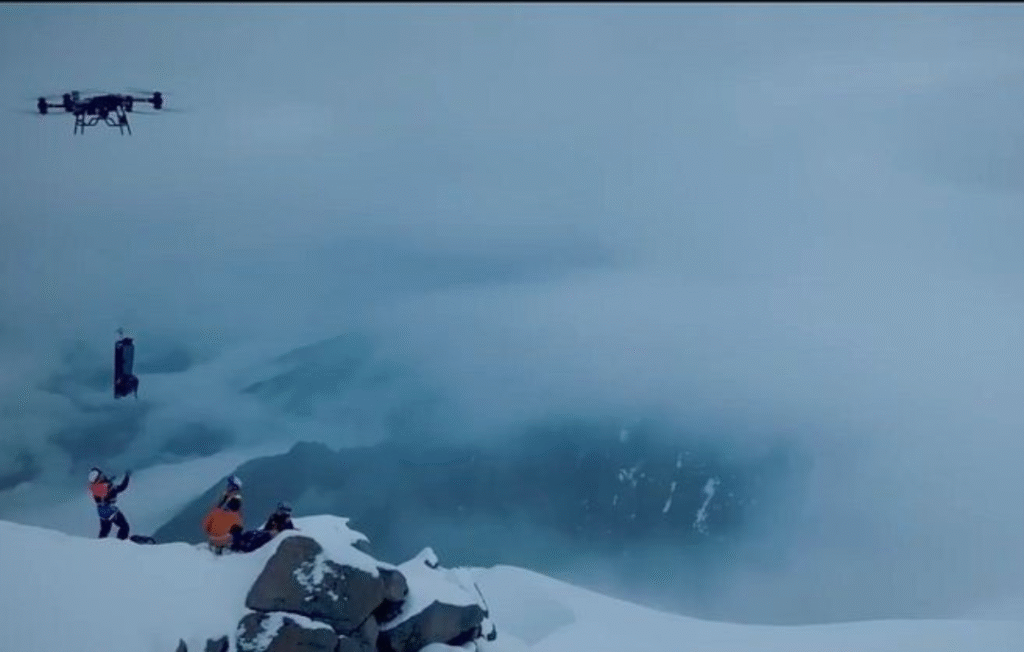
Drone mountain logistics is transforming how supplies, equipment, and even life‑saving gear move across remote, high‑altitude terrain. Instead of relying solely on helicopters, mules, or long, risky climbs, operators can now send cargo drones directly from valley bases to huts, ridgelines, and ice fields. Drone mountain logistics combines long‑range flight, heavy‑lift payloads, and precise navigation to keep rescuers, guides, and communities supplied even when weather, avalanches, or damaged roads block traditional access. For rescue teams in particular, being able to air‑drop ropes, medical kits, or survival gear within minutes can mean the difference between life and death.
What makes drone mountain logistics so powerful is its flexibility. A single aircraft can shuttle between a base and multiple drop points in one shift, delivering everything from warm clothing and batteries to defibrillators and oxygen bottles. Because drones follow pre‑planned routes and can fly in poorer visibility than crewed aircraft, they help maintain a dependable supply line when helicopters are grounded or too expensive to deploy for small loads. At the same time, drone mountain logistics reduces the physical strain on rescuers and porters, who no longer have to carry every kilogram on their backs over steep, exposed ground just to stage an operation.
As the technology matures, drone mountain logistics is set to become a standard component of the alpine support ecosystem rather than a one‑off experiment. Integration with digital mapping, weather data, and incident‑command platforms will allow automated tasking, real‑time tracking, and smarter route selection in changing conditions. Regulators and mountain services are also beginning to shape procedures so drones, helicopters, and ground teams can share airspace safely and predictably. In the long run, drone mountain logistics will not replace human courage or mountain skills, but it will extend them—making it possible to respond faster, carry more of the right gear, and reduce exposure to the most dangerous sections of the mountains.
Why Mountain Logistics Needs Drones
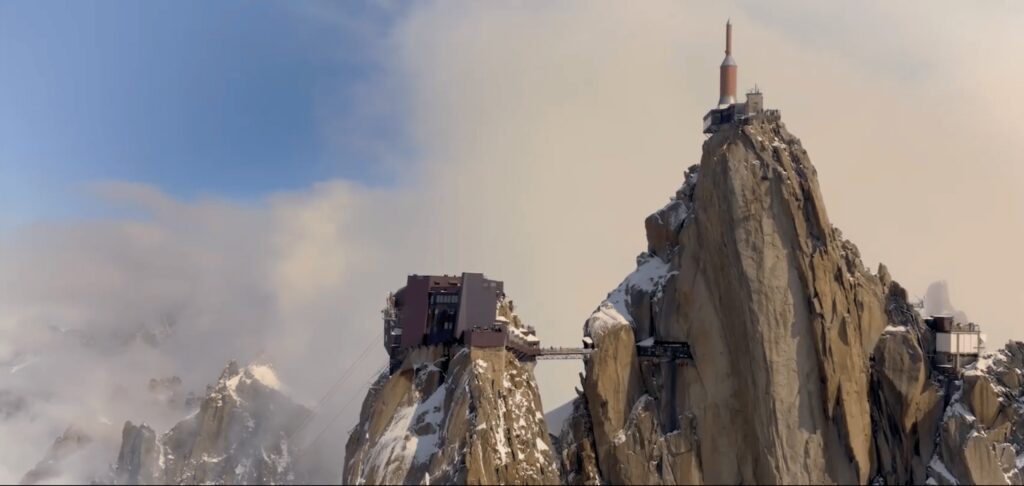
Drone mountain logistics is essential because traditional transport in high-altitude regions is slow, expensive, and often unsafe. Long, exposed approaches, avalanche-prone roads, and weather‑dependent helicopter flights make it hard to move even small loads when and where they are needed. Drone mountain logistics bypasses these constraints, using direct aerial routes to deliver gear and supplies in minutes instead of hours, without building new roads or putting additional vehicles on dangerous tracks.
For remote communities and rescue teams, drone mountain logistics dramatically improves access and reliability. Medical kits, blood products, spare parts, food, fuel can be flown over landslides, flooded valleys, or closed passes, keeping clinics stocked and huts supplied when ground routes fail. At the same time, drones can operate at smaller scales and lower costs than crewed aircraft, making frequent “micro‑deliveries” viable instead of waiting to batch cargo into one large helicopter rotation. This responsiveness is especially valuable in emergencies, where every minute gained increases the chance of survival.
Finally, drone mountain logistics reduces human risk and environmental impact. Porters, guides, and rescuers no longer need to carry every kilogram across seracs, couloirs, or unstable scree just to stage a mission, which lowers fatigue and exposure to falls, rockfall, or avalanches. Electric or hybrid drones also generate fewer emissions than repeated truck or helicopter runs for light cargo, helping sensitive alpine ecosystems. Put together, these advantages explain why drone mountain logistics is moving from pilot projects to a core part of how mountains are supplied, explored, and made safer.
Key Capabilities of Cargo Drones at Altitude
Cargo drones are the backbone of drone mountain logistics because they combine lift, range and robustness in environments that punish conventional vehicles. At altitude, thin air, steep relief and sudden weather changes make every kilogram of payload and every minute of flight time critical. Well‑designed drone mountain logistics relies on aircraft that can fly high, carry meaningful loads, and still maintain stable, precise control for safe drops or winch operations. These capabilities turn drone mountain logistics from a nice experiment into a dependable lifeline for huts, work sites and rescue teams.
High payload capacity
Heavy‑lift cargo drones can move tens of kilograms per flight, making it worthwhile to replace a porter run or complement a helicopter rotation. This allows drone mountain logistics to deliver ropes, medical kits, fuel, batteries, or building materials in useful quantities rather than just symbolic packages.Strong performance at altitude
Propulsion systems, propeller design and power electronics are optimized to generate enough thrust in thin air while maintaining control authority. Reliable performance above ridgelines and glacier basins is essential for drone mountain logistics, ensuring drones can clear terrain and return safely with reserve power.Weather and wind resilience
Cargo platforms for drone mountain logistics are built to operate in cold temperatures, gusty valley winds and light precipitation. De‑icing features, self‑heating batteries and robust flight controllers help maintain stability and navigation when conditions would ground smaller, hobby‑grade drones.Flexible payload handling
Modular systems—cargo boxes, slings, winches or hooks—let the same drone carry rigid containers, irregular loads or lowered packages without landing in dangerous spots. This versatility means drone mountain logistics can serve huts, cliff faces, towers or avalanche-prone slopes using the best delivery mode for each mission.Redundant safety and navigation systems
Multi‑sensor navigation (GNSS, IMU, rangefinders) and redundancies in power, communications and flight control reduce the risk of failure in unforgiving terrain. Integrated safety features such as geofencing, obstacle sensing and emergency parachutes protect both people on the ground and the aircraft, making drone mountain logistics acceptable to regulators and rescue organizations alike.
Mission Planning: Routes, Weather and Airspace Safety
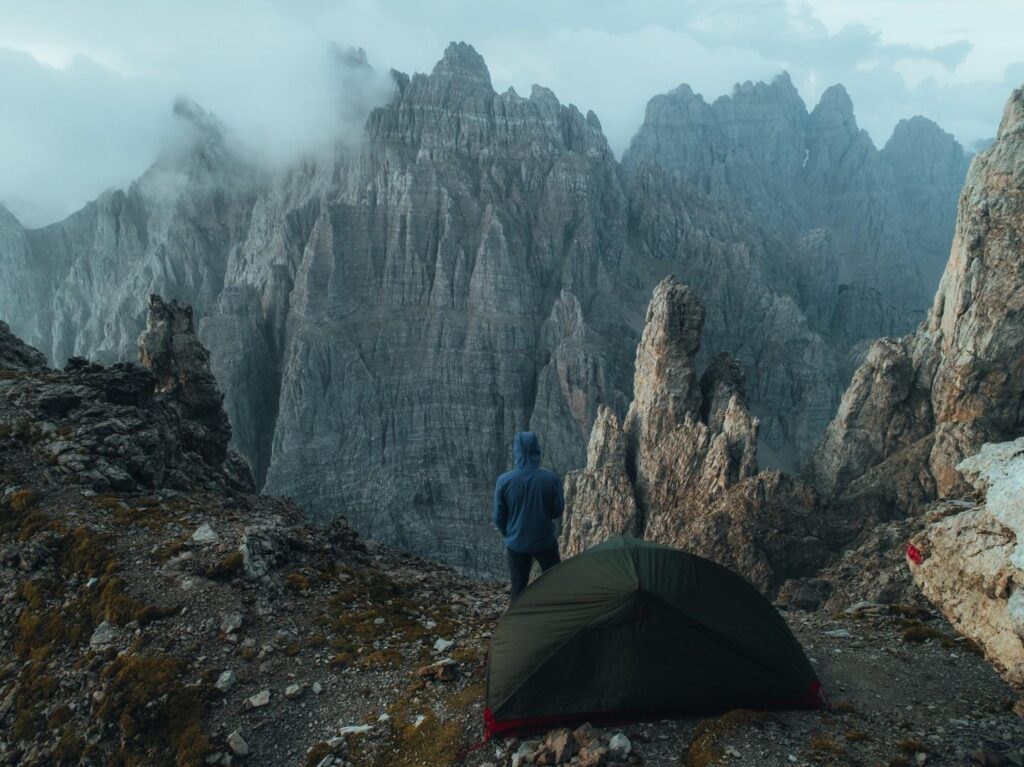
Mission planning is what makes high-risk mountain drone operations safe and repeatable rather than improvised. Every flight begins with a clear route design that accounts for terrain, line‑of‑sight, and energy use: planners choose launch and landing sites with safe approach corridors, set altitudes high enough to clear ridges and cables, and define contingency waypoints or emergency landing zones along the path. In steep terrain this often means following valley lines, avoiding rotor‑wash near climbers or structures, and keeping critical legs of the mission within robust radio coverage, especially when carrying medical or rescue payloads.
Weather assessment is just as important as route geometry. Mountain wind, icing, and cloud build‑up can change quickly, so teams study forecasts, local wind patterns, and live telemetry before committing to a run. Limits for gust speed, visibility, temperature, and precipitation are defined in advance, along with “go/no‑go” and “turn‑back” thresholds so pilots and incident commanders do not have to argue in the moment. Where conditions are marginal, planners may adjust departure times, altitudes, or load weights, or split a mission into several shorter hops to keep battery margins and safety buffers healthy.
Payload Types: Medical, Technical and Survival Gear
Drone mountain logistics becomes truly powerful when cargo drones can carry the right payloads for the mission: medical, technical, and survival gear. In remote valleys and on exposed ridges, drone mountain logistics often focuses first on medical payloads—trauma kits, medications, blood products, AEDs, splints, oxygen and monitoring devices—so responders can stabilize patients long before ground or helicopter evacuation is possible. These same aircraft can run routine medical resupply for clinics or huts, keeping critical drugs and lab samples moving even when roads are blocked by snow, landslides, or floods.
On the technical side, drone mountain logistics supports the people who maintain the high country itself. Drones can lift ropes, bolts, anchors, batteries, tools, small generators, sensors, and communication hardware to towers, huts, weather stations, and work sites so technicians and rescuers do not have to haul everything on their backs. This reduces fatigue and allows more specialist equipment—like advanced radios, drone batteries, or monitoring instruments—to be staged where it is needed without extra climbs. Over time, repeatable technical payload runs turn drone mountain logistics into an invisible but vital backbone for infrastructure in difficult terrain.
Survival gear is the third critical payload family for drone mountain logistics, especially when terrain or conditions delay direct contact with victims. Cargo drones can quickly drop bivouac sacks, insulating layers, hot packs, food, water, headlamps, and locator beacons, buying precious hours for stranded climbers or lost hikers. Even when weather temporarily grounds helicopters, drones can often slip through short windows to deliver these lightweight but life-saving items. By combining medical, technical, and survival payloads in flexible load-outs, drone mountain logistics ensures that every flight carries maximum value for the people working, living, or fighting for survival high in the mountains.
Future Trends in Drone Mountain Logistics
Future trends in drone mountain logistics point toward more autonomy, heavier payloads, and tighter integration with wider rescue and supply chains. As onboard computing and sensors improve, drone mountain logistics will increasingly rely on semi‑autonomous flights that can reroute around sudden clouds, turbulence, or avalanche activity with minimal operator input. This will make routine hut resupply, infrastructure service, and emergency drops more reliable, even in the short weather windows that often define work in high mountains.
Another major direction is the expansion of networked fleets and shared platforms for drone mountain logistics. Instead of one-off aircraft owned by a single organization, regional operators, rescue services, and utilities are likely to share standardized cargo drones, charging points, and cloud platforms that coordinate missions across valleys and borders. In such systems, drone mountain logistics becomes a service layer: requests for gear or medical supplies are automatically matched to the nearest available aircraft, with route planning, airspace deconfliction, and documentation handled in the background.
Finally, regulatory frameworks and sustainable design will shape how far drone mountain logistics can go. Authorities are already experimenting with beyond-visual-line-of-sight corridors, joint procedures for helicopters and drones, and certification standards for heavy-lift operations in complex terrain. At the same time, quieter, more energy‑efficient propulsion and recyclable airframes will reduce the environmental footprint of repeated flights in sensitive alpine ecosystems. As these elements mature together, drone mountain logistics is set to move from headline-grabbing trials to an everyday, largely invisible infrastructure that keeps mountain communities supplied and rescue teams better equipped to save lives.