The first time most people see a quadruped robot in action, their reaction is somewhere between amazed and slightly unsettled. Watching a four-legged machine climb stairs, recover from being pushed, or trot across rough terrain does something to you. It doesn’t look like a machine, it looks alive.
But once you get past the novelty of it, the more interesting question is: What can these robots actually do? And more importantly, are they ready for real work?
The short answer is yes, and they’re already doing it across industries that most people wouldn’t expect. This guide breaks down what quadruped robots are, how they work, and where they’re being used right now.
So What Exactly Is a Quadruped Robot?
A quadruped robot is a legged robot that moves on four limbs, similar to how a dog or a horse walks. Unlike wheeled robots that need a flat, smooth surface, or tracked robots that are bulky and slow, quadruped robots are built to handle the kind of terrain that machines have traditionally struggled with.
Stairs, gravel, mud, slopes, rubble surfaces that would stop a wheeled robot in its tracks are things a well designed quadruped robot takes in its stride. That mobility is the core reason the technology has become so valuable for real world applications.
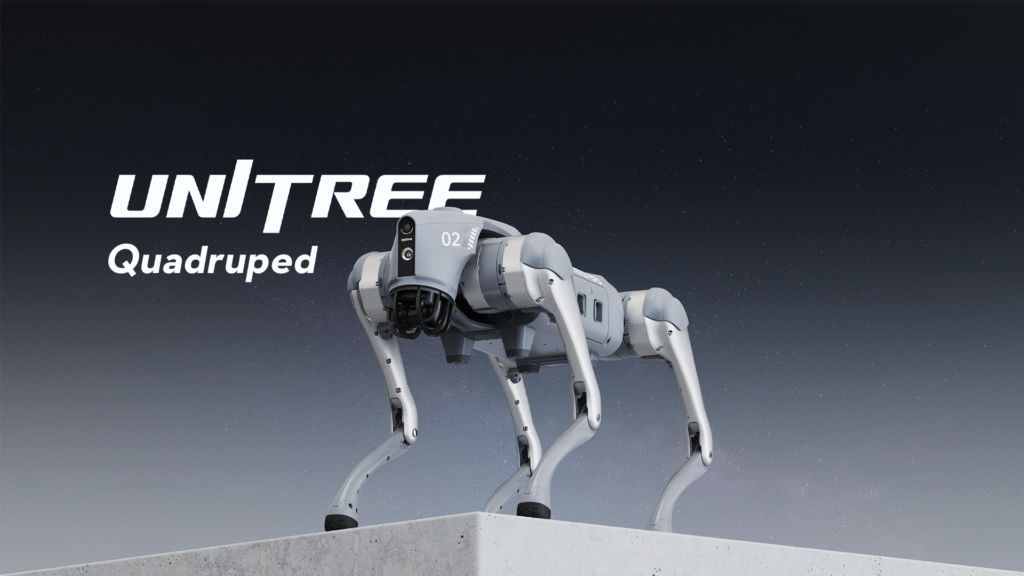
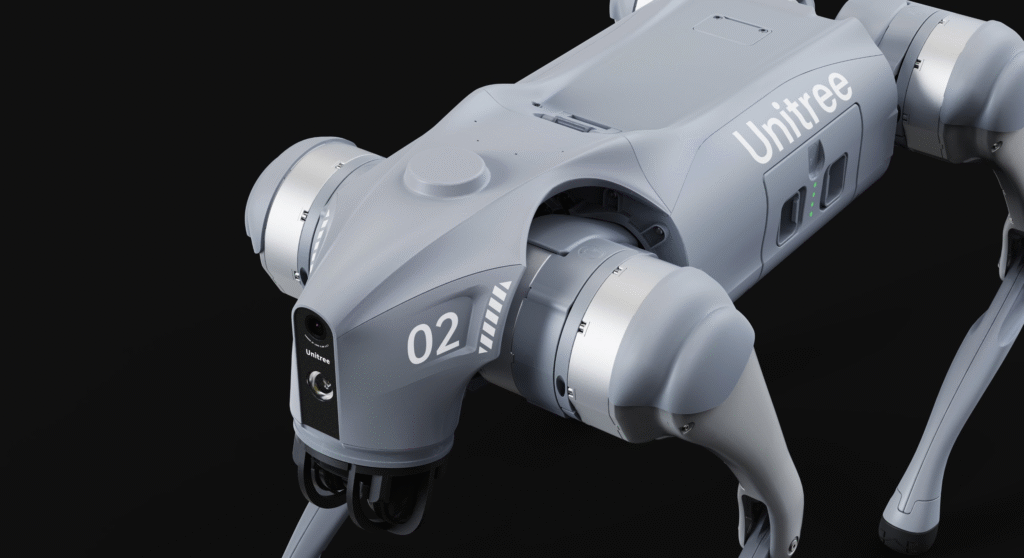
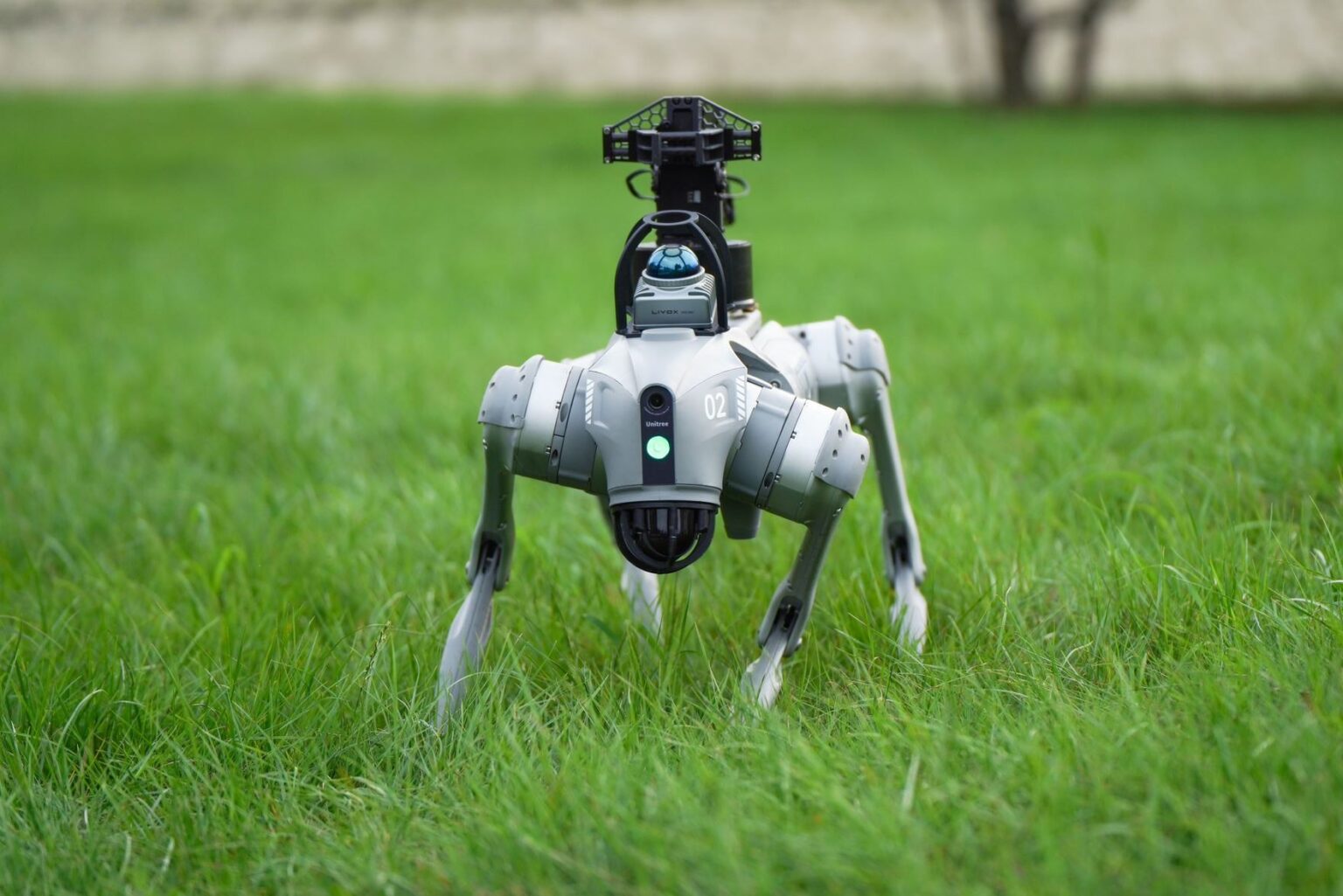
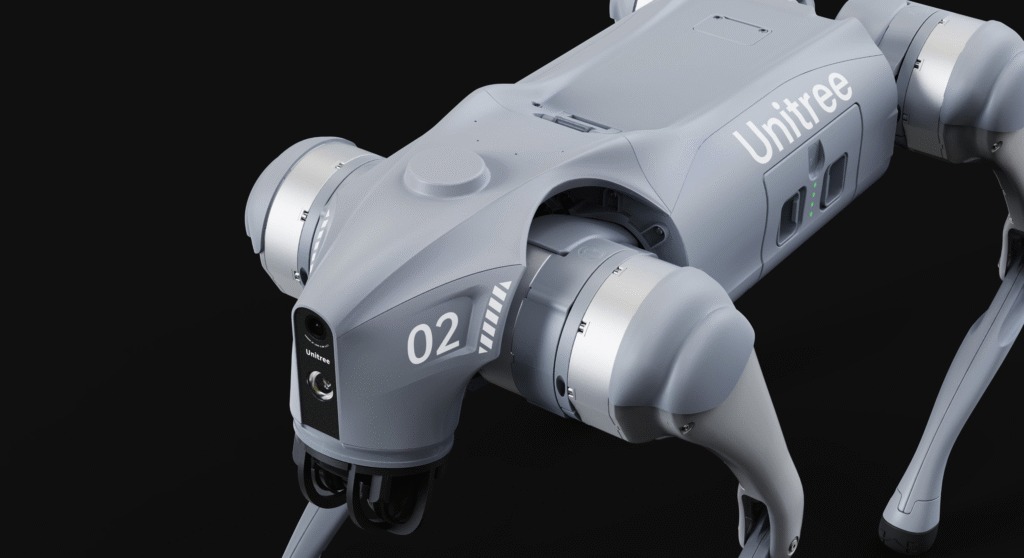
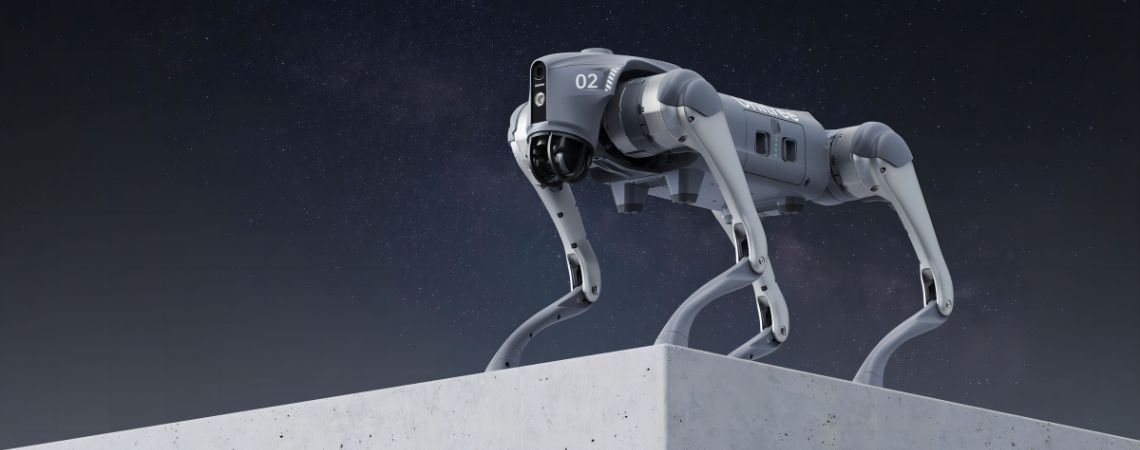
Modern quadruped robots like the Unitree Go2 and B2 series are also equipped with sensors, cameras, and AI powered software that allows them to map their environment, avoid obstacles, and even respond to commands autonomously. They’re not just walking, they’re perceiving and reacting to the world around them in real time.
That combination of mobility and intelligence is what makes quadruped robots genuinely useful not just impressive.
How Do They Actually Move?
This is where things get interesting from an engineering standpoint. Keeping a four legged robot stable while it moves is genuinely hard. Animals do it instinctively after years of learning. Teaching a machine to do the same thing requires a lot of computing power, clever algorithms, and well designed joints.
Quadruped robots use a combination of sensors accelerometers, gyroscopes, depth cameras, and LiDAR to constantly understand where they are, what the ground beneath them is doing, and how to adjust their movement to stay balanced. When one leg slips or hits an unexpected obstacle, the robot recalculates and compensates almost instantly.
Advanced models can also learn and improve their gait over time using machine learning, meaning they get better at navigating specific environments the more they’re used in them. It’s the kind of capability that sounds futuristic but is already working in the field today.
Where Are They Being Used Right Now?
This is the part that surprises most people. Quadruped robots aren’t just being tested in labs or shown off at tech conferences. They’re already deployed in real environments doing real work. Here’s where:
Industrial Inspection
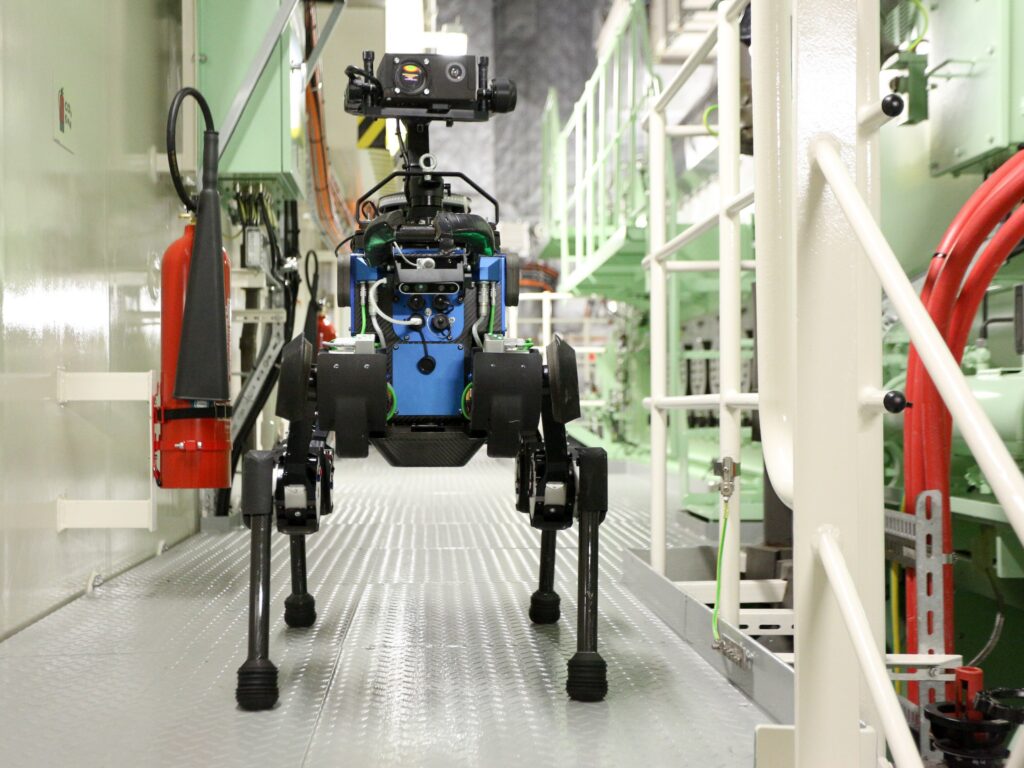
Oil refineries, chemical plants, power stations, and manufacturing facilities are full of equipment that needs to be inspected regularly pipes, valves, pressure gauges, structural supports. A lot of this equipment is in tight, hazardous, or hard to reach areas that aren’t safe for people to access routinely.
Quadruped robots can navigate these spaces, carry inspection cameras and sensors, and transmit live data back to engineers without putting anyone at risk. Some facilities are already running automated inspection rounds using robots like the Unitree B2, with the robot following a set route and flagging anomalies for human review.
Construction and Site Monitoring
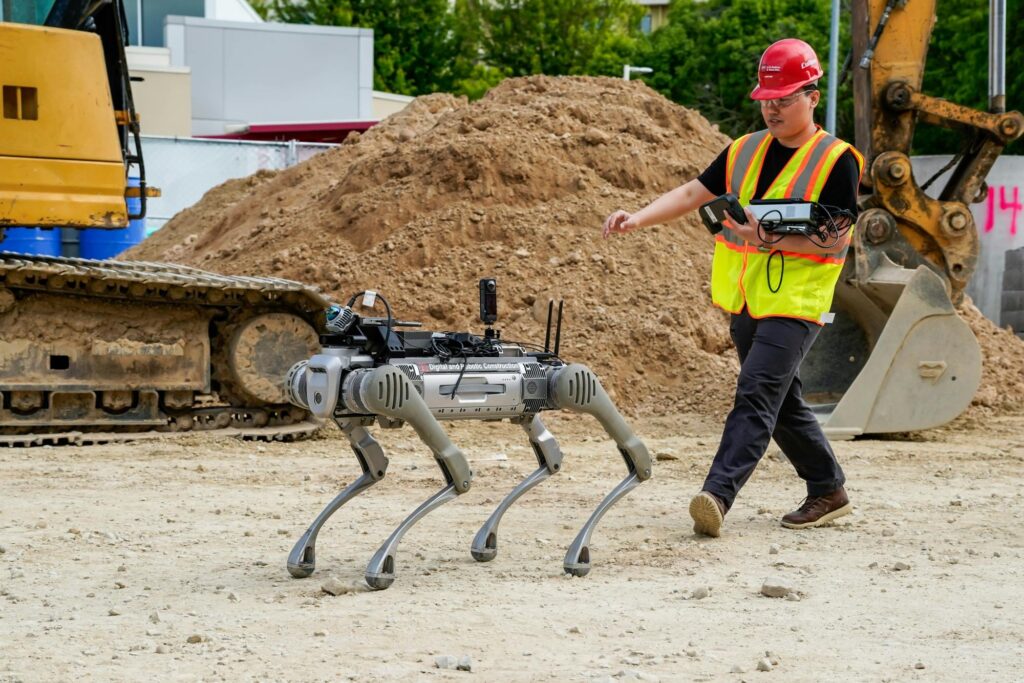
Construction sites are messy, constantly changing environments exactly the kind of terrain quadruped robots handle well.
They’re being used to do progress monitoring, safety checks, and site documentation, walking through areas that would be difficult or time consuming for a human to reach.
Combined with 3D mapping capabilities, they can generate detailed records of a site’s status at any point in time.
Security and Surveillance
Large sites like warehouses, ports, data center’s, and military bases are increasingly using quadruped robots for patrol and perimeter monitoring. Unlike fixed cameras that only see what’s in front of them, a patrolling robot can cover ground, respond to alerts, and get closer to something unusual for a better look. They can operate at night, in low visibility, and without getting tired which makes them a genuinely useful addition to a security setup rather than just a gimmick.
Search and Rescue
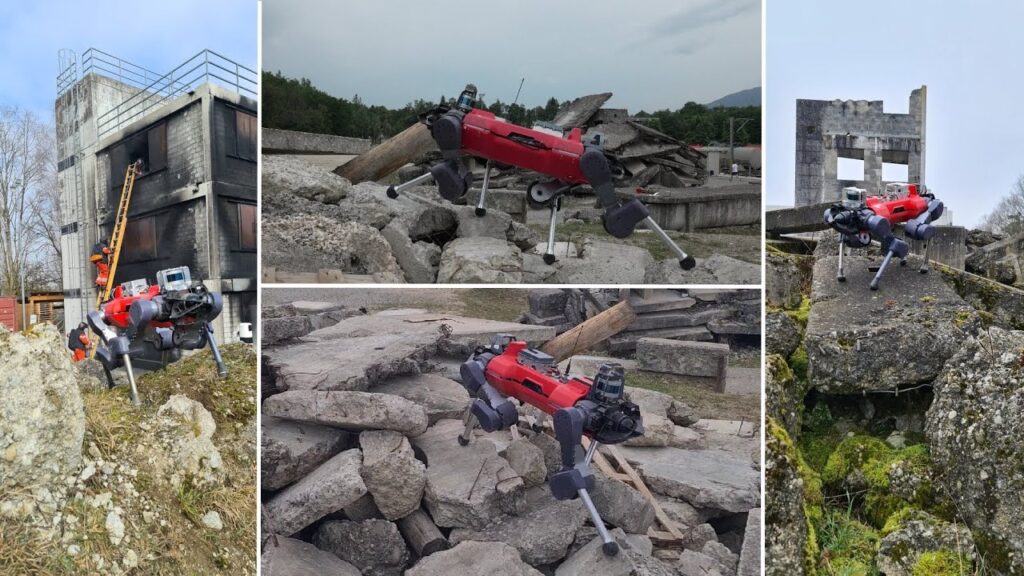
After earthquakes, building collapses, or other disasters, getting people into the affected area quickly and safely is one of the hardest challenges rescue teams face. Quadruped robots can enter collapsed structures, navigate rubble, and use thermal cameras to detect survivors in situations where it would be too dangerous to send people in first. This application is still developing, but it’s one of the most compelling use cases for the technology.
Research and Education
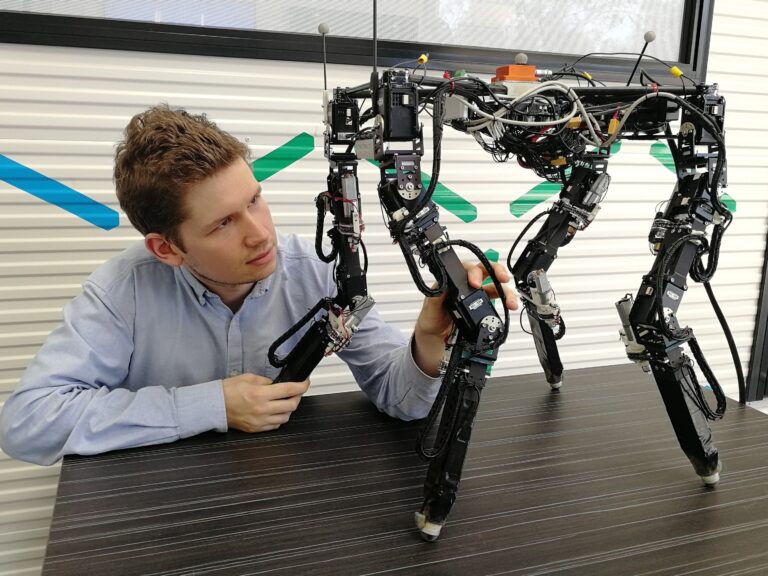
Universities, robotics labs, and research institutions use quadruped robots extensively for studying locomotion, AI development, and human robot interaction.
Models like the Unitree Go2 have become popular in this space because they offer a capable, programmable platform at a price point that makes them accessible for academic use.
If you’re working in robotics research or running a technical program, these robots provide a hands-on platform that’s hard to replicate any other way.
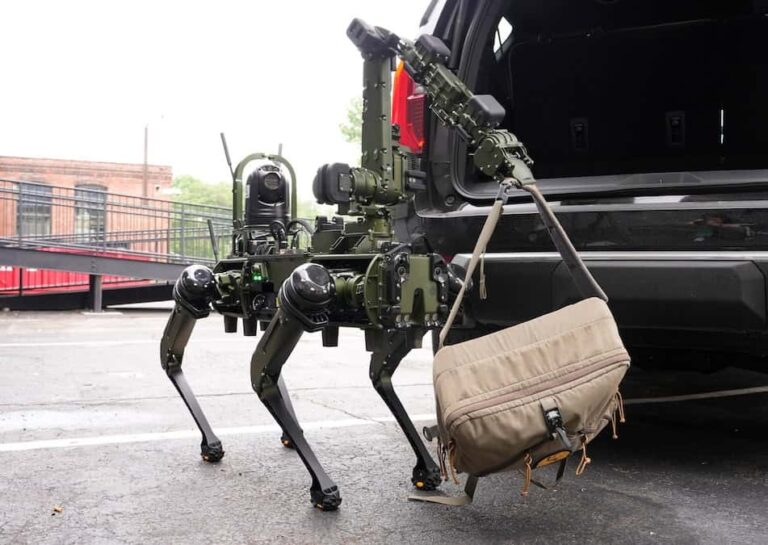
Defense and Hazardous Environments
In environments where the risk to human life is simply too high bomb disposal, chemical spill assessment, or reconnaissance in hostile terrain quadruped robots can operate where people cannot. Their ability to navigate complex terrain makes them particularly well suited for outdoor environments that wheeled or tracked robots struggle with.
Equipped with cameras, sensors, and communication systems, these robots can provide real-time situational awareness while keeping human operators at a safe distance. They can enter confined spaces, unstable structures, or contaminated zones to gather critical information, support decision-making, and reduce exposure to life-threatening conditions.
What Makes a Good Quadruped Robot?
If you’re considering a quadruped robot for your organization, here are the things worth evaluating:
- Terrain capability: How well does it handle stairs, slopes, uneven ground, and outdoor surfaces? This varies significantly between models.
- Payload capacity: What sensors, cameras, or equipment can it carry? Make sure it can support the tools you need for your specific application.
- Battery life and range: How long can it operate on a single charge, and how far can it travel? For industrial inspection rounds, this matters a lot.
- Autonomy and programmability: Can it follow a set route autonomously? Is it programmable for custom tasks? Does it support third party software integration?
- Durability: Is it rated for outdoor use? Can it handle rain, dust, and temperature extremes relevant to your environment?
The Unitree Range at DroneVEX
At Dronevex, we carry the Unitree quadruped robot range, one of the most capable and widely used lineups available today. Whether you’re looking for a research grade platform, a professional inspection robot, or a high performance system for demanding field operations, there’s a model in the Unitree range that fits.
- Unitree Go2: A compact, intelligent robot dog designed for research, education, and light professional applications. It’s programmable, highly capable, and a great starting point for organizations exploring quadruped robotics.
- Unitree B2: A heavy duty, industry grade quadruped built for serious professional use. It carries more payload, operates in harsher conditions, and is designed for the kind of daily operational use that industrial environments demand.
Is This Technology Ready for Your Organisation?
A few years ago, the honest answer to that question would have been “not quite yet.” Today, the answer is different. Quadruped robots have moved from research projects to working deployments. The technology is reliable enough for real operations, and the use cases are clear enough that organizations across industries are committing to them seriously.
They’re not going to replace people in every situation and they’re not designed to. But for inspection tasks, hazardous environments, remote monitoring, and situations where getting a human in safely is genuinely difficult, quadruped robots are already proving their value.
If you’re curious about how quadruped robots could fit into your operation, our team at Dronevex is happy to walk you through the options. We work with organizations across industries and can help you figure out whether the technology makes sense for your specific situation and if it does, which system is the right fit.
Explore the full Unitree robot range at dronevex.in or get in touch with us directly.